
The recent exhibition of books on and from North Africa in the UL brought together a fascinating selection of volumes on textiles. In putting the display together, Irene Fabry-Tehranchi kindly considered my interest in the topic. The fact that I teach on the (Un)clothed body module for the MMLL comparative paper CS5: The Body means that I am always looking for material that resonates with this subject area. My research in North African literature has always involved consideration of the ways in which social customs, including dress, are represented in literature, thought and art on or from the region.
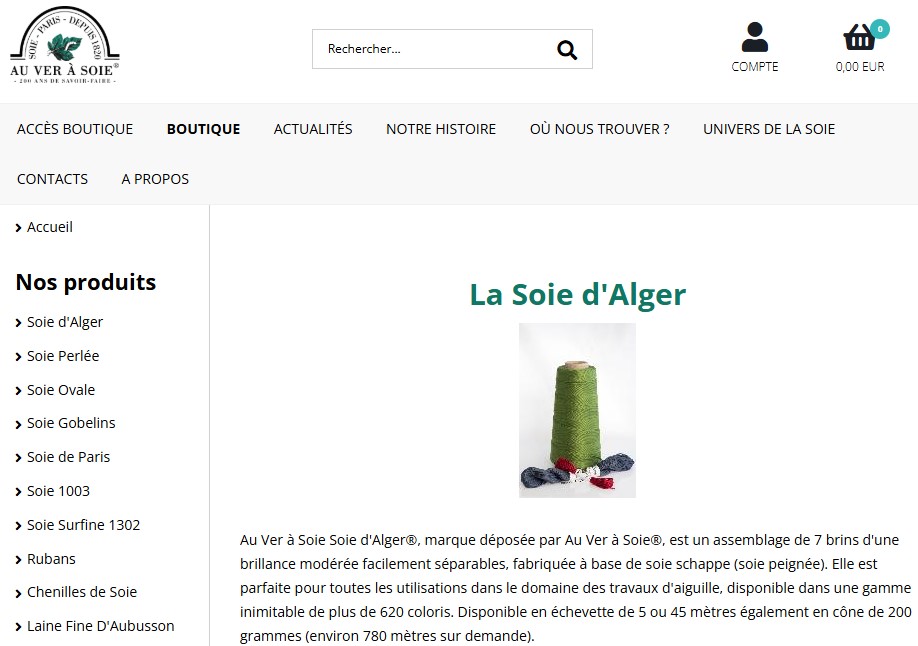
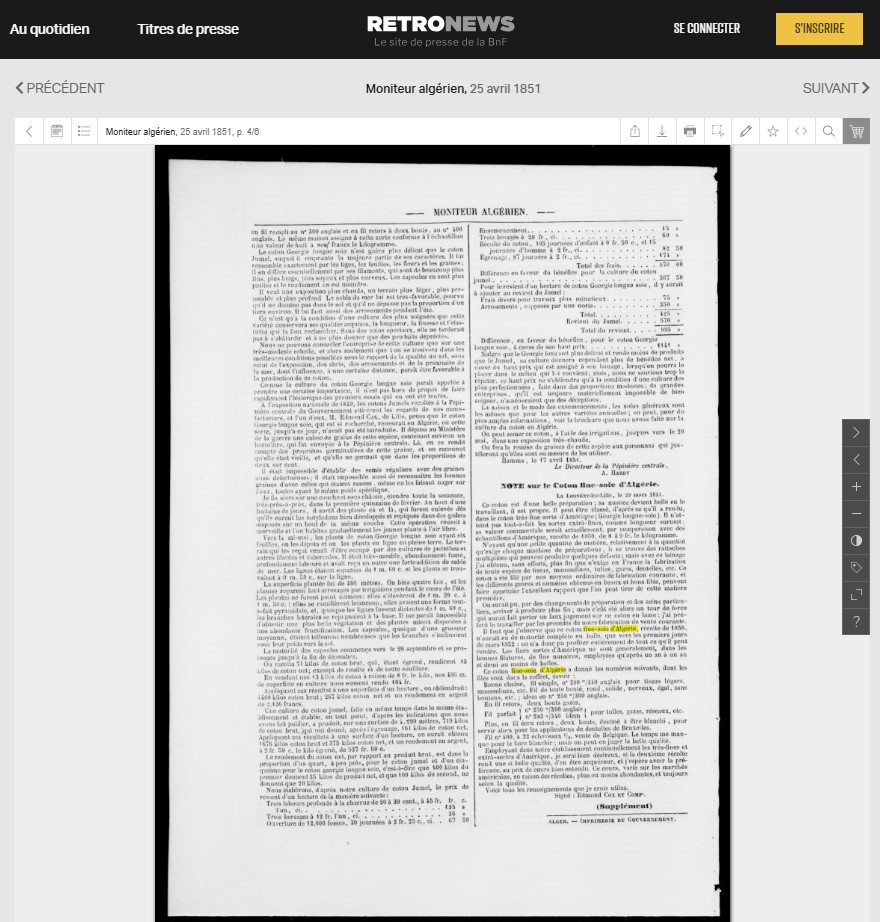
In addition to this, I am a keen amateur embroiderer and on a trip to Paris in recent years I discovered a silk embroidery floss called ‘soie d’Alger’ (Algiers silk), considered one of the finest silk embroidery threads available, produced by the family-owned firm Au ver à soie. Their website suggests that there is no connection between this stranded embroidery floss and the city of Algiers. The silk itself is imported from China, and the name ‘soie d’Alger’ is believed to be related to the process of spinning the stranded silk. But I am reluctant to accept this lack of geo-political connection without some investigation. Irene has pointed me in the direction of French press database Retronews and highlighted several articles on the French production of silk in Algeria under French rule. She also sourced a number of colonial exhibition catalogues and agricultural reports from the 19th and 20th centuries containing information on the production of fibres including silk, wool and cotton in French Algeria.
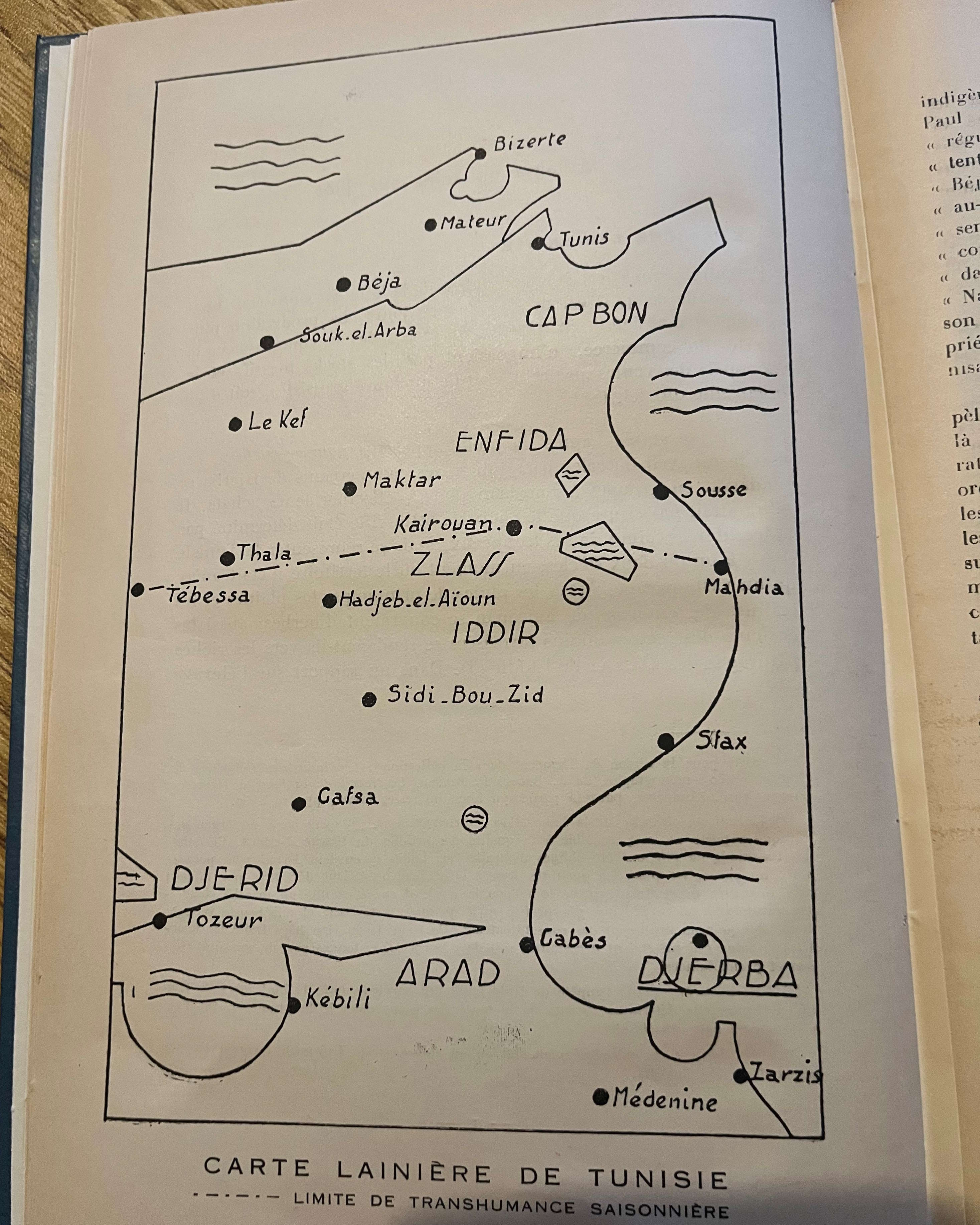 The library holds a range of works across its Moh and main collections dating from the first half of the 20th century which combine sociological and economic information about textile production in Algeria and Tunisia. These focus mostly on wool and silk and offer technical information alongside details of social practices in weaving communities. Maps such as this ‘carte lainière de Tunisie’ from Les femmes et la laine à Djerba by Mme et J.L Combès (Tunis, 9640.b.28) present regional distribution of wool production.


The text also transcribes, transliterates and translates the Arabic songs of textile workers. Les vêtements de soie fine: au sujet d’Oran et de la Péninsule Espagnole (1903) from the Moh collection features a poetic ode to silk by the Algerian poet Cheikh Mohammed Abou-Ras En-Nasri, translated into French by le Général G. Faure Biguet (Alger, Moh.340.c.24).


The 1913 account of wool production in Tlemcen, Le Travail de la laine à Tlemcen, by A. Bel and P. Ricard contains a detailed glossary of Arabic textile terms (Alger : A. Jourdan, 433.c.91.39).


Lucien Golvin’s Les tissages décorés d’El-Djem et de Djebeniana: Étude de Sociologie Tunisienne (1949) contains colour plates bearing a range of weaving motifs (Tunis : Impr. Bascone & Muscat, S401:85.b.9.19).
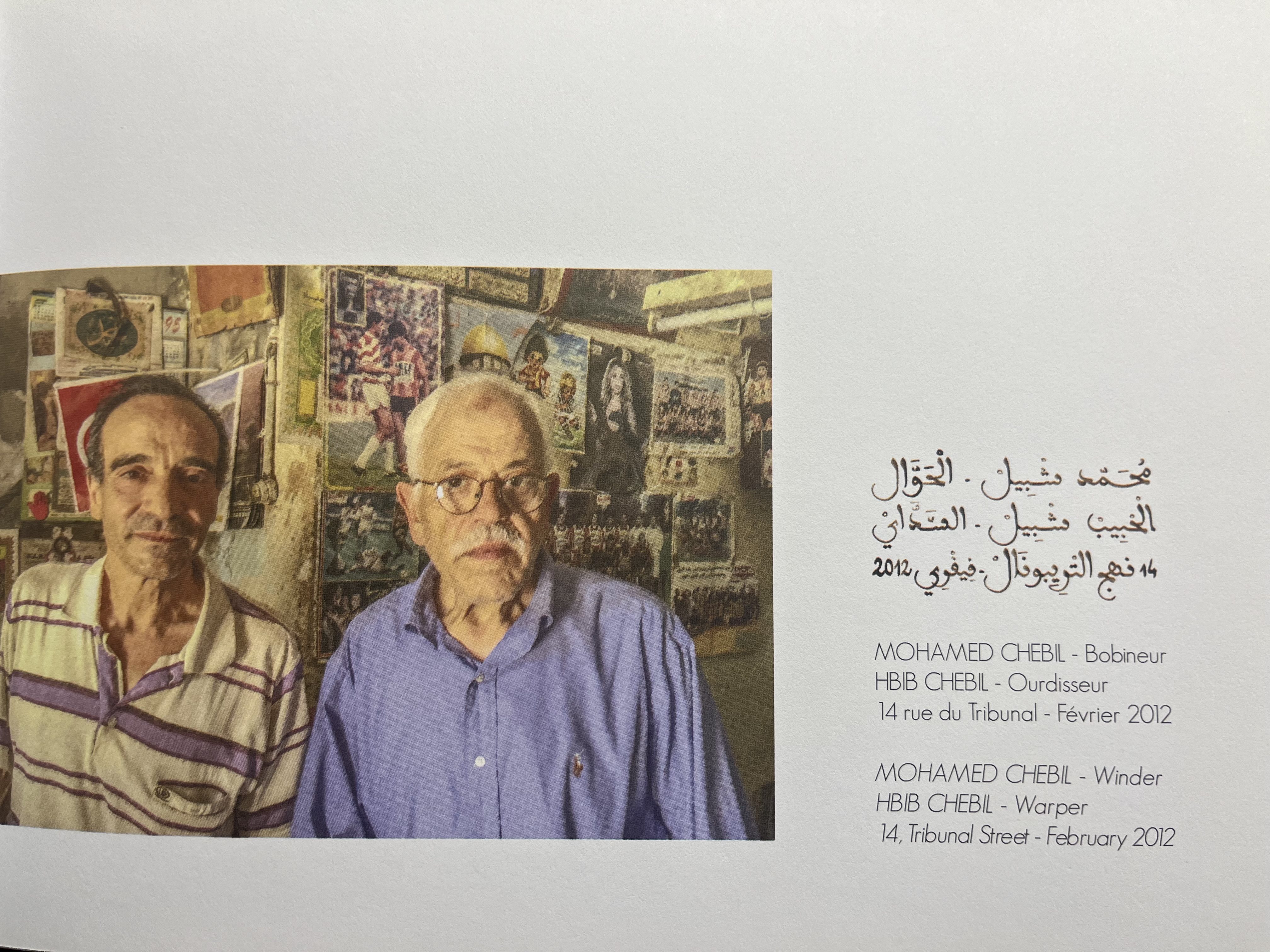
More recent books on textiles chart the move away from French production, record keeping and social investigation towards social stories emerging from contemporary cultural institutions in North Africa. The trilingual text Noùl=Nawl: les soyeux de Tunis (2018) by Sonia Khallel offers photographic snapshots of the country’s silk weavers captioned in Arabic, English and French (Tunis : Sud Éditions, S950.a.201.7531).
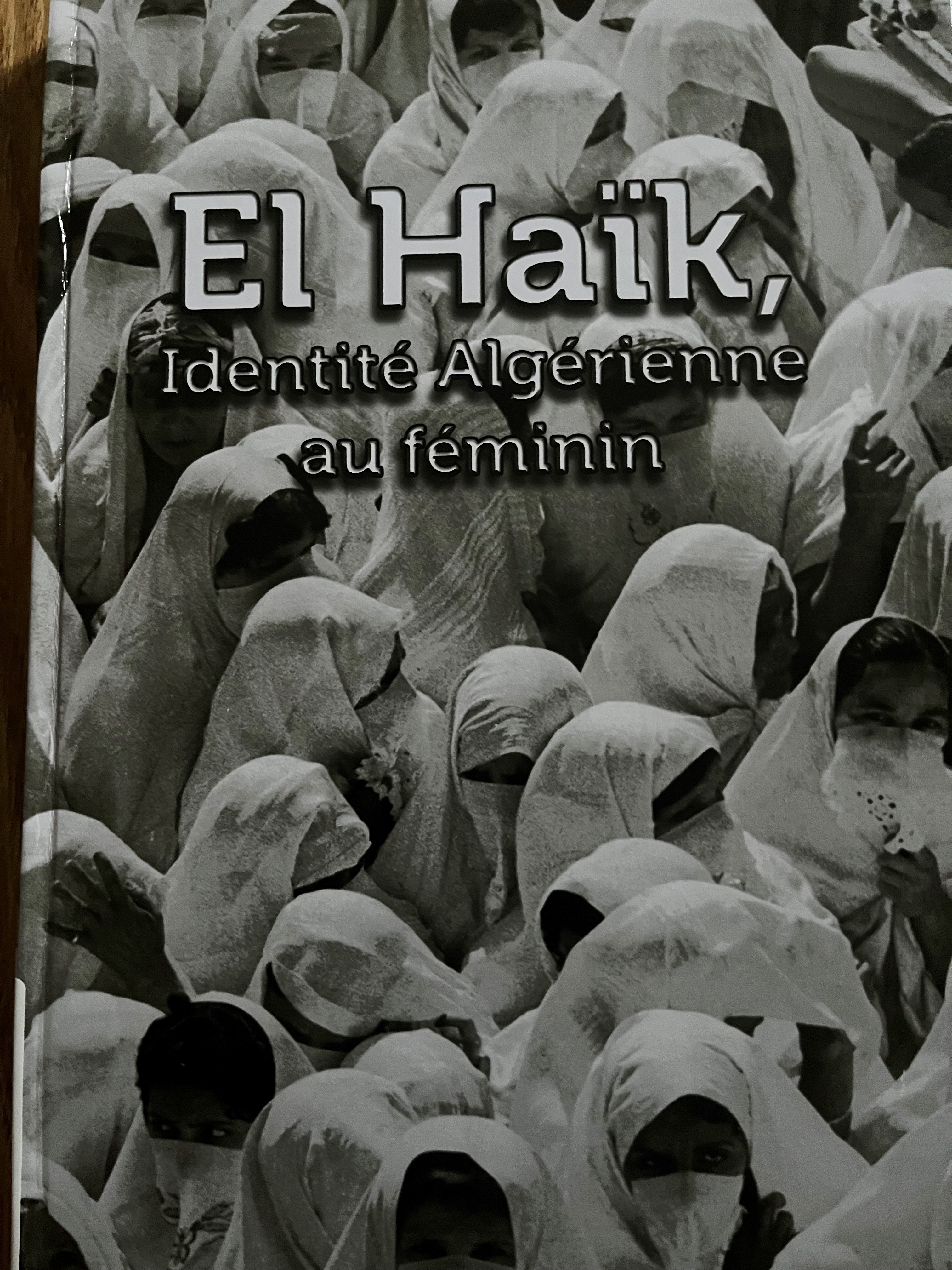 An Algerian text, El Haïk, Identité algérienne au féminin (Alger : Musée national du Bardo, C202.b.2004) opens with the powerfully titled chapter ‘La revendication de soie.’ Written by Algerian sociologist Fatma Oussesdik, the title plays on the homonymy of the terms soi/soie (self/silk), highlighting the fact that a reclamation of the story of silk production and of the traditional Algerian haik garment is an empowering act of self-representation. The text is an exhibition catalogue that accompanied a 2015 exhibition at the Bardo National Museum.
Reclaiming this story is an act of epistemic ownership that pushes back against a long-standing French tradition of understanding and representing the haik on French terms. Frantz Fanon explores the French fixation with the haik in his 1959 essay ‘L’Agérie se dévoile’ in L’An V de la révolution algérienne (Paris : Maspero, 9640.d.302 and online).
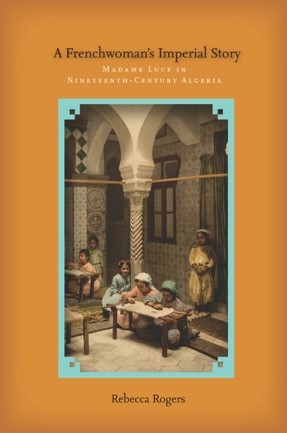 Rebecca Rogers’s intellectual, historical biography, An Imperial French Woman’s Story: Madame Luce in Nineteenth Century Algeria (2013) offers an illuminating account of an educational project which sought to teach embroidery to girls in Algeria in the 19th century (Stanford University Press, 240:2.c201.364 and online). The book is fascinating both for the history it explores and in its self-reflexive discussion on research methodologies employed by the author.
Overall, this is a rich and eclectic range offering insight not only into textile histories but their political value and the ways in which these have been researched and represented through changing times.
Sura Qadiri (Dawson Assistant Professor of French, St Catharine’s College)
 Languages across Borders