
The University Library has received a new collection of books and archives, the Monte San Martino Trust collection. Somewhat unusually in terms of what the Department of Collections & Academic Liaison normally deals with, these items came to the UL not as a donation but as a deposit, meaning the Library looks after them but they still belong to the Trust. The books can nevertheless be ordered and seen by readers as usual.
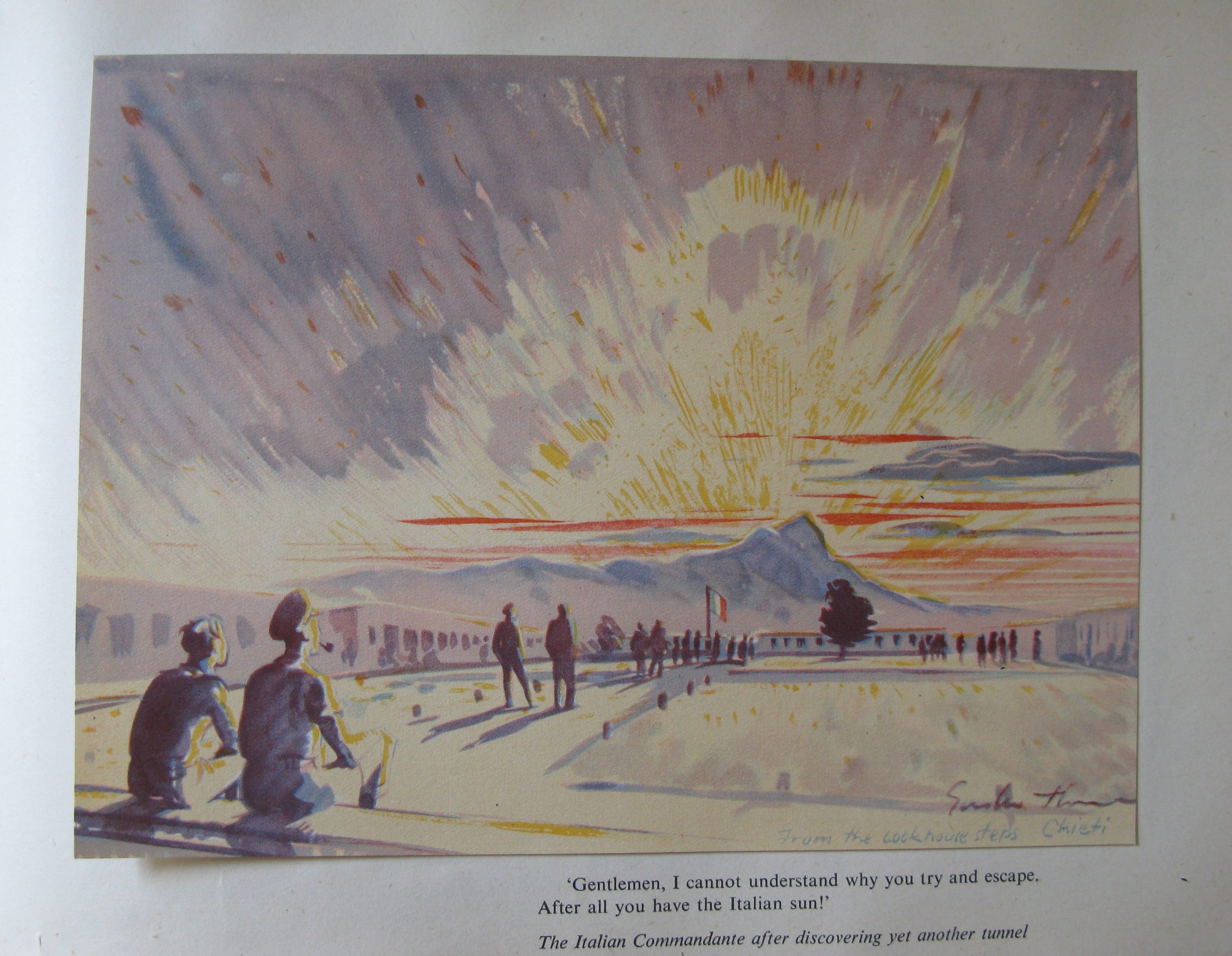
The creation of the Monte San Martino Trust relates to a very specific event of the Second World War. During the North African campaign, a great number of Allied soldiers were taken prisoner by the Germans and transferred to prisoner-of-war camps in German-occupied Northern Italy. Some of these prisoners managed to escape and tried to join the Allied forces in Southern Italy, but often ended up stranded in the Italian countryside, with no food or shelter and the constant threat of German soldiers patrolling the surroundings. At this point, many were rescued and helped by Italian farmers, or contadini, who, despite having very little themselves, took great risks to feed them and hide them from the Germans. One of these escaped soldiers, J. Keith Killby, who was able to survive and go back to England thanks to the contadini‘s help, wanted to return some of the generosity that was shown to him. In 1989, he and other veterans founded a trust whose main activities were – and still are, to this day – to provide grants for young Italians wanting to study English in the UK, and to promote research on the Allied presence in wartime Italy. The organisation was named after the village of Monte San Martino in Northern Italy.
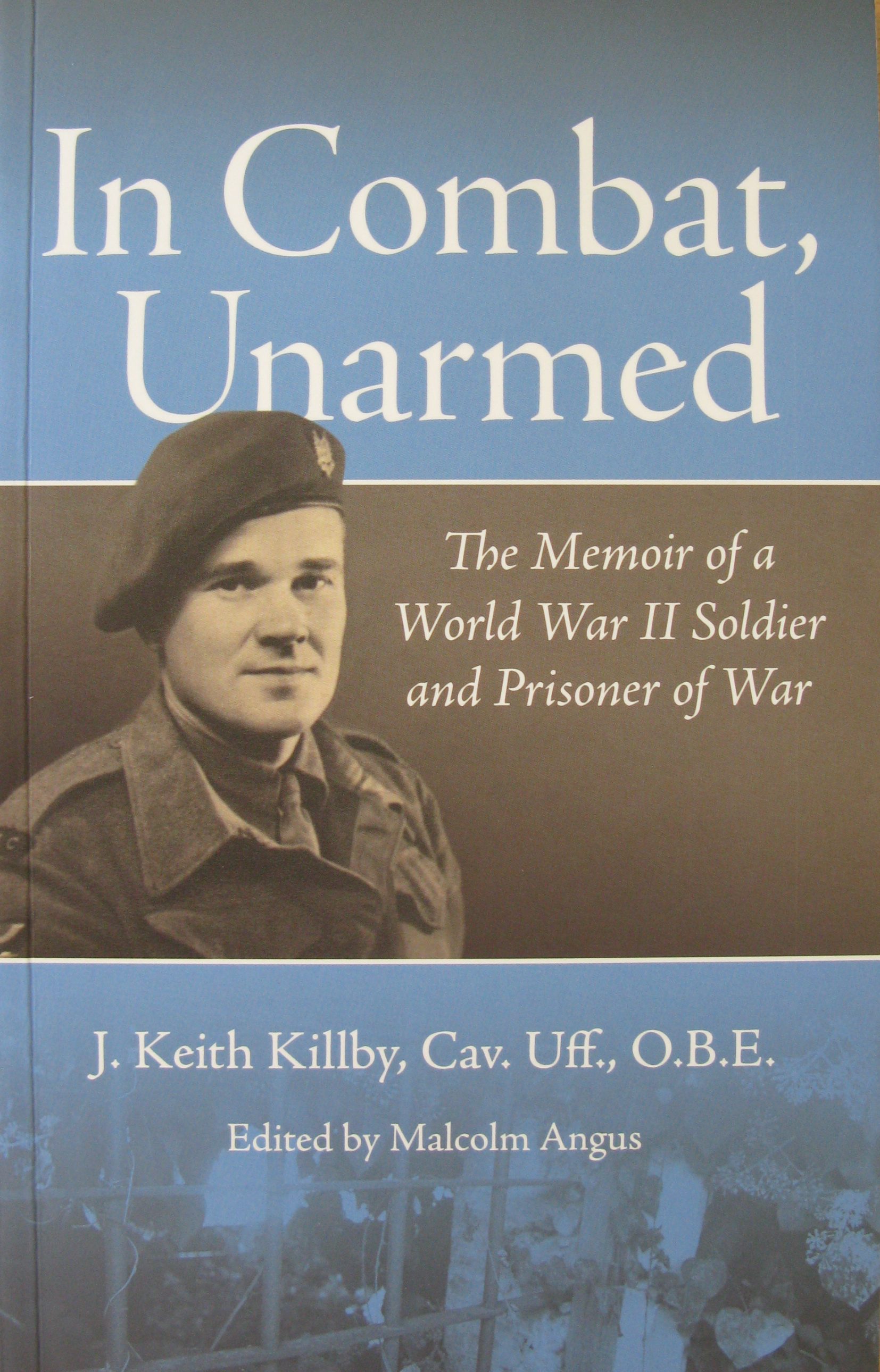
The 176 books that were collected by the Trust and have now been deposited in the UL document these historical events, either in English or in Italian.
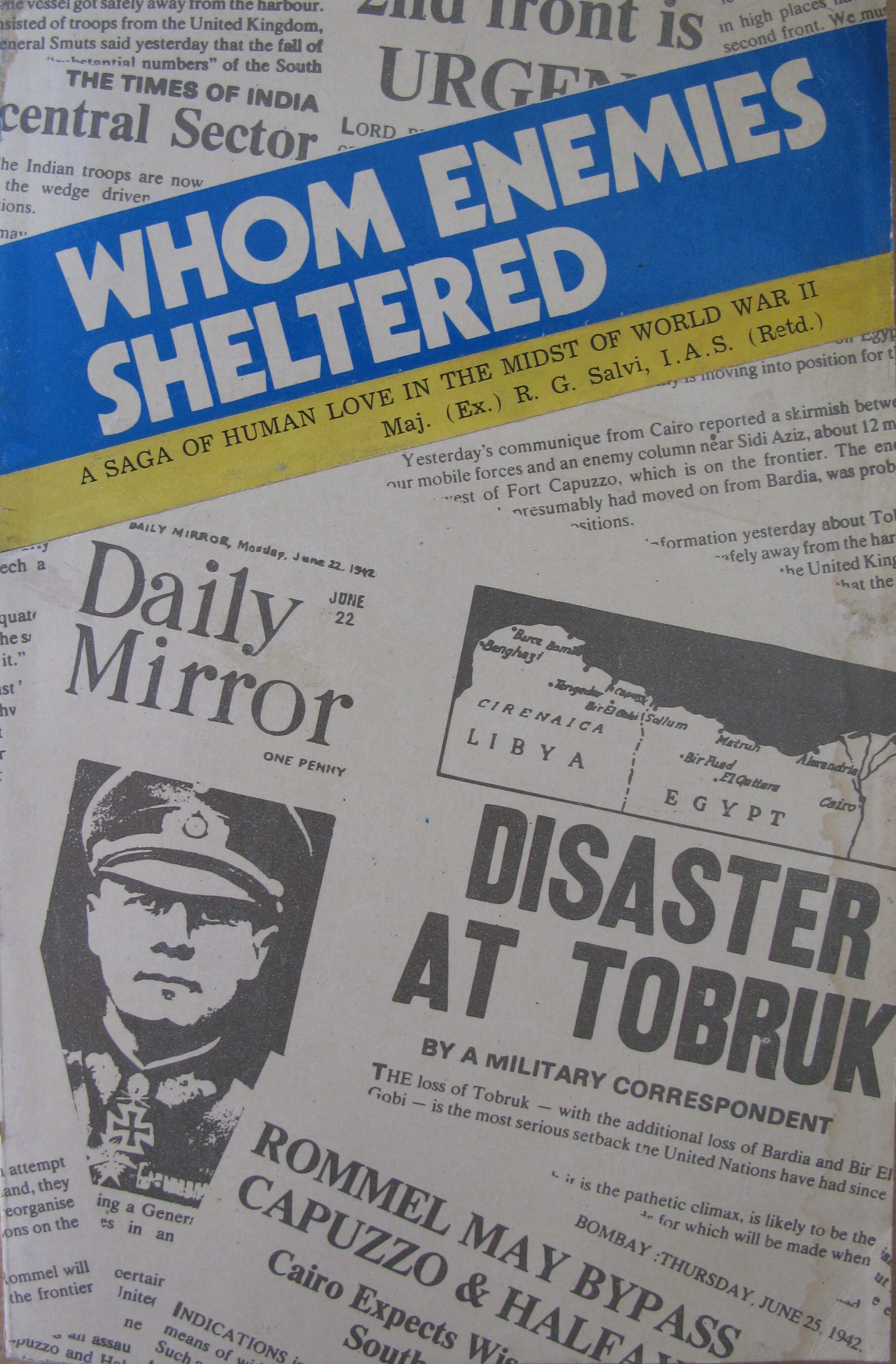
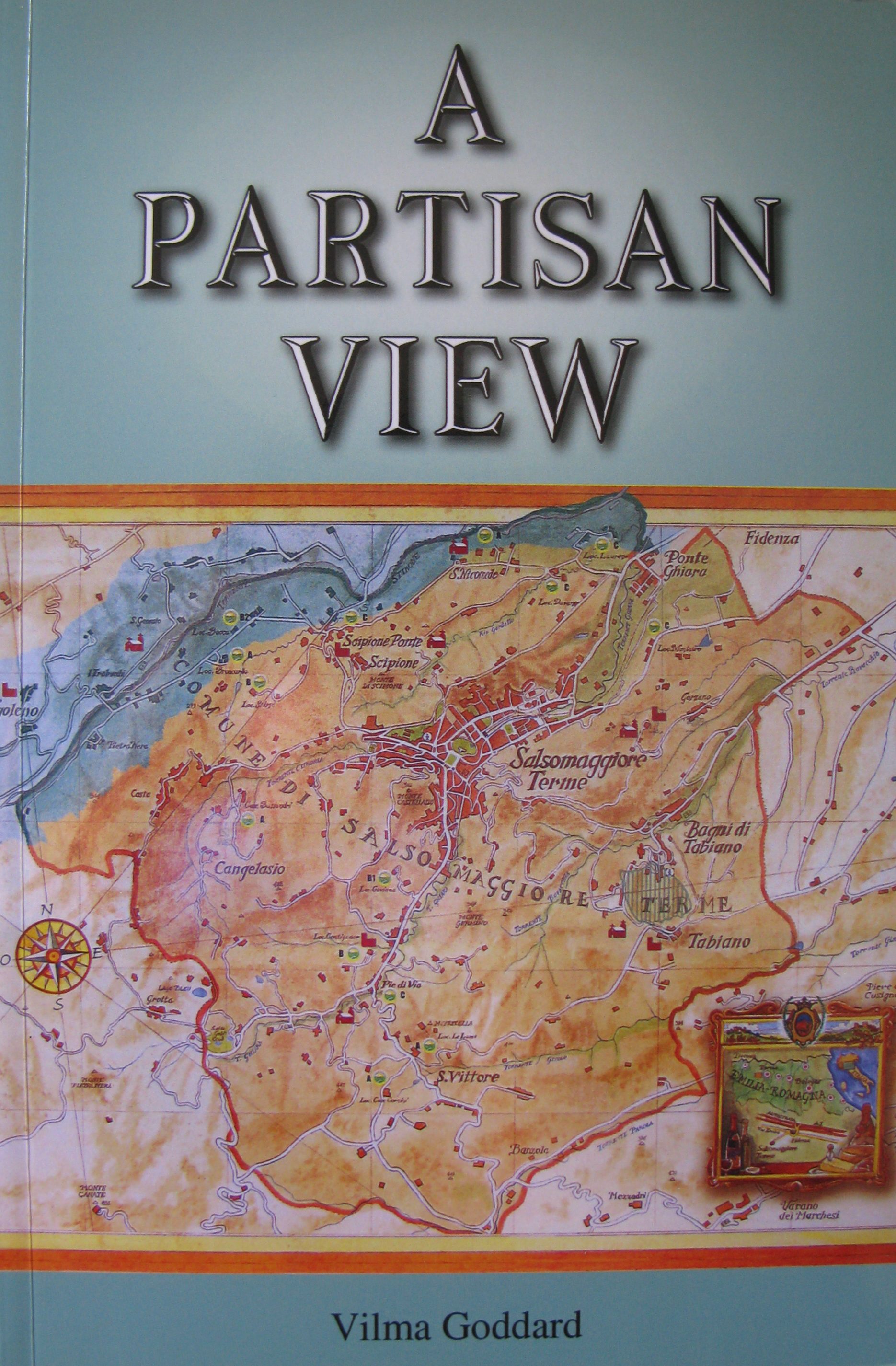
The English books are, for the greatest part, first-hand accounts written by former Allied soldiers who came from the United Kingdom but also from South Africa, New Zealand, Australia and even India for one of them (R.G. Salvi, author of Whom enemies sheltered : a saga of human love in the midst of World War II, CCC.82.7). These, often self-published, war narratives all tell a similar story of escaping prison camps, being helped by the contadini, and successfully getting into Allied-controlled territory. They sometimes end with the reunion, years after the war, of the narrator and the Italian family who helped him – with one story concluding in the marriage of a soldier and a contadina (A partisan view by Vilma Goddard, CCC.82.20, autobiography of the contadina in question). Of particular note is the war memoir of J. Keith Killby, the Trust founder, a pacifist who nevertheless resolved to join the army when the war was declared, while arranging to always stay in corps that did not carry arms.
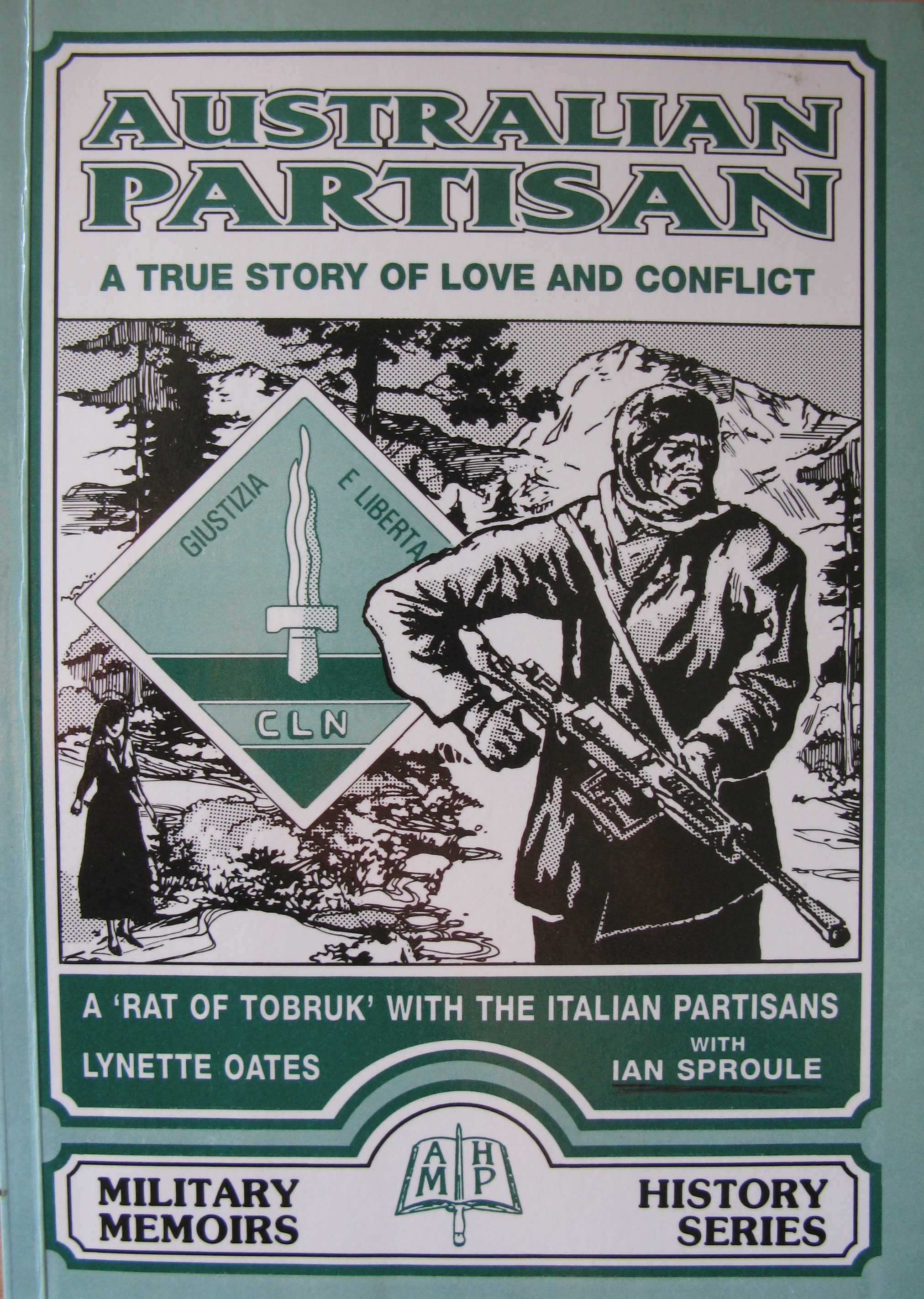
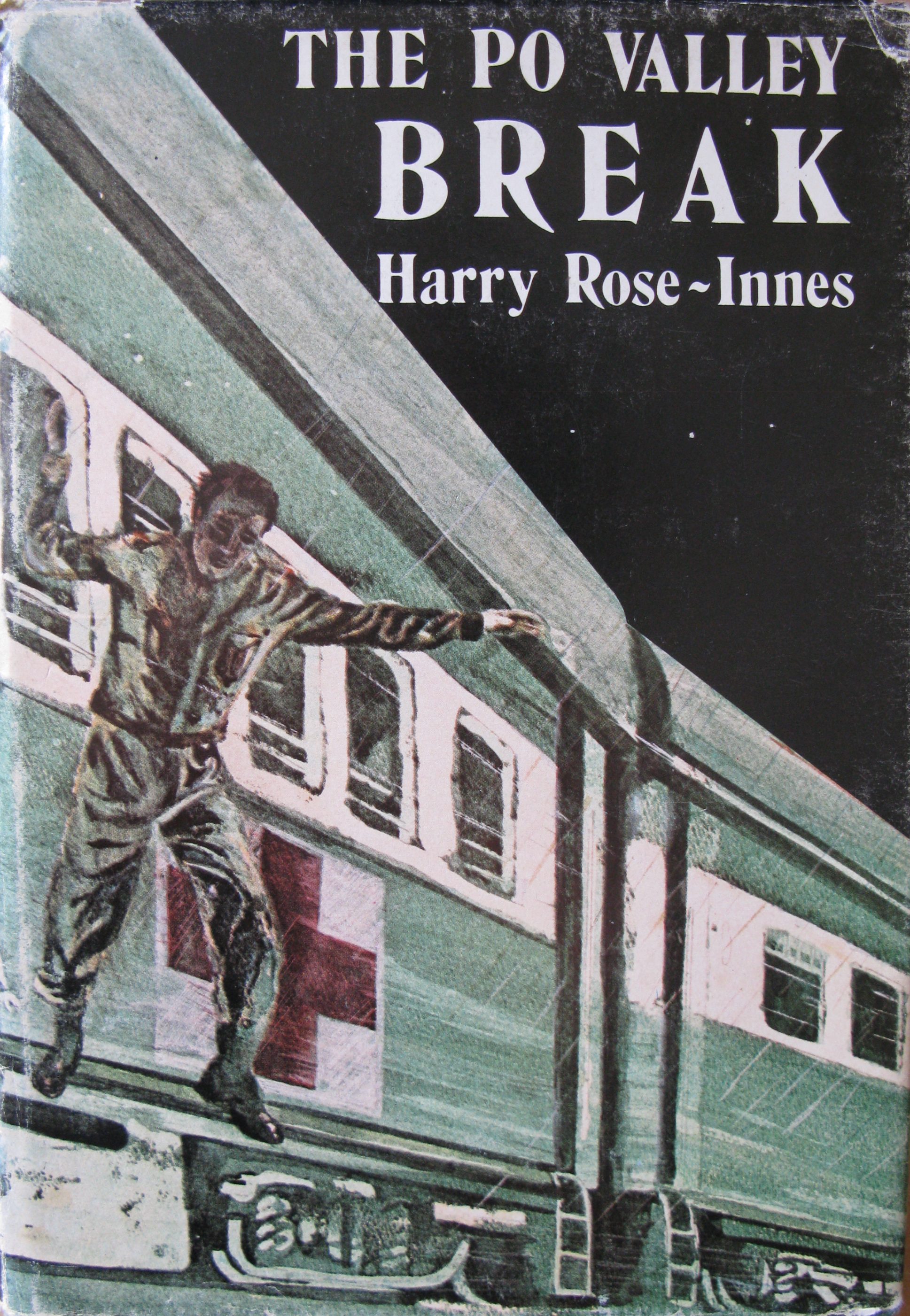
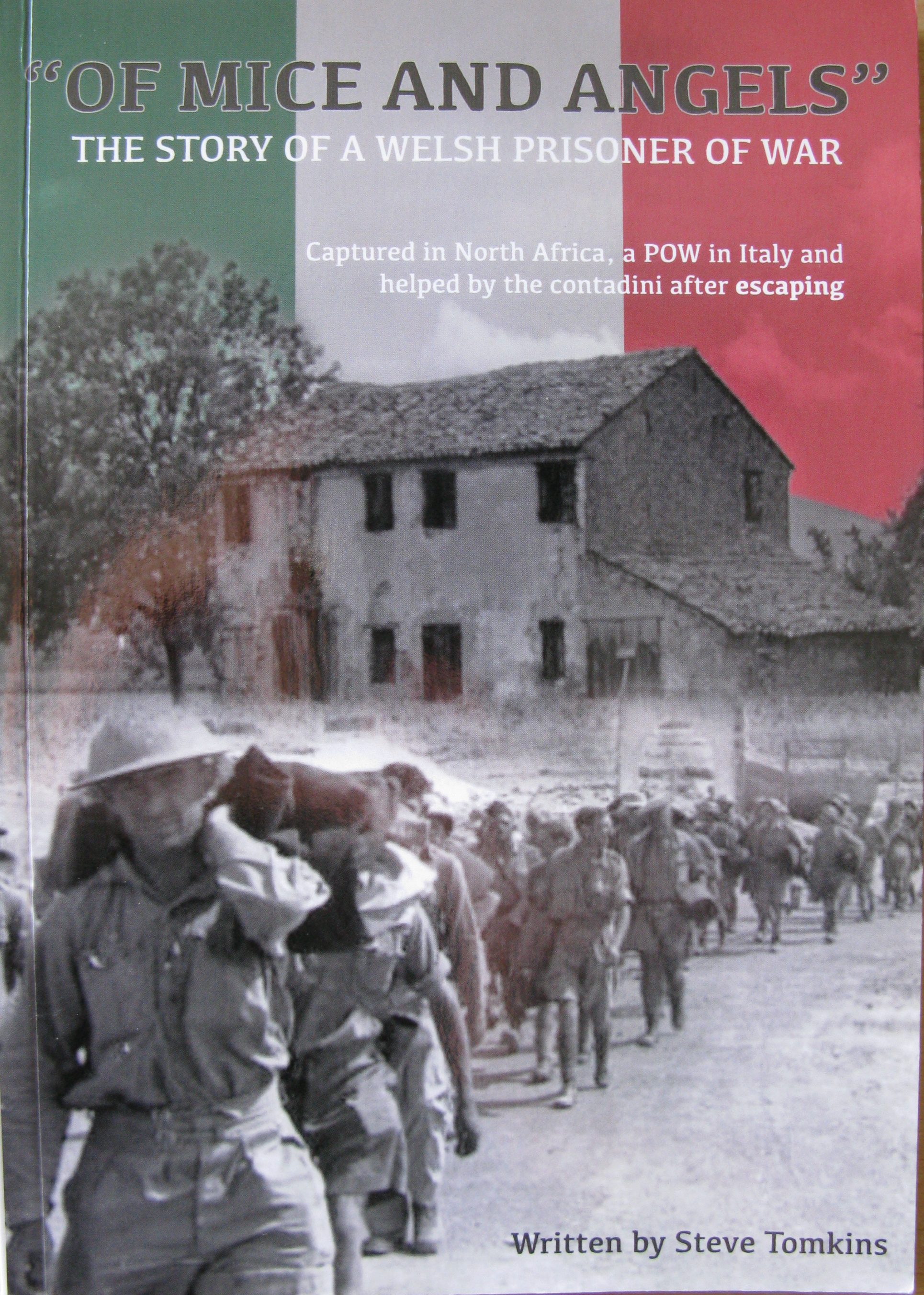
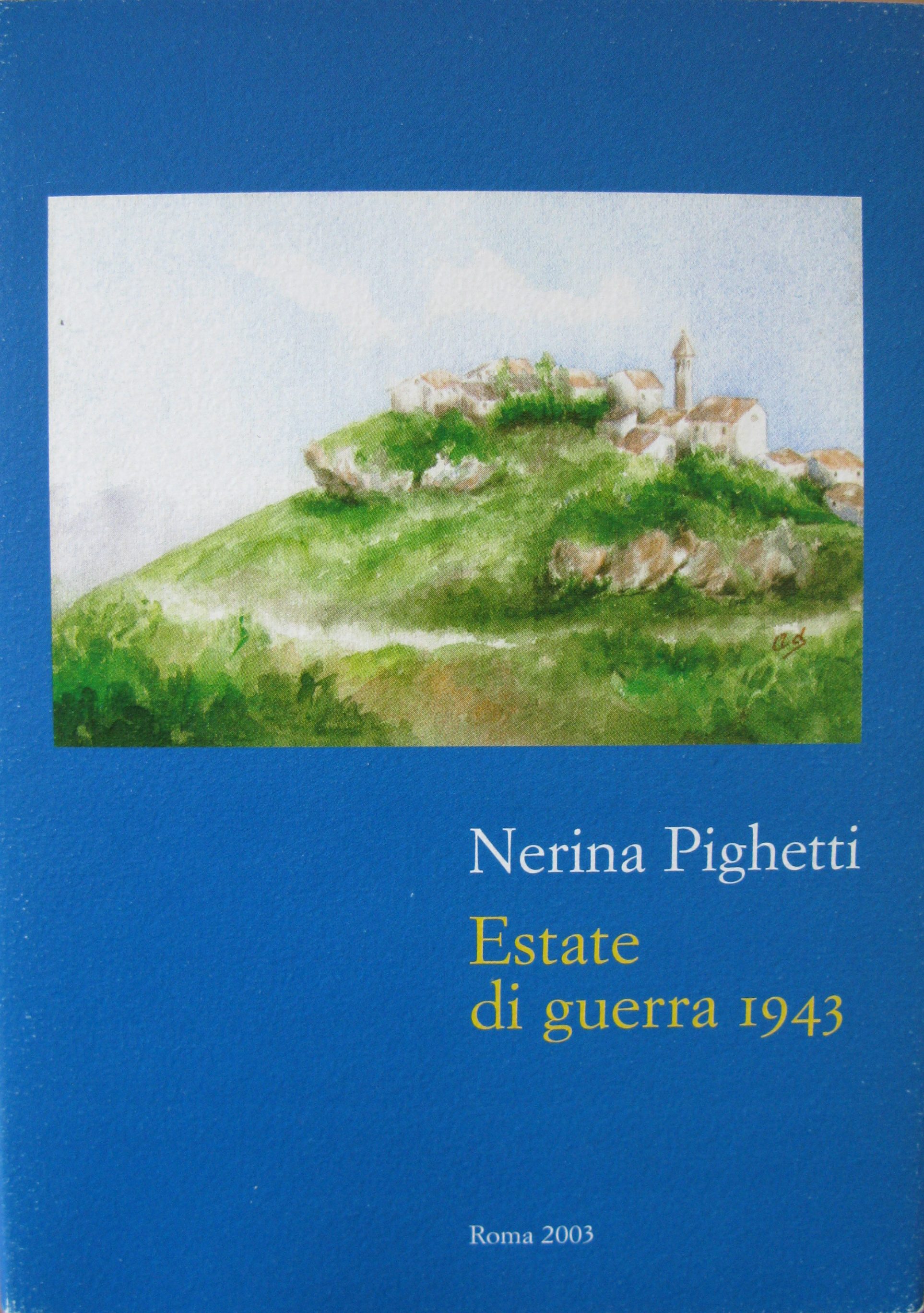
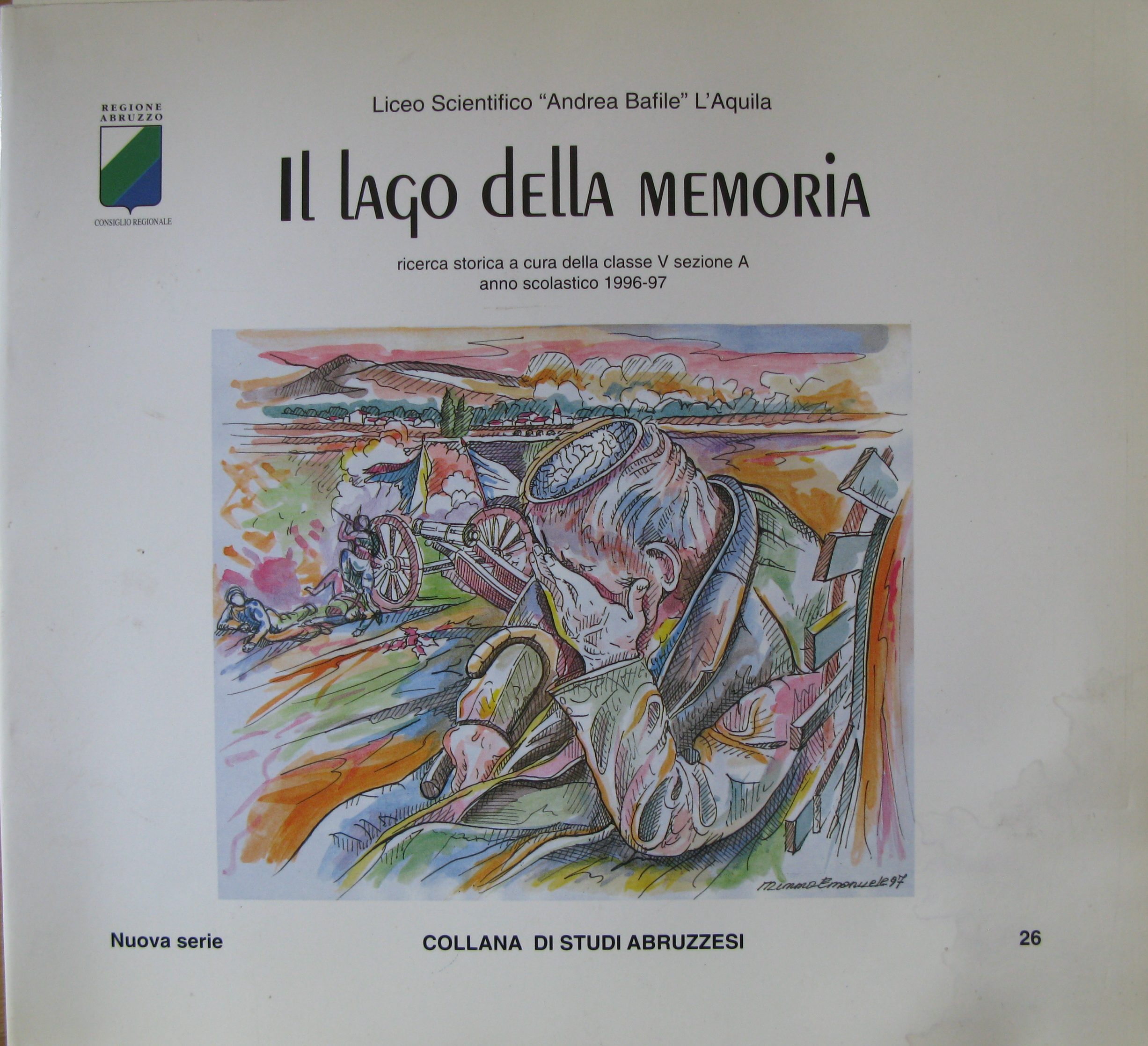
The Italian books are much more varied in their content, though they all broadly fall under the category of local history. Some are Italian translations of the English books held in the collection (the war memoir of J. Keith Killby among them). These translations were often made as part of a project led by high school students, or at the initiative of local associations, in regions where prisoner-of-war camps were situated. The accounts were obviously of some interest for Italian local history, revealing the heroism of the region’s contadini. The collection also includes a few testimonials by Italian people who helped Allied prisoners, such as Estate di guerra 1943 : diario 25 luglio 1943-5 gennaio 1944 by Nerina Pighetti (CCC.82.72).
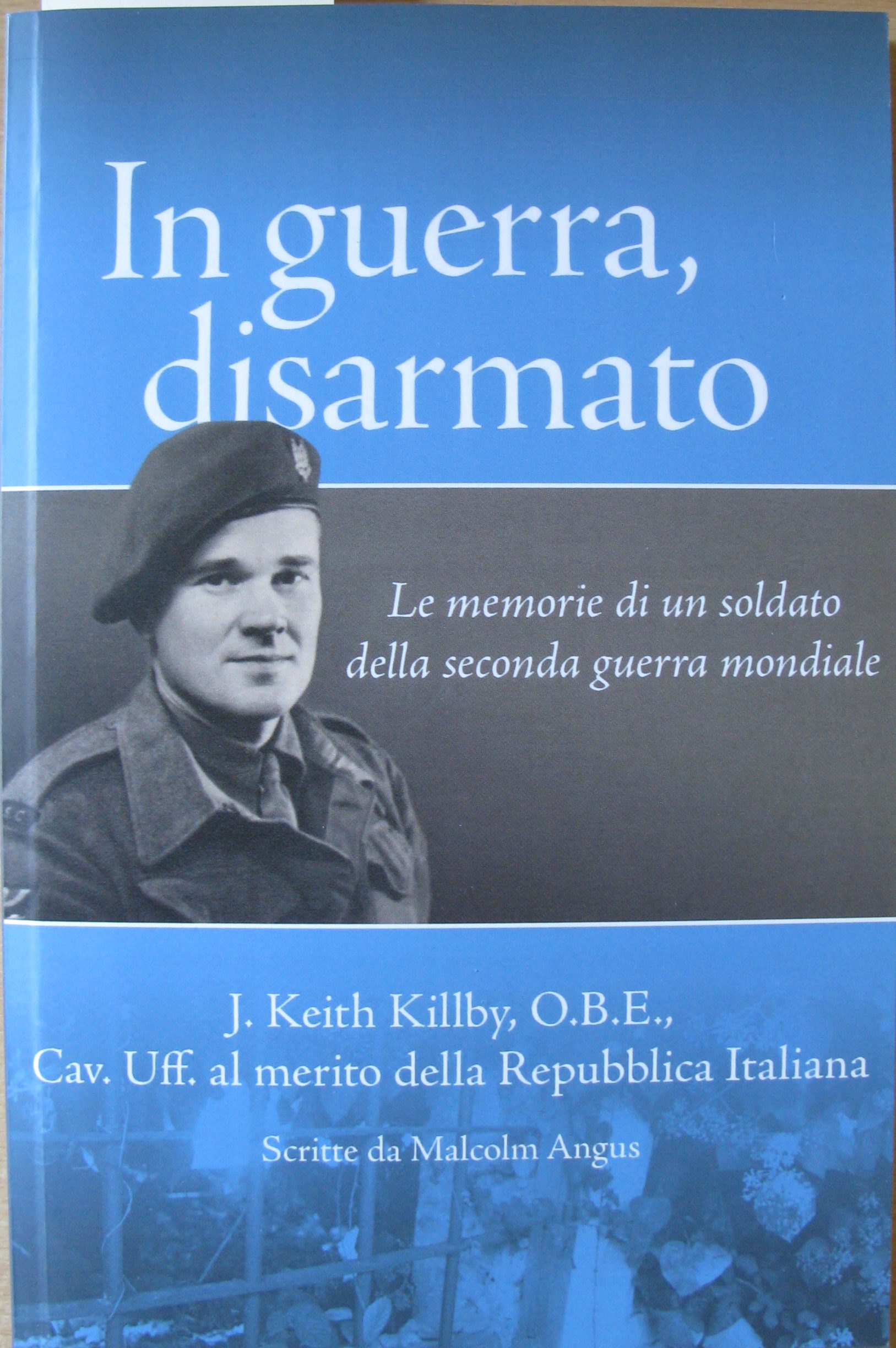
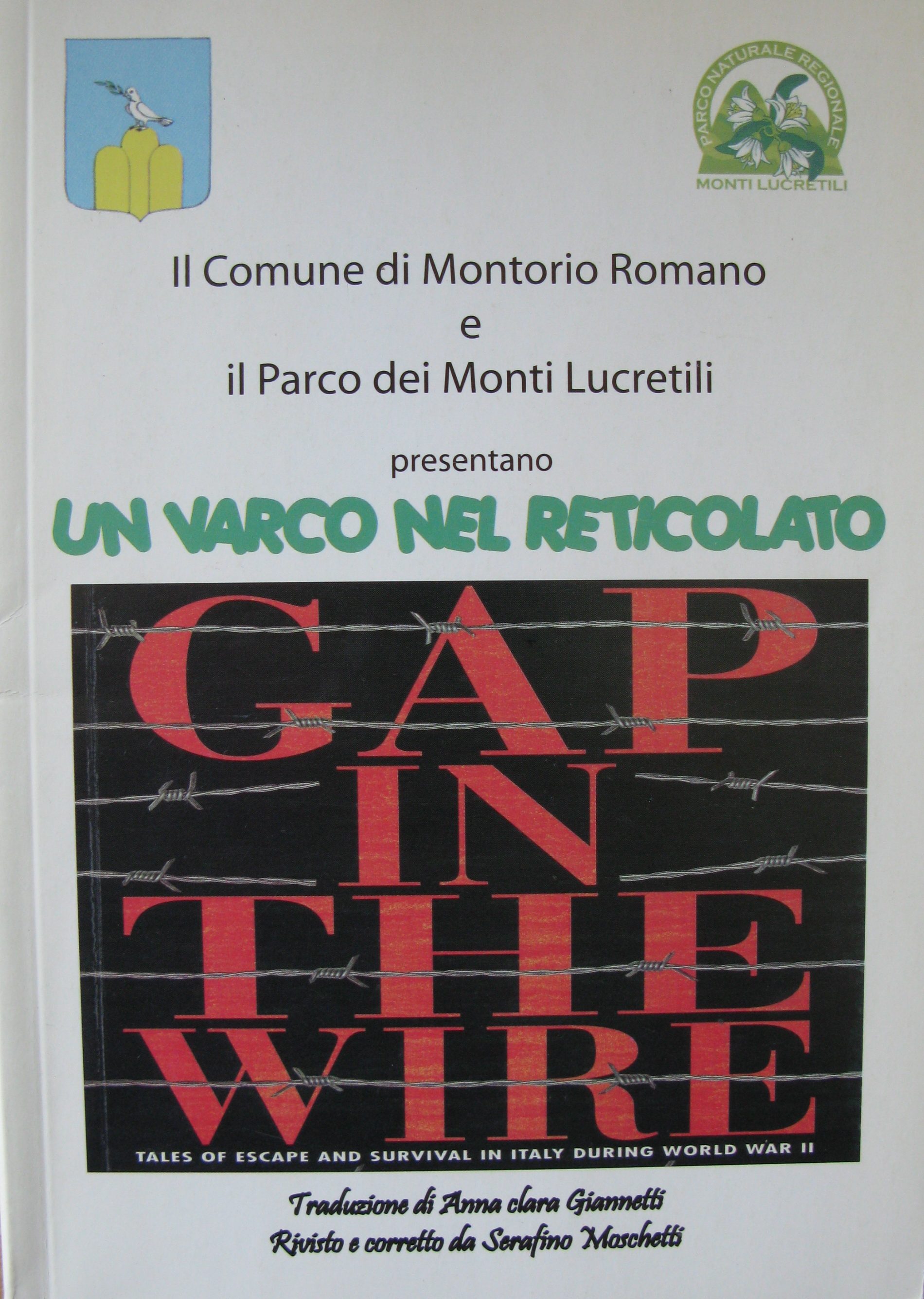
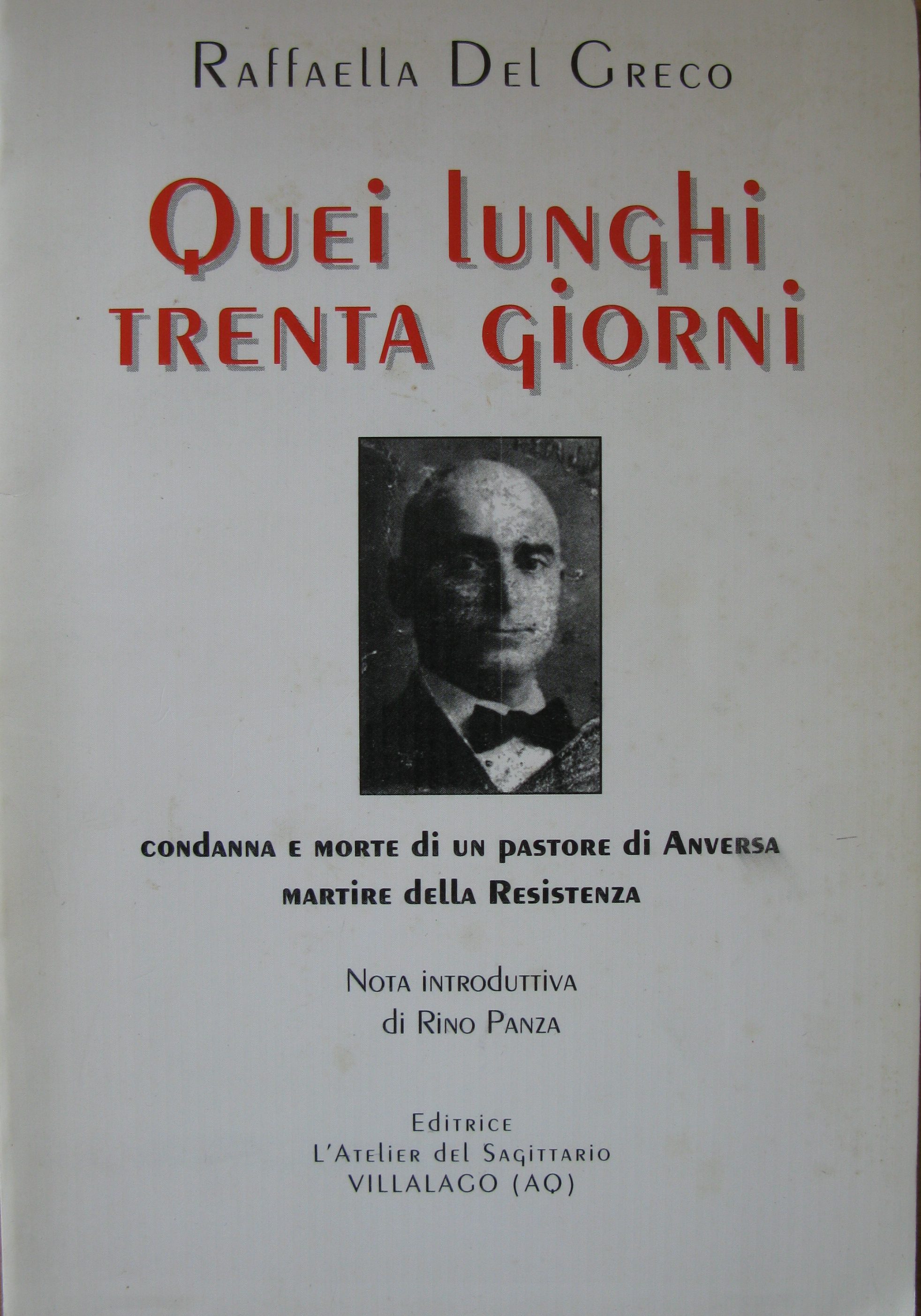
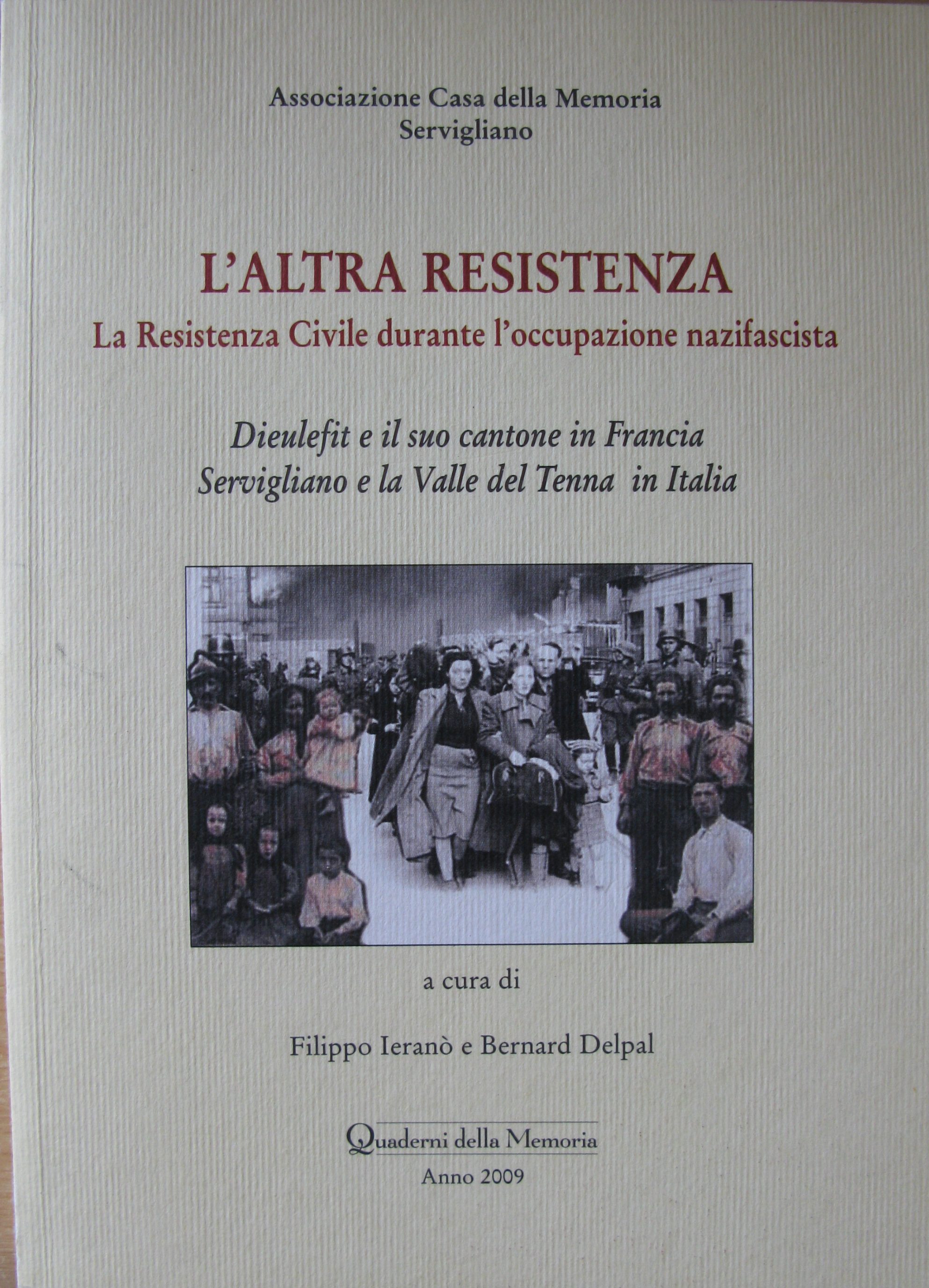
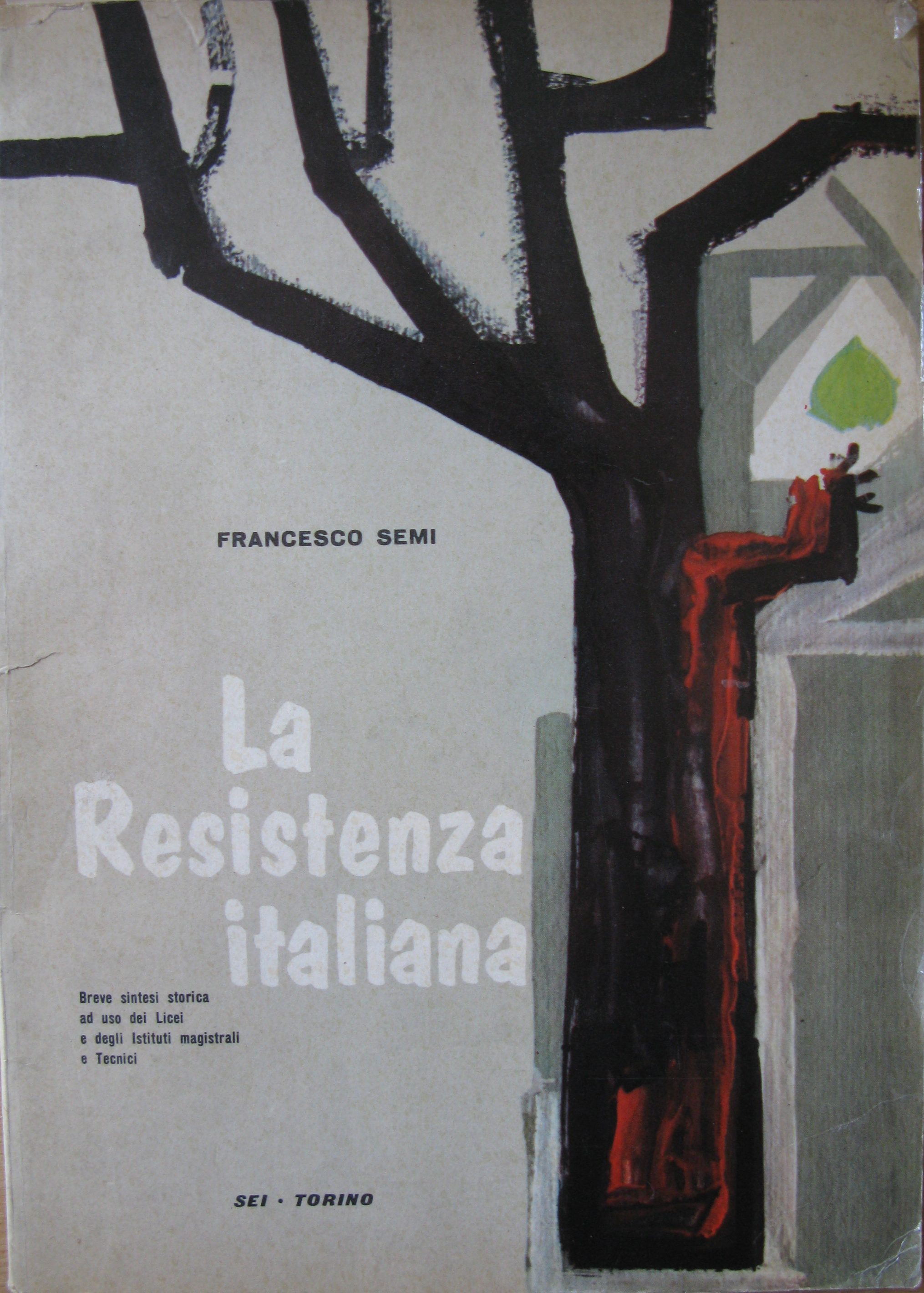
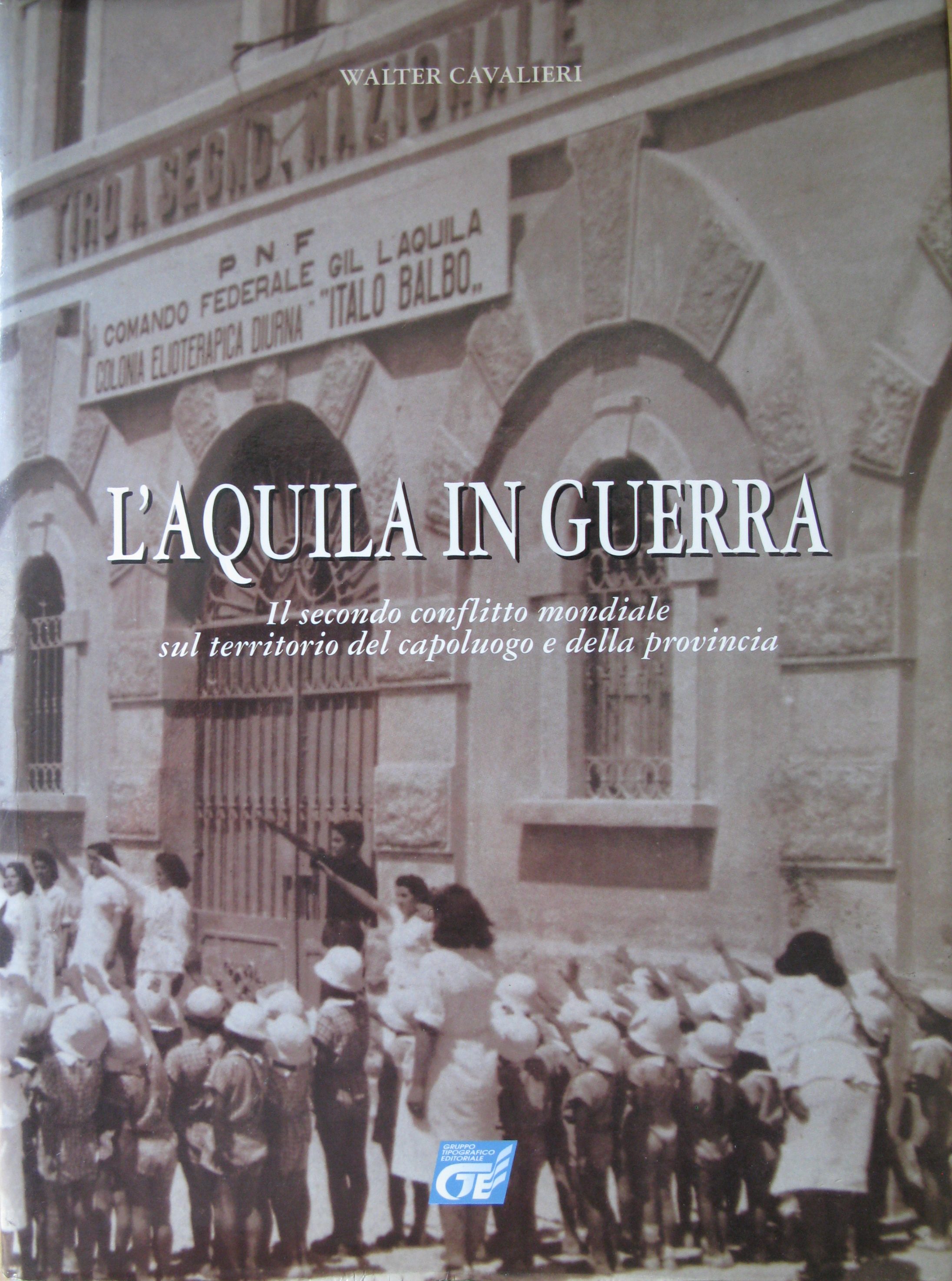
Most of the books in the Italian part of the collection study the history of the Second World War in Italy, whether in the country as a whole or in specific regions, provinces, cities, or even villages. Among these are works on Italian prisoner-of-war camps, in particular the Servigliano camp where J. Keith Killby was imprisoned, and studies on the Italian Resistance. “Resistance” here is taken as a broad term that encompasses the anti-fascist partigiani but also acts of civil disobedience by ordinary Italians. It is worth noting that the contadini who helped the Allied soldiers escape were not necessarily anti-fascist, nor did they see themselves as being part of the organised Resistance, but were often described in the first-hand accounts as acting out of compassion for the young stranded soldiers, and a shared spirit of defiance against the occupying forces. These books also reveal the terrible price some of the contadini had to pay for this transgression: Quei lunghi trenta giorni by Raffaella Del Greco (CCC.82.47), for example, tells the story of a man executed for helping soldiers.
Search “Monte San Martino Trust” in iDiscover for a full overview of the collection. All the books can be ordered and read in the Rare Books Reading Room. The archives of the Trust can be found on ArchiveSearch and consulted in the Manuscripts Reading Room.
Anne Lacour
 Languages across Borders