
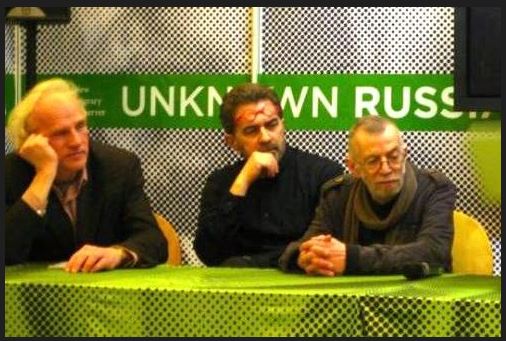
 This week saw the death following a road accident of the poet and activist Lev Rubinshteĭn (Rubinstein). Rubinshteĭn is most closely associated with Russia and especially Moscow, where he lived and died and and whose son he was most famous as through his status as one of the founders of Moscow conceptualism. Yet while Russia’s dissident and artistic scenes have lost a shining light through his death, Ukraine has also lost a friend (he consistently spoke out against Russian aggression again Ukraine) and a son too: Rubinshteĭn was born in Moscow to Jewish parents who both came from Ukraine.
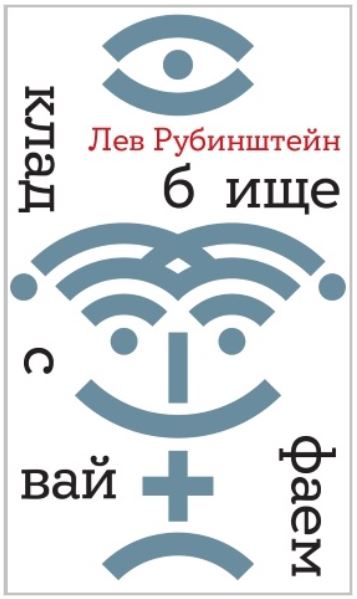
Cambridge has 21 print titles for Rubinshteĭn at the time of writing, with the most recent his 2020 Kladbishche s vaĭfaem [Cemetery with wifi]. Through our current subscription to the BiblioRossica platform, we also have electronic access to two titles: 2008’s Slovarnyĭ zapas [Lexicon; literally “word stock”] and 2015’s Bolʹshai︠a︡ kartoteka [Large kartoteka]. I wrote about Rubinshteĭn, including his kartoteka writings, back in 2014, at a time when he was already active in speaking out Russia’s imperialistic actions against Ukraine at the start of a campaign whose grim 10th anniversary we are unbelievably going to be marking next month.
For those without reading knowledge of Russian, we also have some Rubinshteĭn in English:
- Compleat catalogue of comedic novelties (2014)
- Strange Soviet practices (to which he is a contributor) (2004)
- Here I am (2001)
Anything by Rubinshteĭn was always a definite purchase, yet I have managed to miss his Covid- and then invasion-era publications despite following him on social media, mistakes which I’ll now rectify. Next week, I’ll be able to add to our holdings with his 2022 book, Vremi︠a︡ politiki [Time of politics], which I can get as an ebook – I’ll update this blog post with a link when it is available. Other titles will follow as print deliveries from Russia permit. Hopefully a proper collected works will eventually be able to celebrate Rubinshteĭn’s life – one full of talent, optimism, humour, and humanity.
Mel Bach
 Languages across Borders