The war on Russian writers against the war on Ukraine

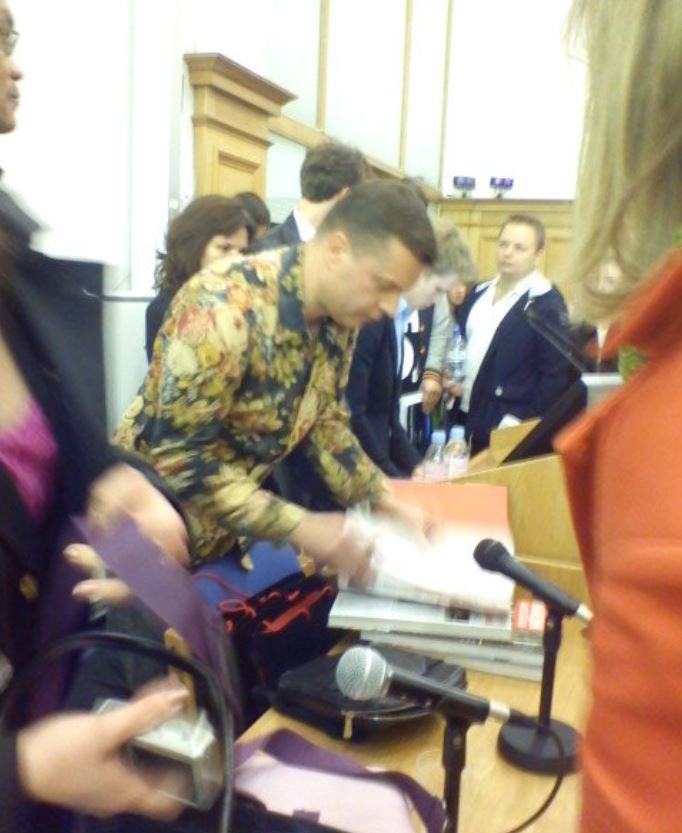
A blurry Leonid Parfenov at an event in London in 2011

Next week will see the launch of collaborative work to bring some of the UL’s Ukrainian material together into a pop-up exhibition.  This week, we will focus briefly again on the effect Russia’s war on Ukraine is having on its own country, this time through the prism of the leaked list of authors that the Moscow Dom Knigi bookshop network have apparently banned their staff from putting on display (a full ban is thankfully not in place); an article in Russian about this can be found here.  The ban largely relates to the authors’ appearance on the list of ‘foreign agents’ (inoagenty) this blog has mentioned before, which ultimately boils down to their stance against Russia’s invasion of Ukraine.

Continue reading “The war on Russian writers against the war on Ukraine”
“Of your truth we have had enough” : Lesia Ukrainka’s Cassandra

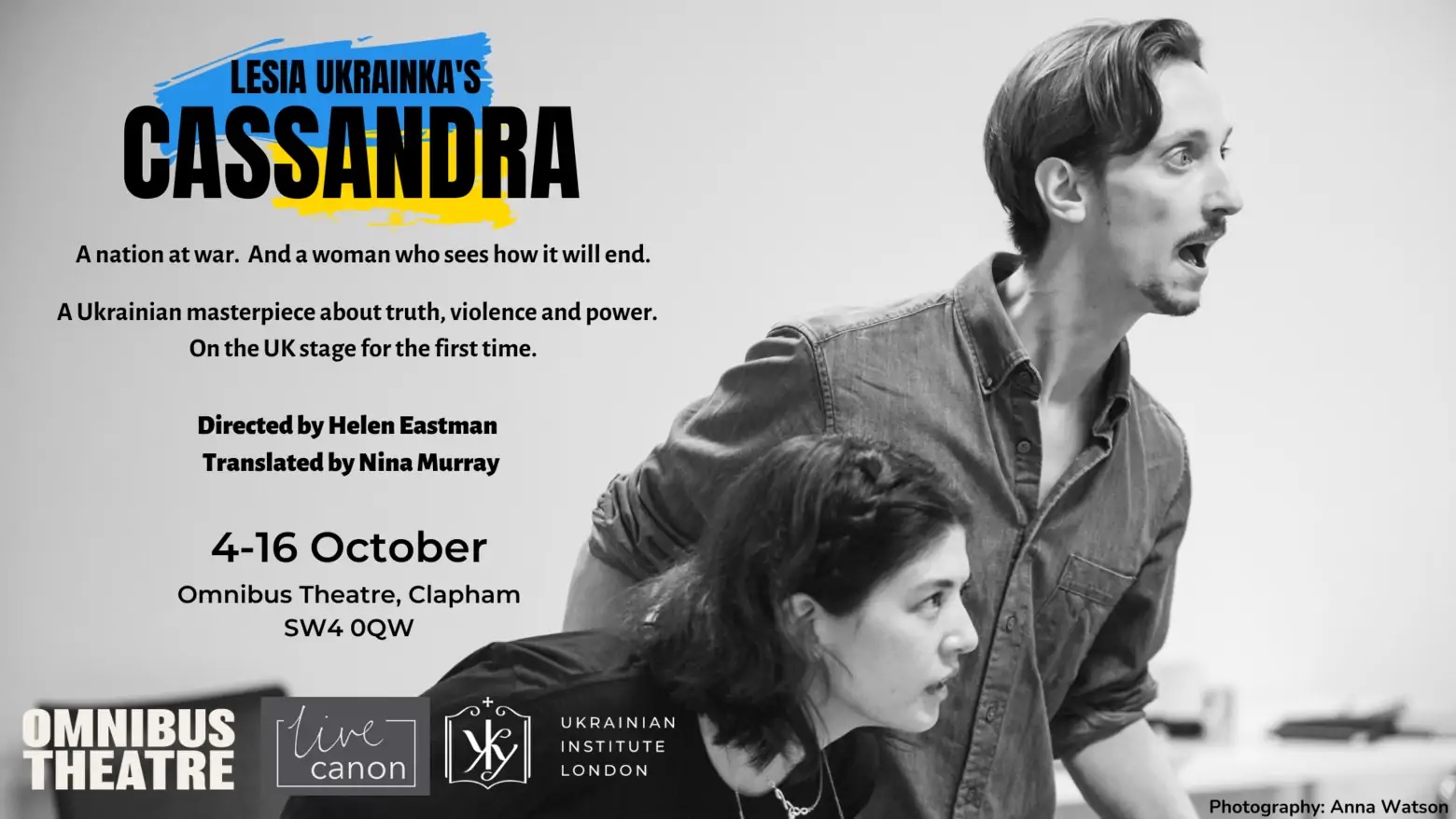
This evening’s performance of the great Ukrainian writer Lesi︠a︡ Ukraïnka’s play ‘Cassandra’ at the Omnibus Theatre in Clapham will be available for 24 hours online, with a minimum donation of £5 per viewer.  More details can be found on the theatre’s site.  The play has been translated by Nina Murray and directed by Helen Eastman, and the Ukrainian Institute in London – often mentioned in this blog – are among the institutions that have made the run possible.

Poster for the Omnibus Theatre staging

Continue reading ““Of your truth we have had enough” : Lesia Ukrainka’s Cassandra”

Shevchenko and a possible exhibit

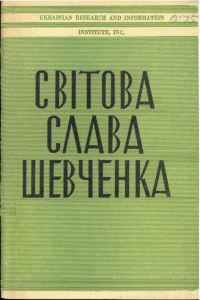
At the end of a week full of news from and about Ukraine (not least the shared awarding of the Nobel Peace Prize to the Ukrainian Center for Civil Liberties), today’s blog post is a very quick look at a 1964 book about international praise for another great pride of Ukraine, the writer and artist Taras Shevchenko (1814-1861).

This 55-page book, published in Chicago and printed in New York, came to us in a donation from the Shevchenko Scientific Society in New York, the contents of which we started cataloguing in lockdownSvitova slava Shevchenka (The global glory of Shevchenko) studies the reception of Shevchenko’s work outside Ukraine and was published to mark the 150th anniversary of his death.

The small book covers a lot of ground.  It outlines the reception of Shevchenko in the following languages (using the book’s own order): Russian, Belarusian, Polish, Czech, Slovak, Bulgarian, Serbian, Croatian, Slovene, Romanian, Hungarian, Lithuanian, Latvian, Estonian, Georgian, Armenian, Hebrew, German, French, English, Danish, and Swedish.  This kind of study is a really useful addition to our collections, helping philologists and others track cultural impact.

Svitova slava Shevchenka passed through my hands today as a possible long-listee for an exhibition we plan to curate with Ukrainian refugees hosted locally – watch this space!

Mel Bach

Writings from Ukraine Lab : the September 2022 Slavonic items of the month

Today, the day when Putin added to his illegal annexation of Crimea in 2014 the illegal annexation of four more Ukrainian regions (not fully even under temporary Russian control) following further referenda not worth the paper they were falsified on, our weekly Ukrainian blog post promotes new writing about Russia’s war against Ukraine made possible by the Ukraine Lab initiative, led by the Ukrainian Institute in London.

Image from a tweet today by @ukraine.ua (https://twitter.com/ukraine_ua/status/1575823324961157122/photo/1)

Continue reading “Writings from Ukraine Lab : the September 2022 Slavonic items of the month”

Mogilizatsiia and Pugacheva

The news about Russia’s war against Ukraine gives us each week new names and/or new vocabulary.  This week, we’ve heard a lot in Russian about mobilizat︠s︡ii︠a︡ (mobilisation) but some of us might also have seen the rise of the term mogilizat︠s︡ii︠a︡, a grimly wry portmanteau of the words mobilisation and – mogila (the grave).  The name for a call-up paper is simply povestka, a word related to “telling” (eg povestʹ means a story).  Judging by news coming from Russia, povestki are arriving in huge numbers and not only to those within the parameters Putin set out that; the scale of mobilisation is far greater than the president will openly admit.

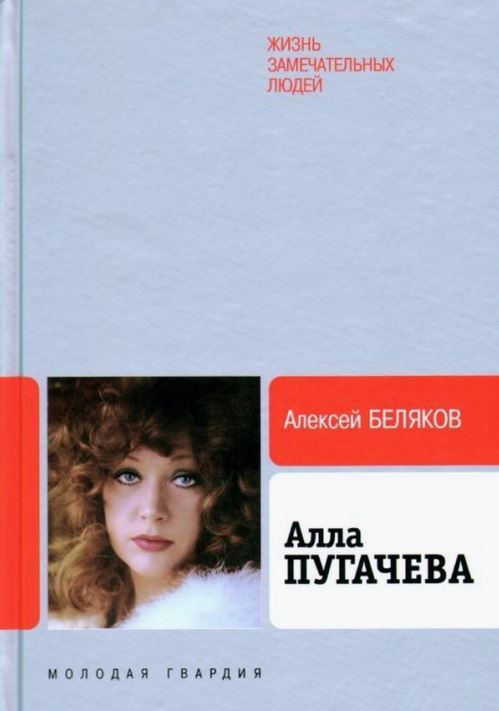
The cover of ‘Alla Pugacheva’ by Alekseĭ Beli︠a︡kov (C202.d.4981)

In terms of names, Alla Pugacheva will either have been abundantly known to you already or also a new thing this week.  Pugacheva was an absolutely huge music star in Soviet times and has remained so in modern Russia (she gets her own two chapters in David MacFadyen’s Red Stars : Personality and the Soviet Popular Song, 1955-1991; you can find other Cambridge library books, not all of them, admittedly, highly academic, about her here).  Earlier this week, Pugacheva wrote an open letter to the Russian authorities requesting that she be added to the list of inoagenty (from inostrannye agenty – foreign agents) to which her husband, Maksim Galkin, a consistent opponent of the “special military operation”, had just been added.  Pugacheva’s dramatic stand against the war may have come over 6 months after Russia invaded Ukraine, but it was pretty seismic.  Until, that is, Putin outdid her with his address about “partial” mobilisation, about the referenda that (properly stage-managed) will allow him to claim parts of Ukraine under Russian control as parts of sovereign Russia, and about the possibility of using a nuclear bomb (no ‘blef‘, he said – no bluff)…

We should end on a light note.  Alla Pugacheva’s husband, Maksim Galkin, became famous as a comedian, singer, and much more around the year 2000.  He won my delighted respect in 2002 when, in response to the rather self-admiring singer Nikolaĭ Baskov’s release of an album called ‘I’m 25!’, Galkin released a rather less earnest album named ‘Well, I’m 26!’  Not many images can be found of the latter, sadly, but here is Baskov’s.

Mel Bach

Untangling a record for a Ukrainian book

It crossed my mind today to look up in our staff cataloguing system books published in Ukraine and coded as being in Russian, to see whether any of them had been incorrectly coded.  The fifth result was exactly that – a Ukrainian title mangled in transliteration performed in keeping with the rules for Russian:

  • Мистецтво стародавнього Києва [by]  Ю.С. Асєєв –>
  • Mystet︠s︡tvo starodavnʹoho Kyi︠e︡va [by]  I︠U︡.S. Asi︠e︡i︠e︡v (correct)
  • Mistet︡s︠tvo starodavnʹogo Kieva [by] I︠U︡.S. Aseev (very incorrect)

Continue reading “Untangling a record for a Ukrainian book”

Ukrainian Independence Day

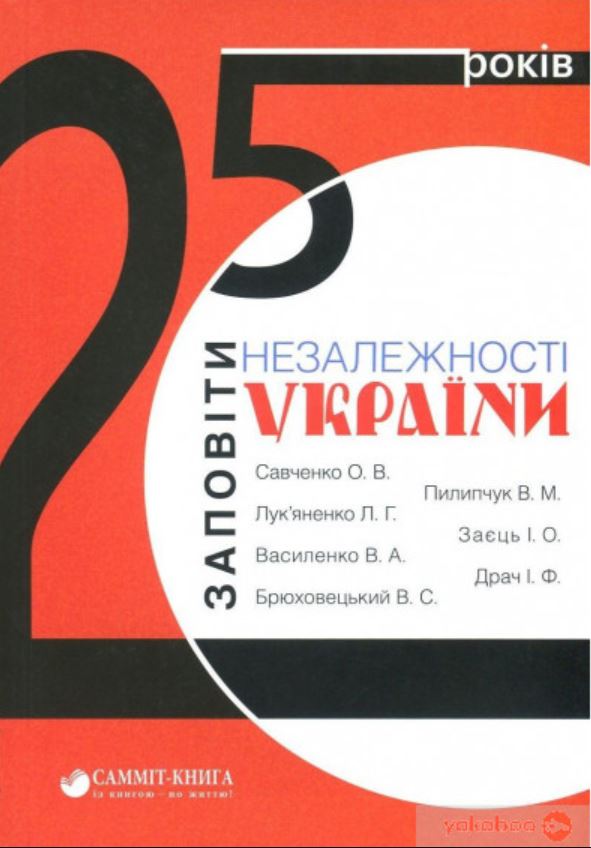
З Днем Незалежності України! = Z Dnem Nezalez︠h︡nosti Ukraïny! = Happy Ukrainian Independence Day!  We have three books in the catalogue with the specific Library of Congress subject heading Ukraine–History–Independence proclamation, 1991 (August 24):

But we have hundreds more under the headings Ukraine–Politics and Government–1991- and Ukraine–History–1991-, many of which could arguably have the specific proclamation LCSH added. Continue reading “Ukrainian Independence Day”

Russian ‘publications provocateurs’ and the war against Ukraine

In a previous post, I referred to the years-long pattern of publishing in Russia of “popular” titles undermining Ukrainian sovereignty.  I was reminded of the subject in an excellent seminar held yesterday called On the Cultural Front: Ukrainian Publishers in the Time of War, which saw three Ukrainians prominent in the publishing world – Iryna Baturevych, Yulia Kozlovets, and Halyna Lystvak – interviewed by Ksenya Kiebuzinski of the University of Toronto.  A recording of the seminar has been put online here: https://www.youtube.com/watch?v=QTnBj0stpzc

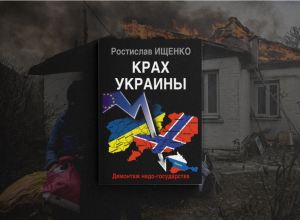
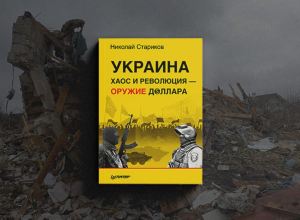
Iryna is the co-founder of Chytomo (literally ‘Let’s read’) which now has its site in English too.  Chytomo provides important, useful, and interesting news and information about Ukrainian publishing and more – including advice and suggestions about how Ukrainian material might be made available abroad in the original Ukrainian and in translation.  During yesterday’s seminar, Iryna provided a link to a Chytomo piece about the kinds of Russian publications that I had referred to previously, called Fifty anti-Ukrainian propaganda books: How Russian publishers stoke hatred against Ukrainians.  The article is topped and tailed with analysis, but its main body provides the quite shocking blurb of each of the 50 books in English and shows each book cover with an image from the Russian war in Ukraine as the backdrop, as the sample screenshots here show.

Continue reading “Russian ‘publications provocateurs’ and the war against Ukraine”