
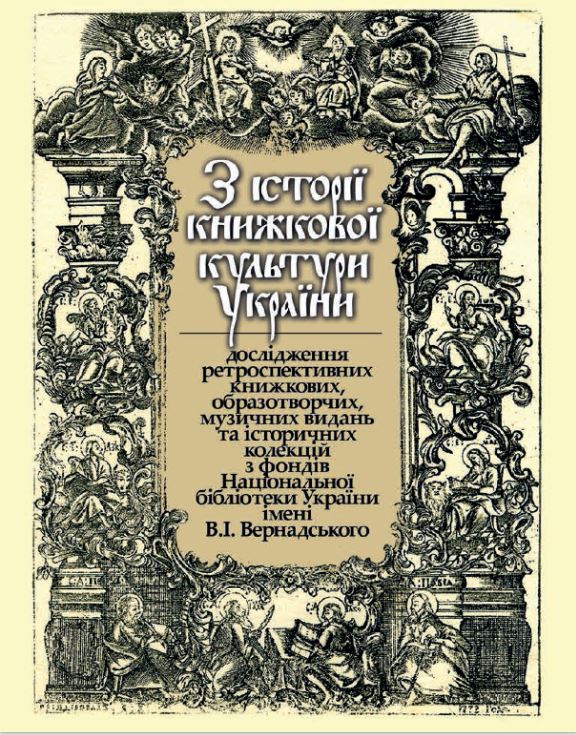
 Our last Slavonic item of the month for 2023 is a newly purchased ebook about the history of books and printing in Ukraine. Z istoriï knyz︠h︡kovoï kulʹtury Ukraïny [From the history of the book culture of Ukraine] looks at items in the Vernadsky National Library of Ukraine. It contains the following 4 main sections, which contain a total of 15 chapters. I give the 3 chapters that fall under the all-important library section. Continue reading “Ukrainian book culture : the December 2023 Slavonic item of the month”
Month: December 2023
Christmas/winter traditions in Ukraine
Our 2021 Christmas blog post looked at the Ukrainian vertep, a centuries-old tradition of telling the Christmas story through puppet theatre. This very brief post looks at two 2022 books received this year about Christmas in Ukraine, including one about vertep.


Glorious Christmas greenery
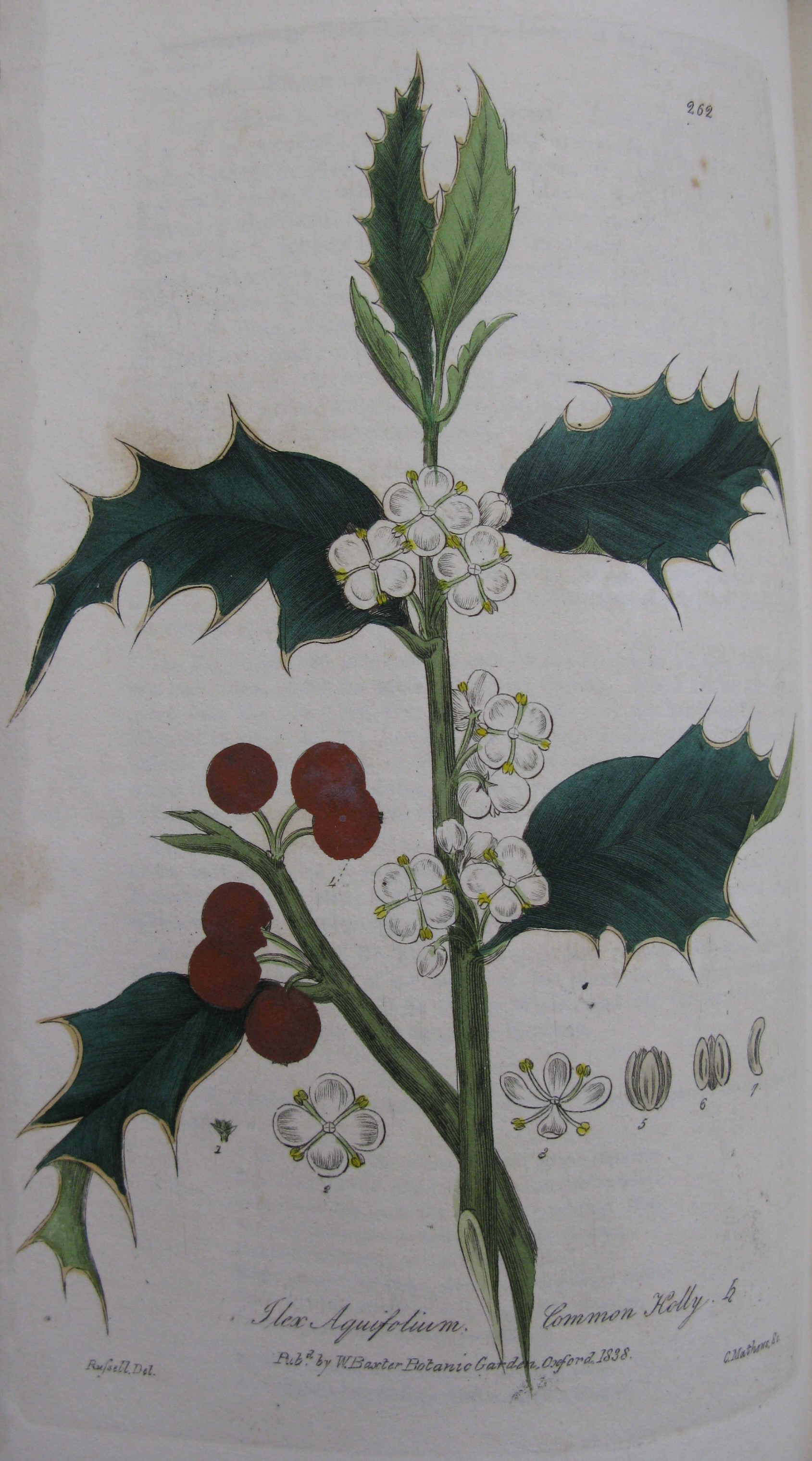
One of the Christmas carols sung this year by the Library choir was a version of The holly and the ivy. This inspired me to choose greenery associated with Christmas for this year’s festive blog post. Christmas trees (a little more on these later) have had brief mentions in previous years (2020’s A very merry online Christmas and 2014’s Christmas comes but once a year) but other traditional Christmas plants such as holly, ivy and mistletoe are new territory here and provide the opportunity to showcase some wonderful botanical art from across the centuries contained in UL books.
In pre-Christian pagan times evergreen plants were used to help celebrate the winter solstice festival, warding off evil spirits. Later on, the plants were given meaning by the Christian church. The fact that many of us today still continue the ancient tradition of decorating our spaces with greenery is rather pleasing. In my house, we will have a holly wreath on the door, ivy adorning the staircase and the tops of pictures, and mistletoe strategically placed for a kiss or two! Continue reading “Glorious Christmas greenery”
Ukrainian films to watch on Klassiki over the Christmas break
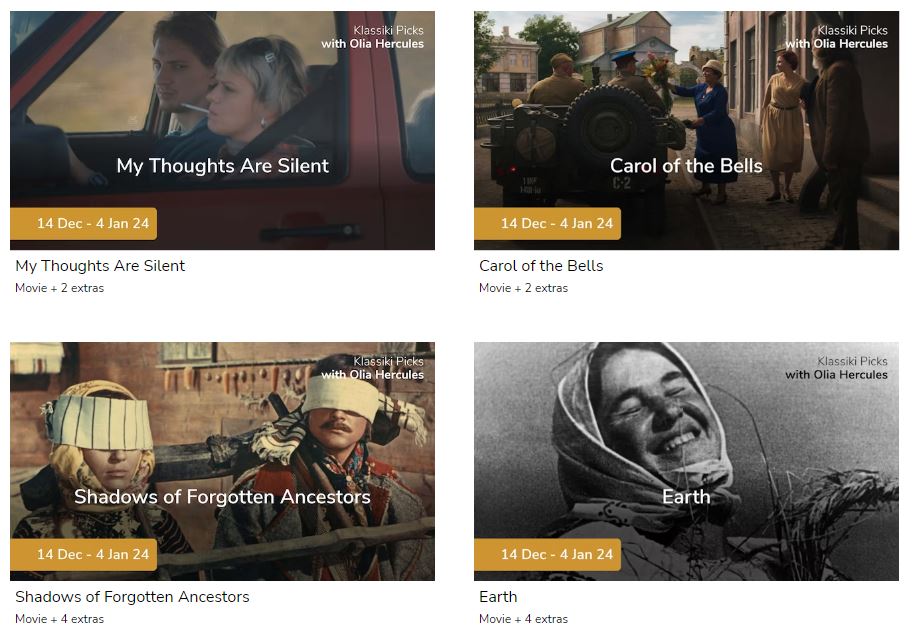
The Klassiki film database, to which the University is now in its 3rd year of subscription, has this week published details of four Ukrainian films available (with English subtitles and further reading) from now until 4 January that have been selected by the activist, writer, and chef Olia Hercules. Continue reading “Ukrainian films to watch on Klassiki over the Christmas break”
The Liberation Collection (1944-46) Visiting Scholarship, Cambridge University Library
Cambridge University Library is delighted to announce the launch of the Liberation Collection Visiting Scholar Programme. Generously supported by the Penchant Foundation, this new initiative will enable a Visiting Scholar to spend between two and four months undertaking research focused on the Chadwyck-Healey Liberation Collection held at Cambridge University Library.
This programme is a collaboration between the University Library Research Institute and Clare Hall, a graduate college located at the heart of the University of Cambridge, renowned for its informal approach to college life and its international diversity. The maximum value of the scholarship is £6000 for UK-based applicants and £7000 for international applicants.
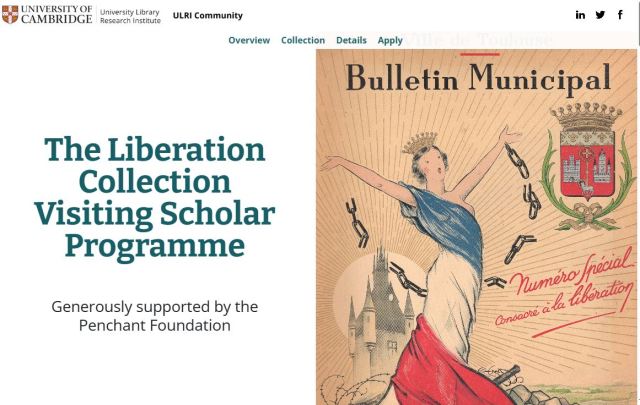
Ville de Toulouse, Octobre 1944. Liberation.a.235
Special issue of the city bulletin of Toulouse published after the liberation of the city in August 1944.
Changes to Ukraine-related bibliographic subject headings
Every month, the Library of Congress publishes new additions and changes to their subject headings (LCSH). The October 2023 list of approved changes focused on Ukraine, and this post gives a quick summary of them. They all relate to the events of 2013 and 2014 onwards, to the present day.


Continue reading “Changes to Ukraine-related bibliographic subject headings”
Donations from the Embassy of Latvia
We recently received a gift of books from the Latvian Embassy in London, some in Latvian, some in English, some in both, and all about Latvia and Latvian culture. Details are provided below, in reverse date order of publication, from 2021 to 2018.


Purposes and Limits of Visual Humour in Early Post-War France through Cambridge UL’s Liberation collection (1944-46)
We are delighted to share the new webpage designed by the University Library Research Institute (ULRI), for the AHRC-funded doctoral award on France and the Second World War, a collaborative project of the Open University and Cambridge University Library.
The PhD candidate, Sophie Dubillot, previously contributed to this blog pieces on the French résistante Madeleine Riffaud and the collaborationist Auguste Liquois; the résistant priest Père Jacques de Jésus (who inspired Louis Malle’s 1987 film Au revoir les enfants) and Julien Unger’s Le sang et l’or : souvenirs de camps allemands (1946).
Sophie is using material from the Chadwyck-Healey Liberation Collection and the abundant press of the Liberation period to examine humorous drawings in the immediate aftermath of the Second World War in France (1944-46). Her project aims to examine visual humour’s forms, functions, and limits at a time when the French had to negotiate the delicate post-war transition back to peace. Sophie’s research focuses on how humour served to redefine the French nation in the early post-war period and how different influences on the drawings encouraged or stifled particular voices.

Irène Fabry-Tehranchi
 Languages across Borders