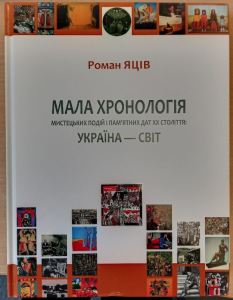
This week, a few books arrived that had been recommended by a Ukrainian postgraduate. She made a blanket recommendation for books published by Kyiv-based Osnovy Publishing, who describe their interest as being “visually engaging publications with contemporary, design-forward books on photography, art and culture” and their specialism as “art and books about architecture and cultural phenomena” (from this page).
One winner (best adapted screenplay) in the 2023 Oscars is Women talking, a film adaptation of the novel by the Canadian author Miriam Toews, a fictional response to real events that took place in a Mennonite community in Bolivia. When I first heard about this it prompted me to look into the history of the Mennonites. I was fascinated by the numerous moves groups of them had made during the last 500 years. This blog post will look at some of the main migrations during that time and also consider the Mennonites’ Low German dialect, Plautdietsch, which they have preserved across the world. The UL has a huge number of resources, both print and online, on the Mennonites, showing that their beliefs, culture and language are of great interest to researchers.
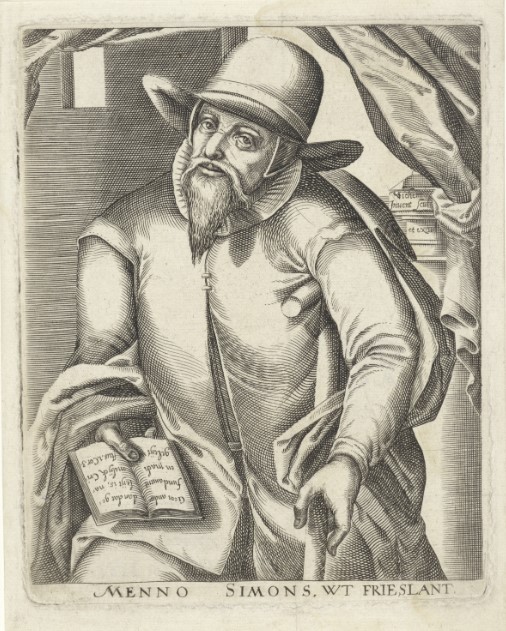
Menno Simons, picture by Rijksmuseum via Wikimedia Commons
The name Mennonite was used to refer to Dutch Anabaptists (there were others in Switzerland and Germany) and was derived from Menno Simons, a Catholic priest who turned away from Catholicism and became a leader of the Anabaptist movement in the Low Countries during the time of the Reformation (Anabaptist simply means “one who is baptised again”, referring to the belief that baptism of infants was wrong and that only adults who could knowingly profess their faith should be baptised). Mennonites in the Netherlands were regarded as heretics and were suppressed and persecuted not just by the prevailing Catholics but also by other Protestants. Continue reading “Mennonites and their many migrations”→
“Every day we wake up and hope that they will be showing Swan Lake on TV.”
The ICC arrest warrant issued yesterday for Vladimir Putin and Maria Lvova-Belova, the Russian children’s rights commissioner, for the illegal deportation of Ukrainian children may make some Russians tentatively more hopeful that Tchaikovsky’s Swan Lake will appear on their screens at some point. While the UK is alerted to serious news by non-stop all-main-channels coverage complete with news alert banners and presenters in sombre dress, Russia has traditionally been alerted to significant changes by the replacement of ordinary programmes by ballet. Continue reading “Waiting for Swan Lake : the war against Ukraine and awaiting the end of Putin”→
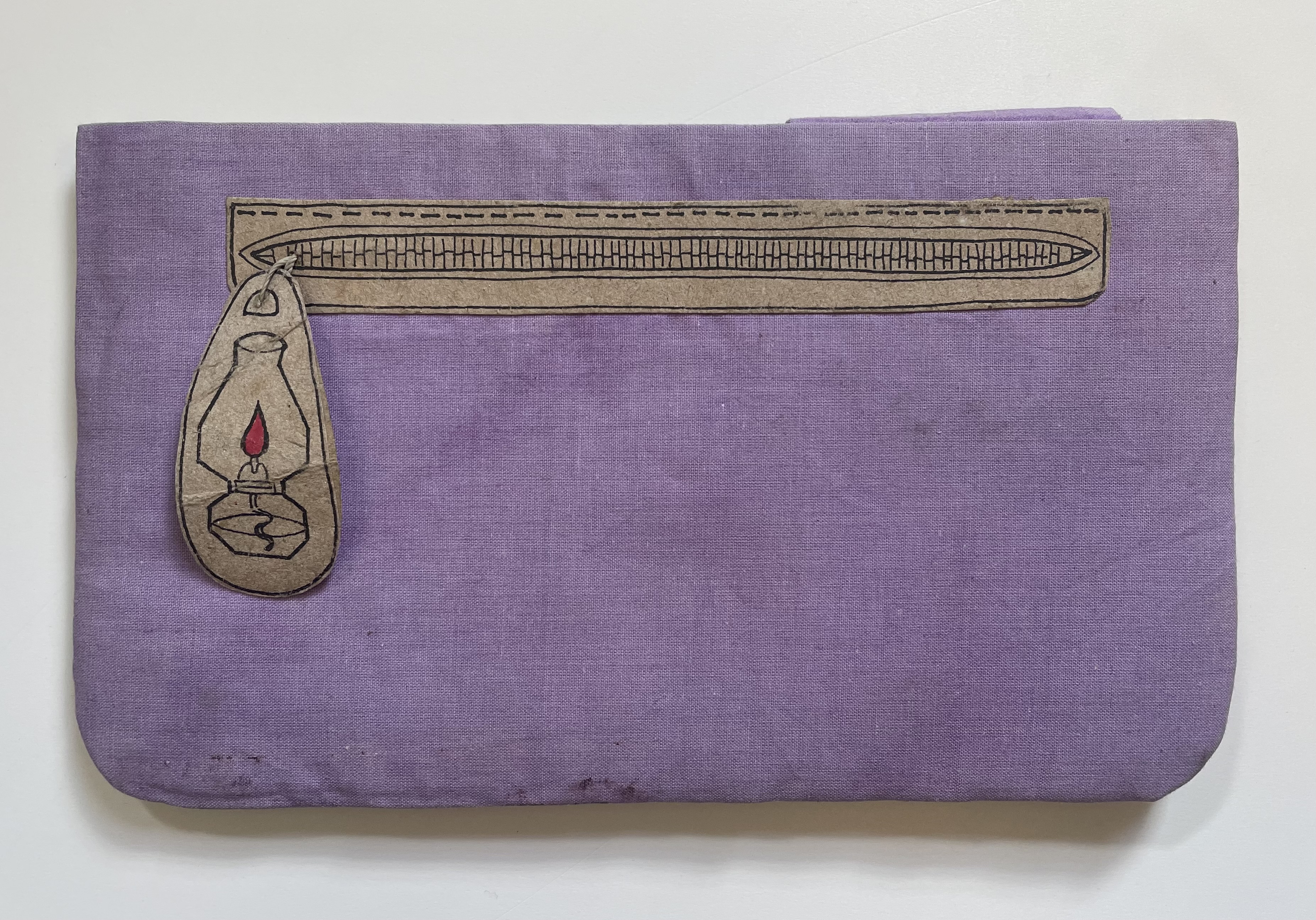
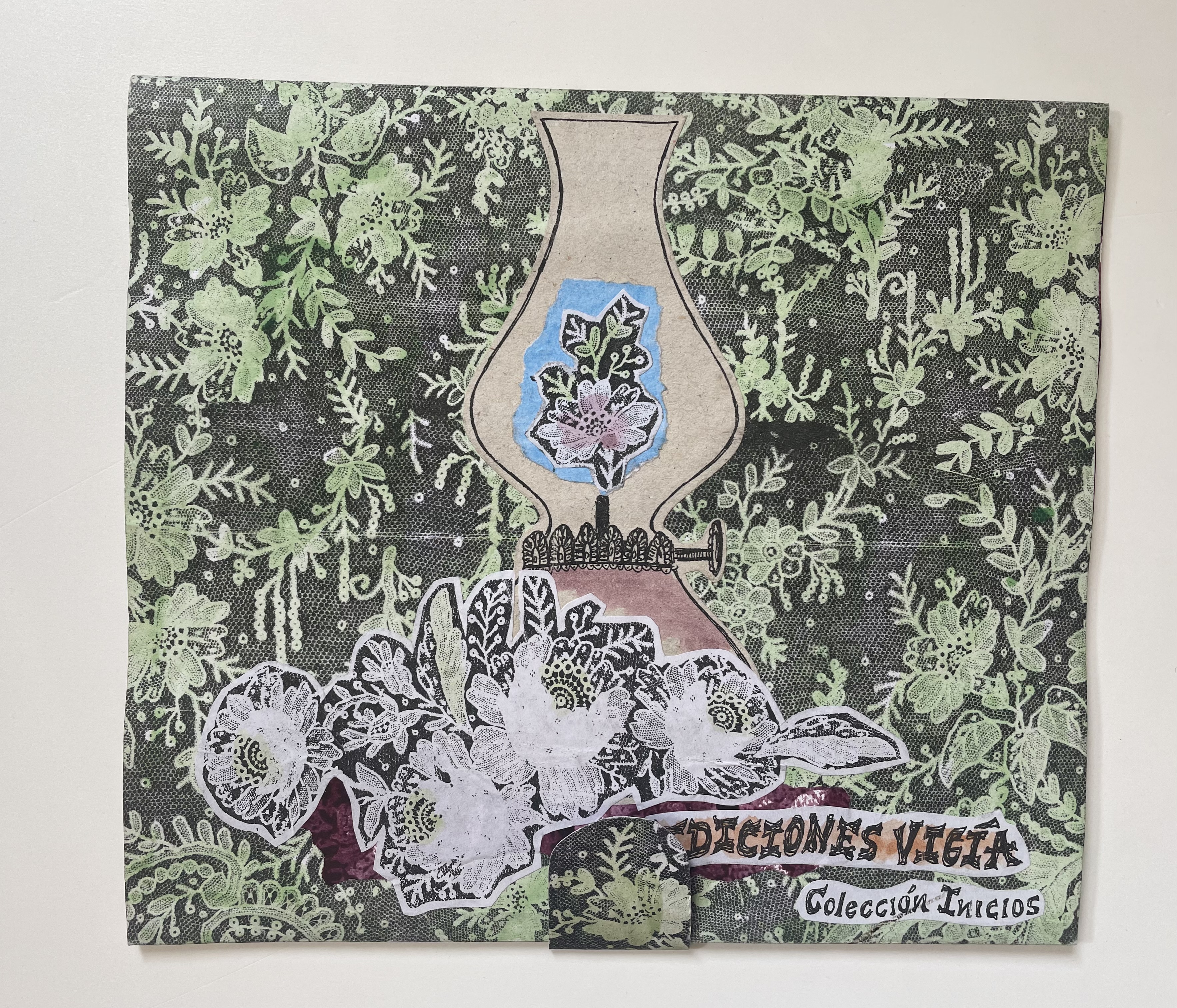
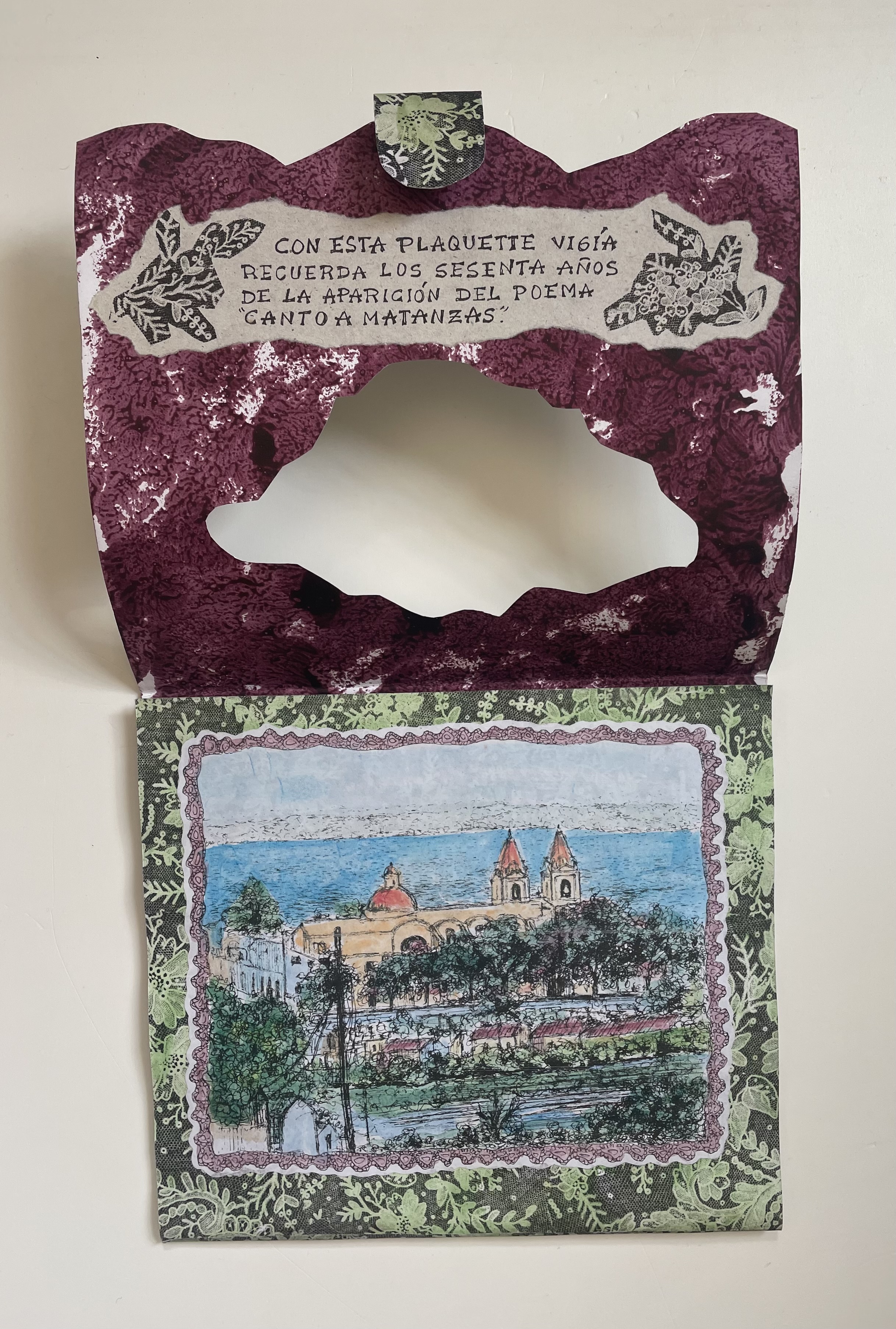
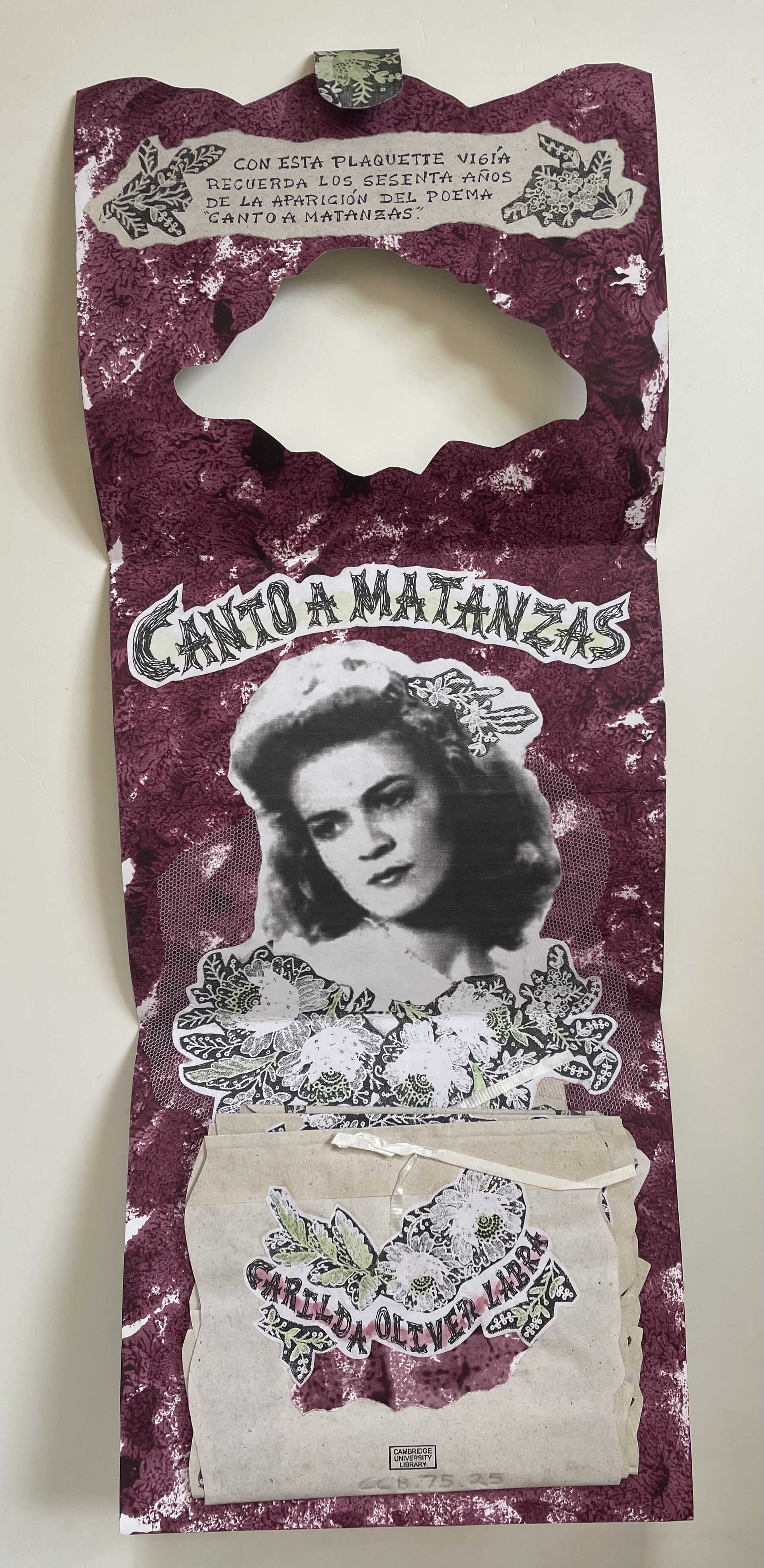
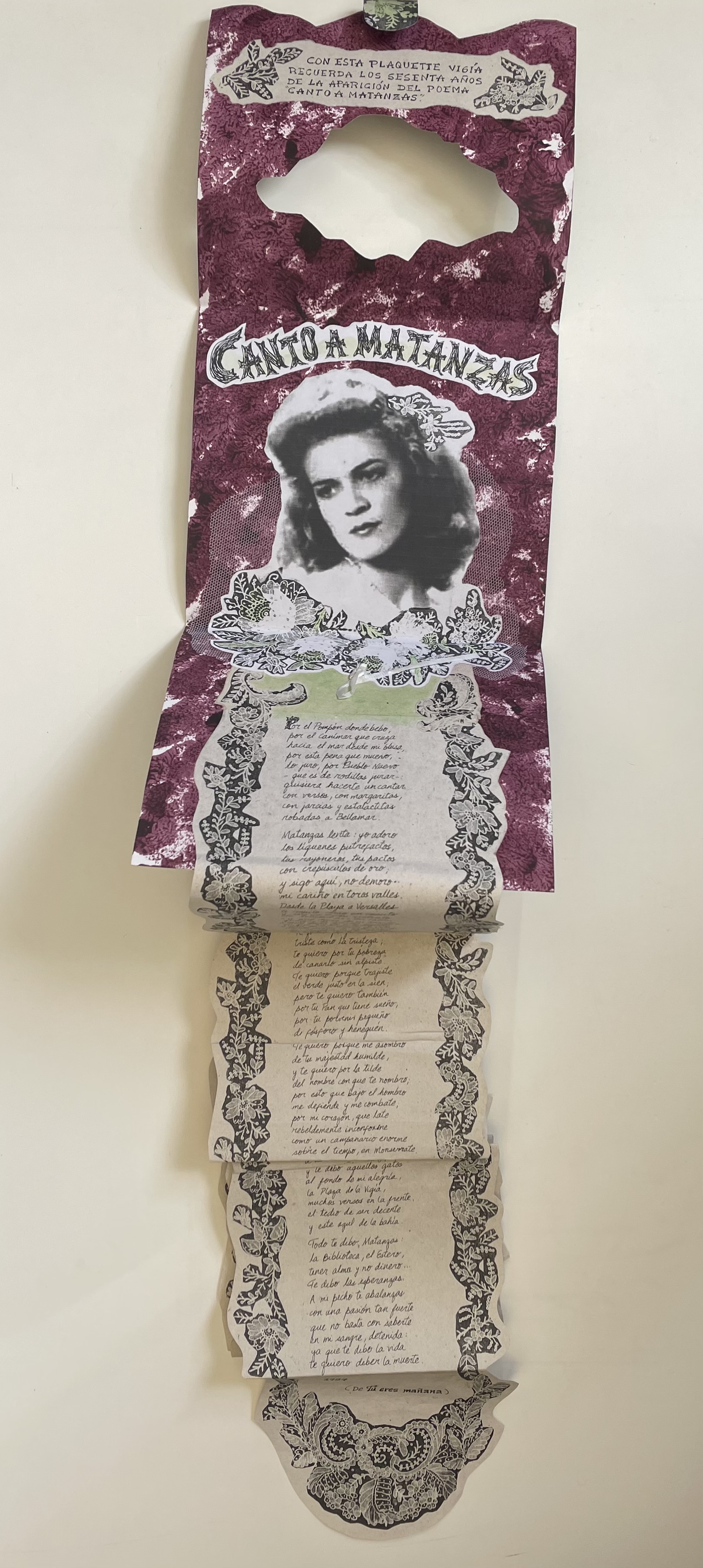
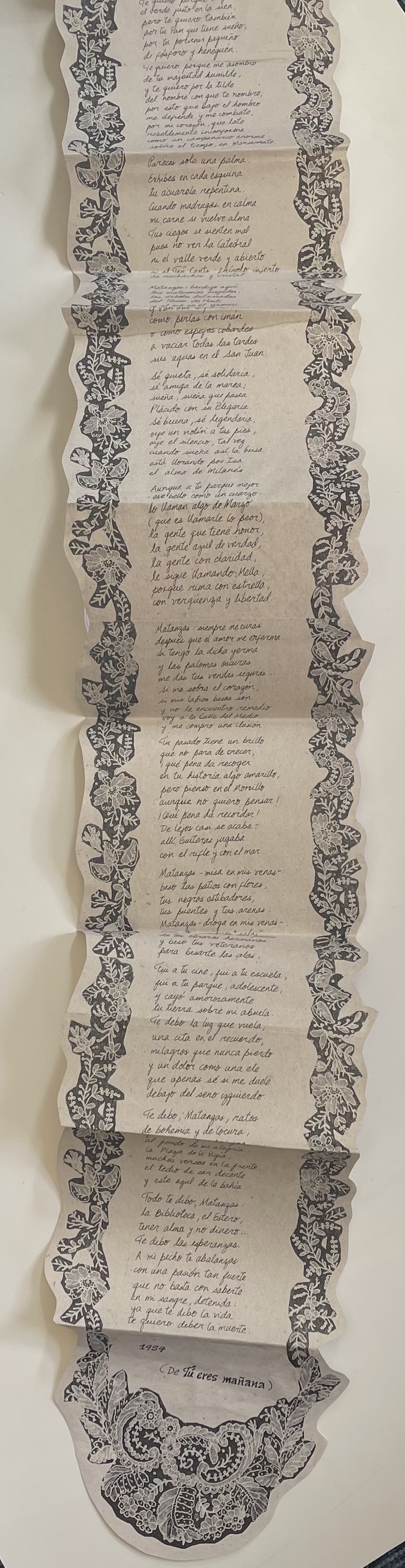
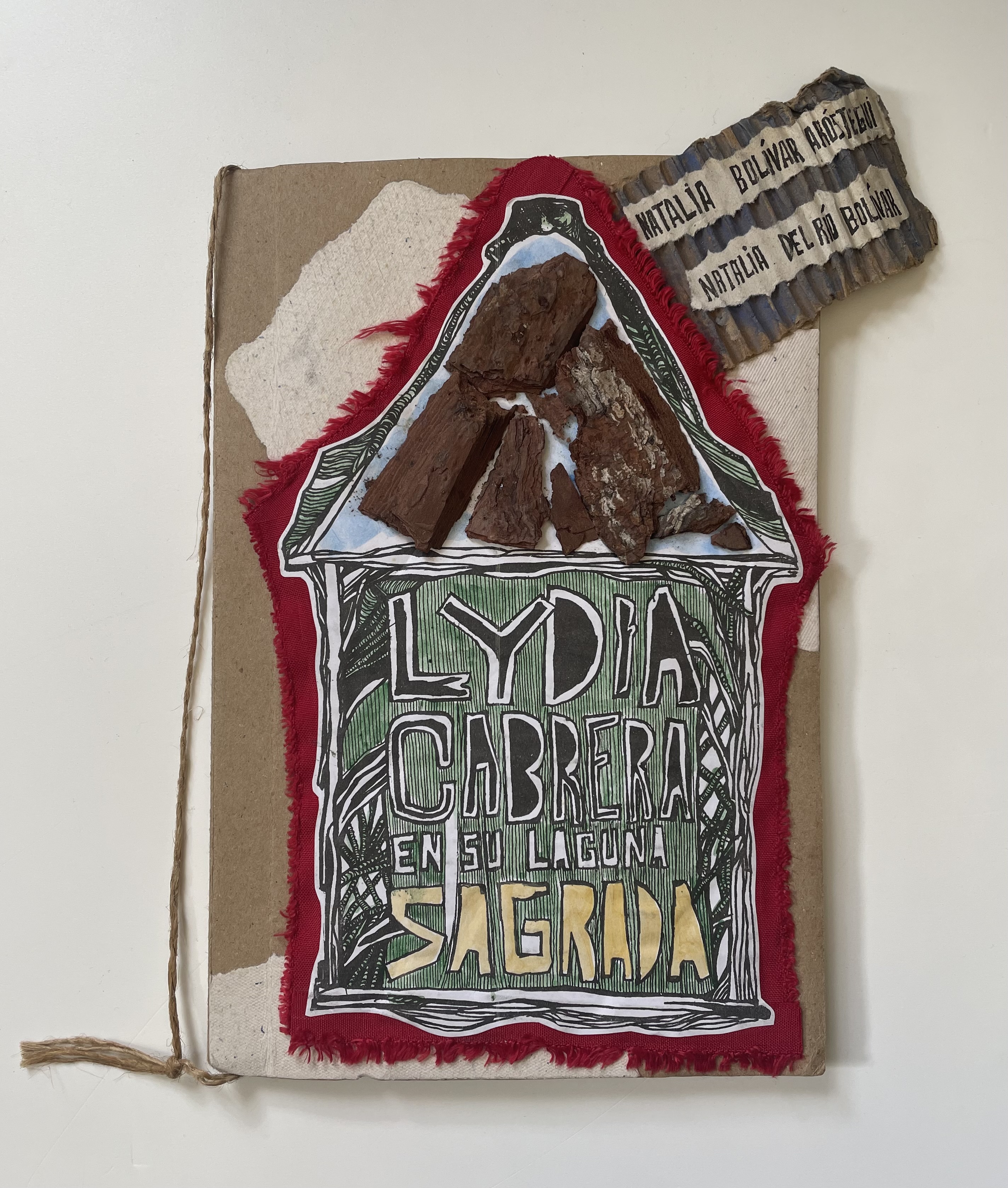
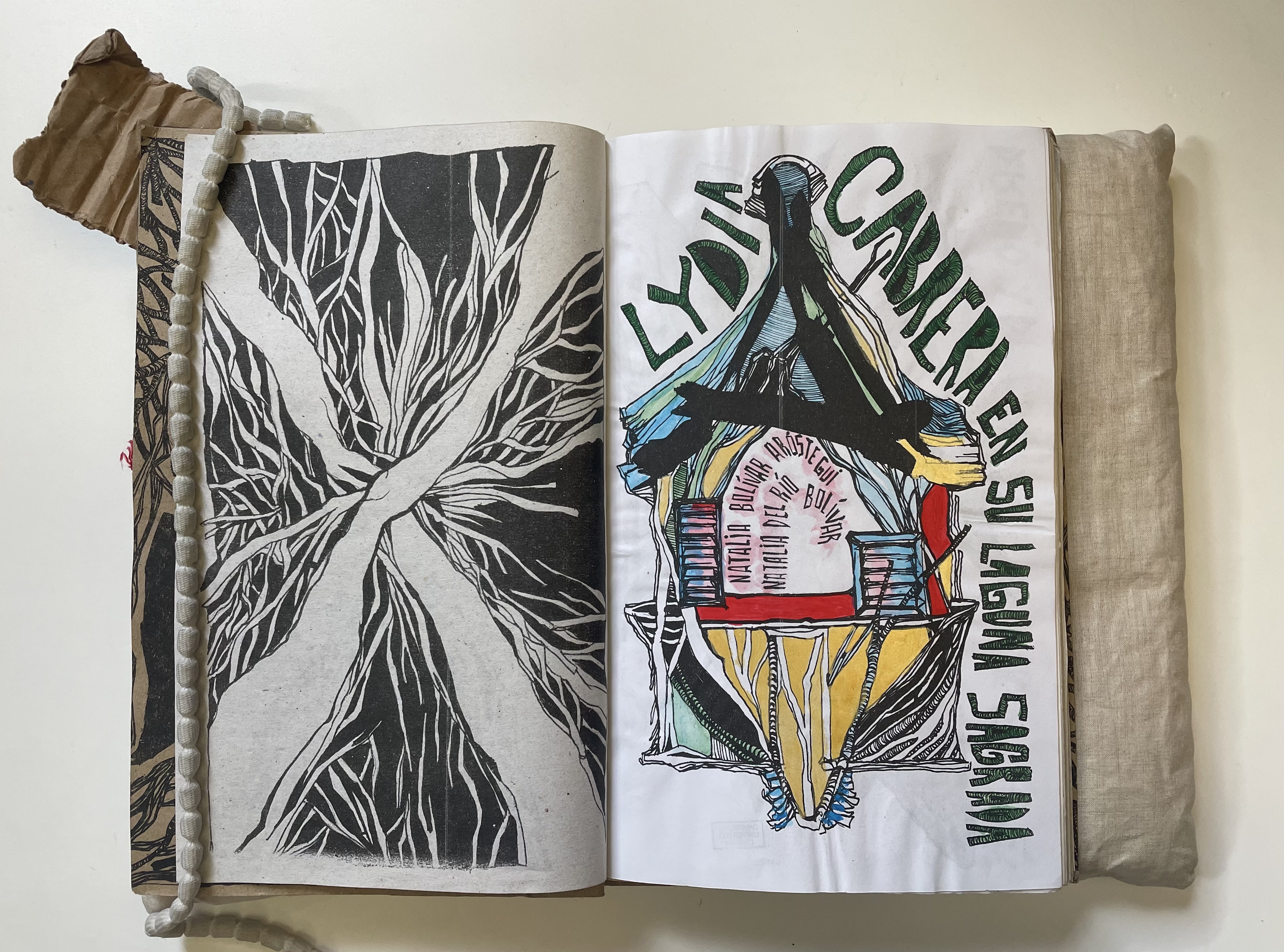
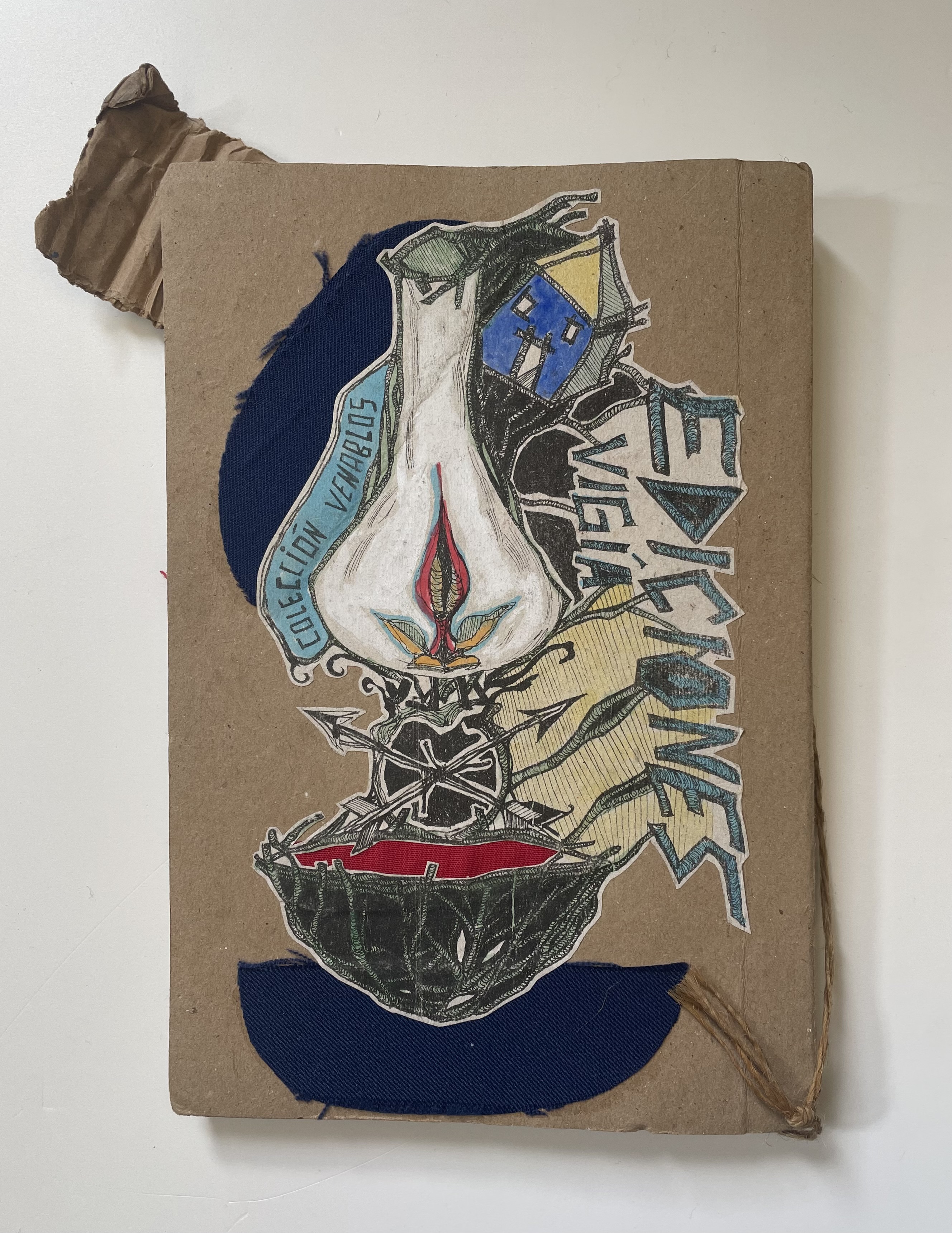
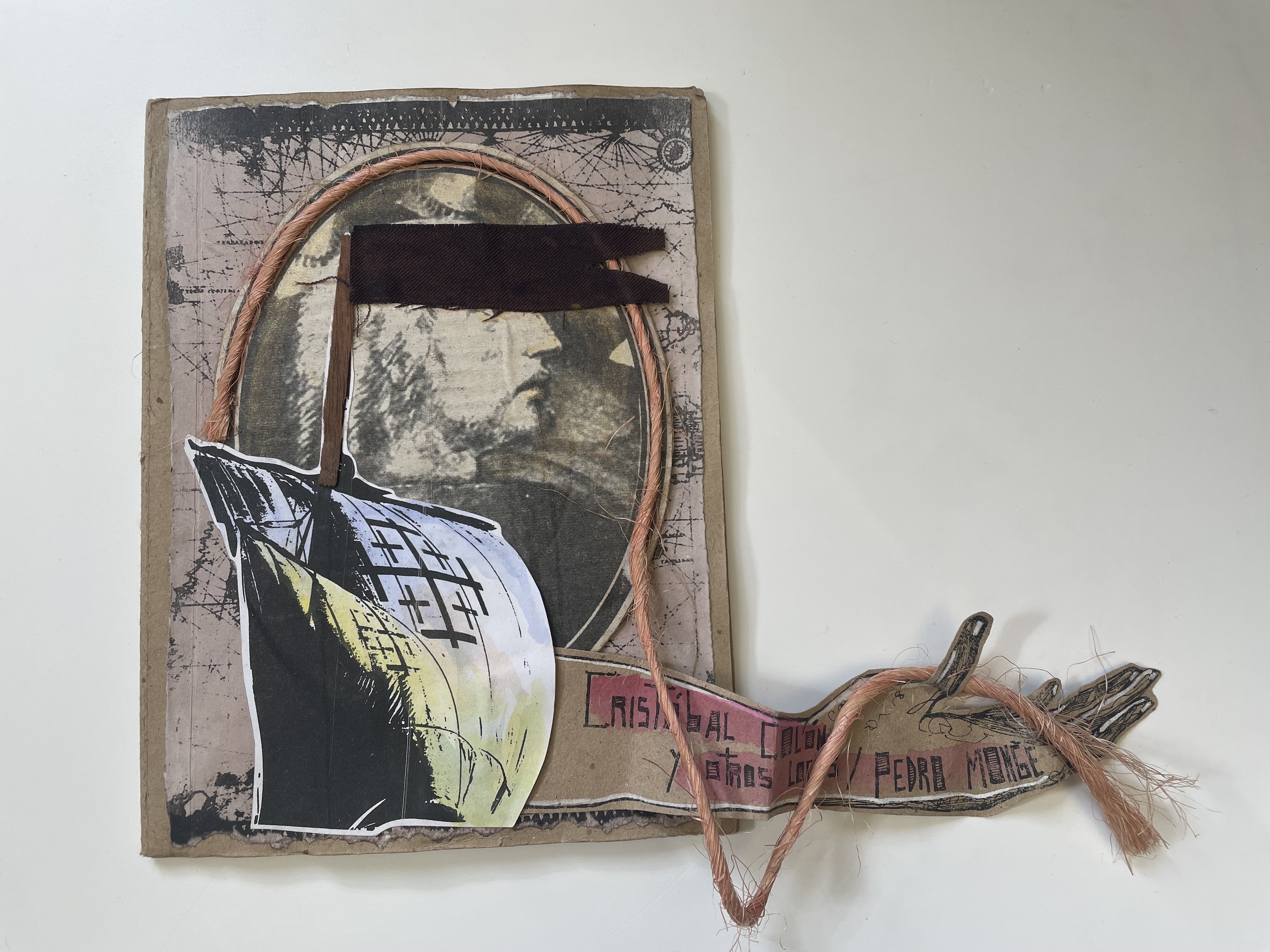
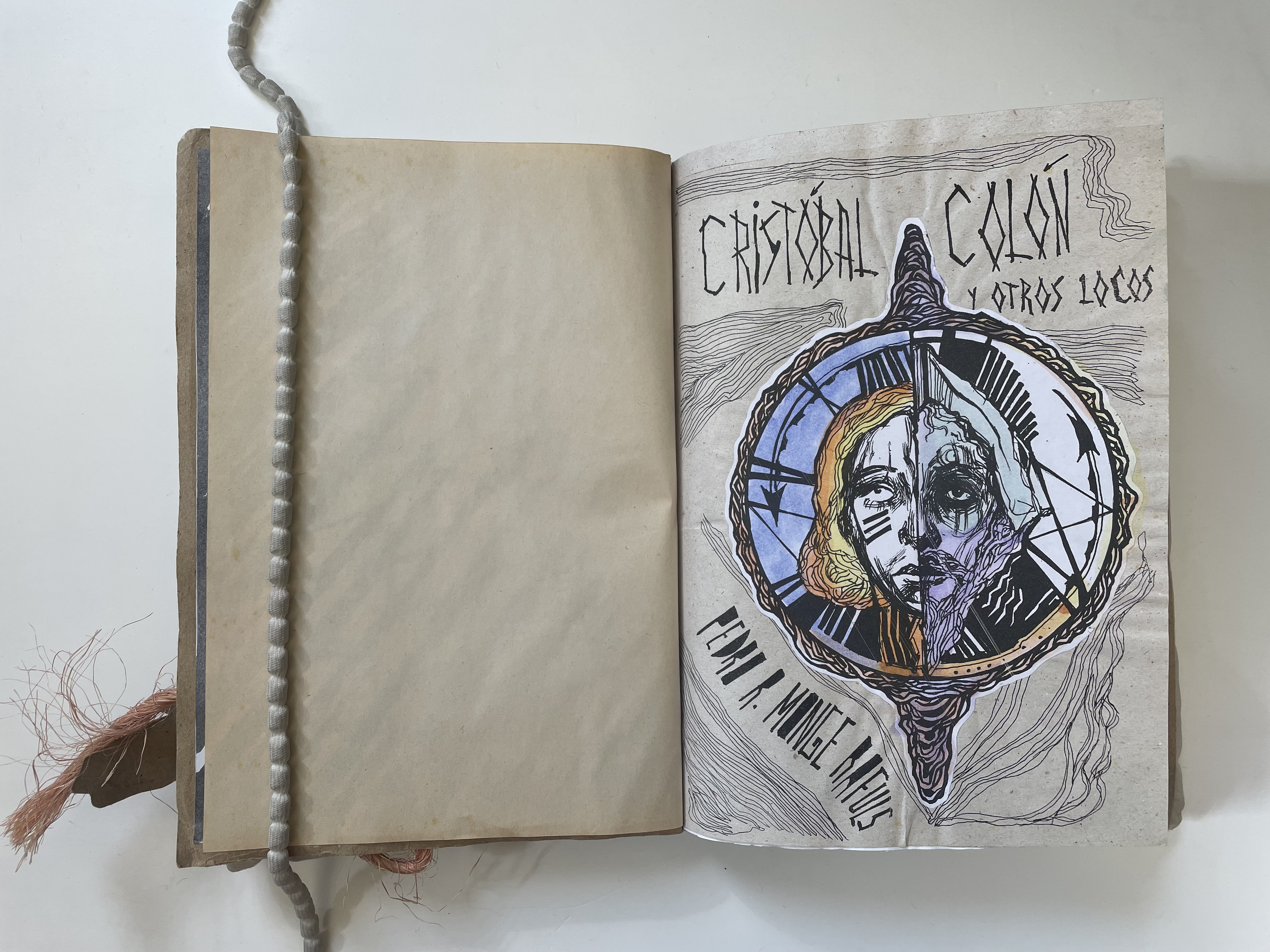
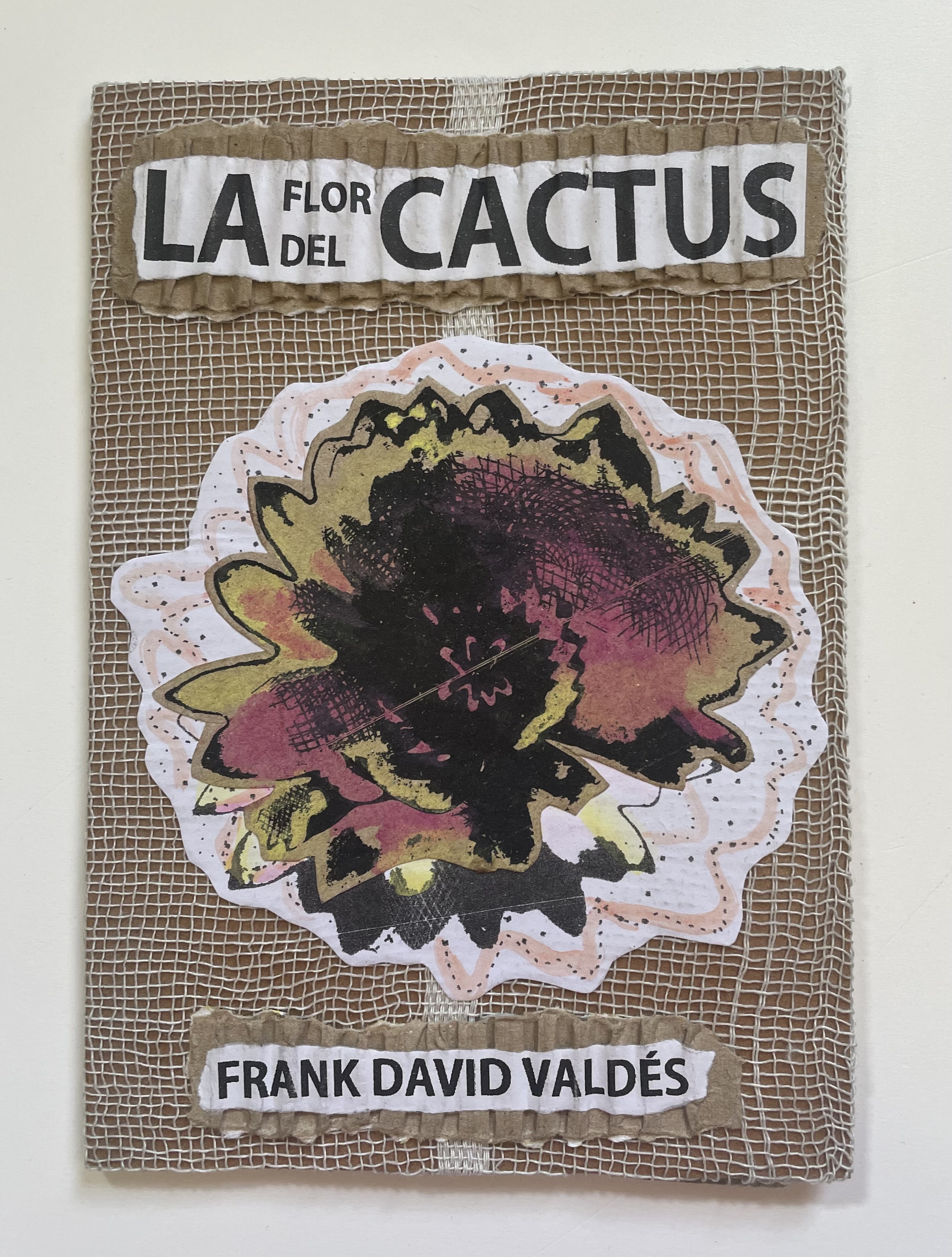
The Latin American and Iberian Collections team has recently acquired a small but utterly compelling collection of books published by Ediciones Vigía. These are beautiful and hugely imaginative hand-made artist books created in Matanzas, Cuba. Although in nature very different to the Cartonera collection we have built over the years, Vigía books also help us ask questions about the possibilities of creating and disseminating art and literature in a context of material scarcity.
A purse…
…and a book. Las memorias vacías de Solange Bañuelos, by Maité Hernández-Lorenzo (2014).
Lydia Cabrera en su laguna sagrada, by Natalia Bolívar Arostegui (2015). A rich collage made of bark chippings, cloth, cardboard, jute cord and hand-coloured paper cut-outs.
Title page. Book available at CCA.75.4. Lydia Cabrera was a renowned author and anthropologist specialised in Afro-Cuban religions.
Ediciones Vigía was founded by the poet Alfredo Zaldívar and the artist Rolando Estévez in 1985 but did not originally start as a publisher: it began as a cultural association organizing events for the local community to learn about Cuban and international authors. They would produce invitations for such events held in the then named Casa del Escritor (The Author’s House) in the Plaza de la Vigía square in Matanzas.
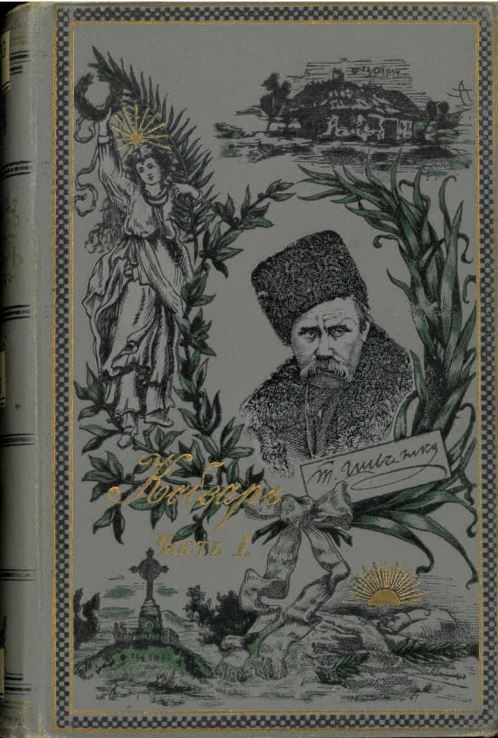
Today is Taras Shevchenko’s 209th birthday. In his fairly short life (he died one day after his 47th birthday), Shevchenko revolutionised Ukrainian literature and language and art. Our oldest Shevchenko holding is the 4-volume set of his works, published in L’viv between 1893 and 1898.
As Dr Rory Finnin of Cambridge Ukrainian Studies described in his Liberation lecture in November (full recording here), Shevchenko’s importance to Ukrainians domestically and further afield cannot and could never be overstated. Thanks to donations made to the UL over the last 12 years, we have a rich collection of émigré Ukrainian books dating in particular from post-WW2 migrant communities. Here are the earliest 1945- Ukrainophone Shevchenko editions from South America, North America, and Western Europe: Continue reading “Early diaspora Shevchenko editions in the University Library”→
We previously published a blogpost about Cambridge University Library’s French acquisitions in relation to Women’s History Month. For International Women’s Day, we would like to shed light on three inspirational women featured in recent French language publications. Marie-Claude Vaillant-Couturier was a photographer, a Communist and a resistante. Uyaïnim was a member of the Jivaroan peoples in Peruvian Amazonia who fought for indigenous and women’s rights, and Nina Bouraoui is a Franco-Algerian writer whose works address question of identity and homosexuality.
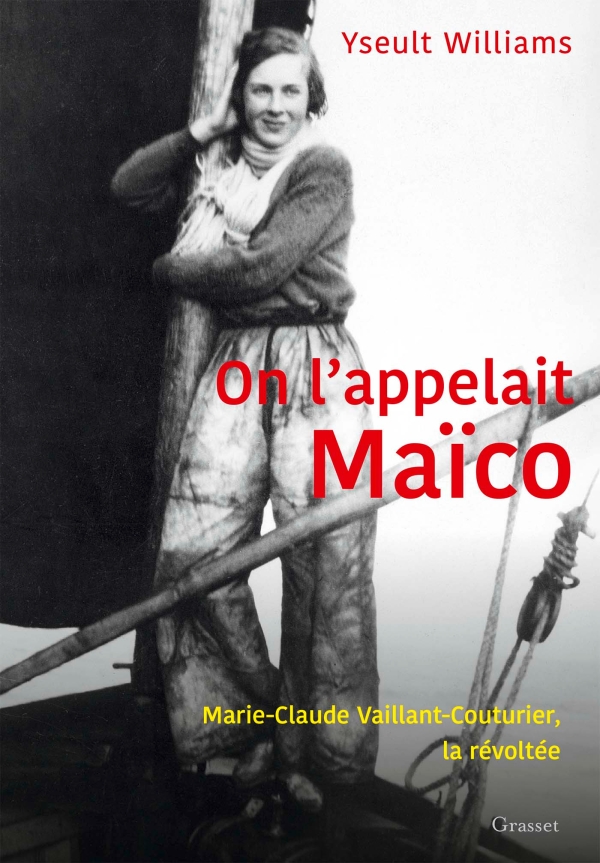
Marie-Claude Vaillant-Couturier was a reporter and photographer, a resistant and Communist politician. She came from a liberal bourgeois family, daughter of Lucien Vogel, editor of the magazine Vu, and of Cosette de Brunhoff, sister of the creator of Babar and of the editor of Vogue. A pioneer woman photographer, she travelled to Germany in 1933 and was the first to photograph the camps of Oranienbourg and Dachau. She met a friend of her father, Paul Vaillant-Couturier, editor of communist newspaper L’Humanité, and became his partner, marrying him shortly before his death in 1937. During the war, she contributed to clandestine publications and worked as a messenger for the resistance. She was arrested in 1942 and deported to Auschwitz-Birkenau and then Ravensbrück. She returned to France in June 1945, testified at the Nuremberg trials in 1946 and became a Communist member of parliament. She has been the subject of two biographies :
Marie-Claude Vaillant-Couturier : une femme engagée, du PCF au procès de Nuremberg / Dominique Durand, Balland, 2012.
On l’appelait Maïco : Marie-Claude Vaillant-Couturier, la révoltée / Yseult Williams, Bernard Grasset, 2021. C206.d.8481
Uyaïnim, or Albertina Nanchijam Tuwits, from the Awajun / Aguaruna people (part of the Jivaroan peoples) in Peruvian Amazonia, became a spokeswoman for indigenous rights and the defense of women. Her memoirs are written through a collaboration with ethnologist Hélène Collongues. They speak of years of pressure put on the land and Amazonian indigenous people by the farmers and colonisers; the suspicion towards and failure of development projects; as well as the discrimination and deculturation faced by native people through educational missions. The narrative also exposes issues within patriarchal indigenous societies, from internal divisions and warfare to exploitation of and violence against women, also highlighting the corruption brought by the introduction of money and greed within these communities.
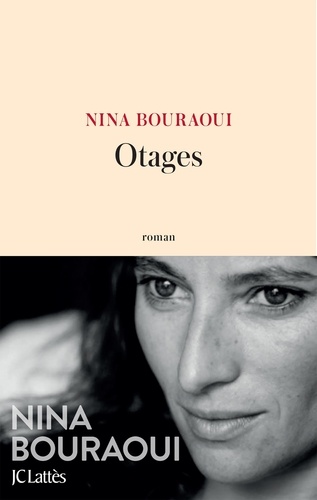
Nina Bouraoui was born from an Algerian father and a Breton mother. Her novels deal with questions of memory, identity, homosexuality, and nostalgia for Algeria, where she lived until she was a teenager. She was distinguished as Commandeure de l’ordre des Arts et des Lettres by the French ministry of Culture in 2018, and since the 2010s has been the subject of a number of critical studies.
Selected novels:
Beaux rivages, JC Lattès, 2016, C204.d.9787
Tous les hommes désirent naturellement savoir, JC Lattès, 2018, C206.d.1617 (All men want to know / Nina Bouraoui ; translated by Aneesa Abbas Higgins. London : Viking, 2020 & 2021, LSF)
Otages, JC Lattès, 2020, C206.d.6938
Satisfaction, JC Lattès, 2021, C206.d.7485
Critical studies :
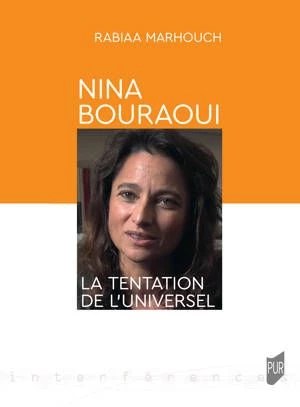
Rabiaa Marhouch. Nina Bouraoui : la tentation de l’universel. Rennes, Presses universitaires de Rennes, 2023, 739:47.c.202.1
Belgacem Belarbi, Nina Bouraoui, une nouvelle sensibilité littéraire, Sarrebruck, Editions Universitaires Européennes, 2022, C219.c.4993
Myriam-Naomi Walburg. Zeit der Mehrsprachigkeit : literarische Strukturen des Transtemporalen bei Marica Bodrožić, Nina Bouraoui, Sudabeh Mohafez und Yoko Tawada. Würzburg, Ergon Verlag, 2017, C213.c.7656
Rosie MacLachlan. Nina Bouraoui, Autofiction and the search for selfhood, Oxford ; New York, Peter Lang, 2016, 735:44.c.201.92
Kirsten Husung. Hybridité et genre : chez Assia Djebar et Nina Bouraoui, L’Harmattan, 2014, C209.c.4543
Mokhtar Atallah. Études littéraires algériennes : Albert Camus, Nina Bouraoui, Boualem Sansal, Ahmed Kalouaz, L’Harmattan, 2012, C207.c.1905
We are delighted to announce Cambridge University now has full access to “le site de presse de la BnF”, Retronews.
Cambridge students and academics have been interested in Retronews since its inception in 2016, but with full subscription access now following a successful extended trial at the end of 2022, our insights into centuries of French history may now deepen and flourish.
Retronews subscription provides access to the full, unabbreviated versions of the articles plus long-form research articles. The earliest title, La Gazette de Theophraste Renaudot, dates back to 1631. Retronews adds newly digitized archives to the site each week and Cambridge now contributes to fund the growth of the digitization. The majority of the newspapers were published between 1881 (the passing of press freedom law) and…










 Languages across Borders