Ukraine and anti-war Russians in ‘Novaia Gazeta’

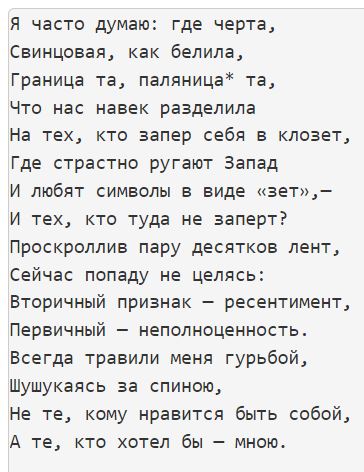
The first stanza of Bykov’s poem.

Subscribers to this blog will have seen a reblog earlier in the week from the CUL Electronic Collections Management site announcing access to the Russian-language newspaper Novaia Gazeta.

The Russian war against Ukraine was not only the focus of the paper in its final weeks in Russia before it closed but of course also the reason for its closure, as Russian governmental pressure relating to the so-called “special military operation” made it impossible for the newspaper to perform its duties properly.

The paper appears three times in our A-Z databases list (all three here) because East View, the platform via which we have access, provides the years 1994-2021 as a single digital archive, while providing access to the first few months of 2022 as another, and the new Europe edition as a third.  The Europe edition started in Riga in early May, while the last Russian edition appeared in late March, a few days before the atrocities committed in Bucha were revealed.  The latest horrors, including the torture of a Ukrainian POW, are now covered in the most recent Europe issue (but note that an ’18+’ tag is applied to articles with distressing images – take the warning seriously). Continue reading “Ukraine and anti-war Russians in ‘Novaia Gazeta’”

New e-resource: Novaia Gazeta Digital Archive

ejournals & databases services's avatarejournals & databases services

Cambridge University Libraries are delighted to announce the acquisition of the Novaia Gazeta Digital Archive and a new subscription to the paper’s new Europe edition

The text about Novaia gazeta below is provided by East View, but the description predates Russia’s full-scale invasion of Ukraine in February 2022. It therefore does not reflect the closure of the paper in Russia in March 2022 following government pressure to curb its frankness about the war nor the paper’s re-appearance in May 2022 as a separate Europe edition.

About The Collection

Novaia gazeta (Новая газета, The New Newspaper) is a popular independent Moscow newspaper known for critical investigative reporting, working to expose corruption, abuse of power and violation of laws amongst the government and main financial structures of modern Russia.

Launched in 1993, the newspaper has published under the title of Novaia ezhednevnaia gazeta (Новая ежедневная газета, The New Daily Newspaper)…

View original post 146 more words

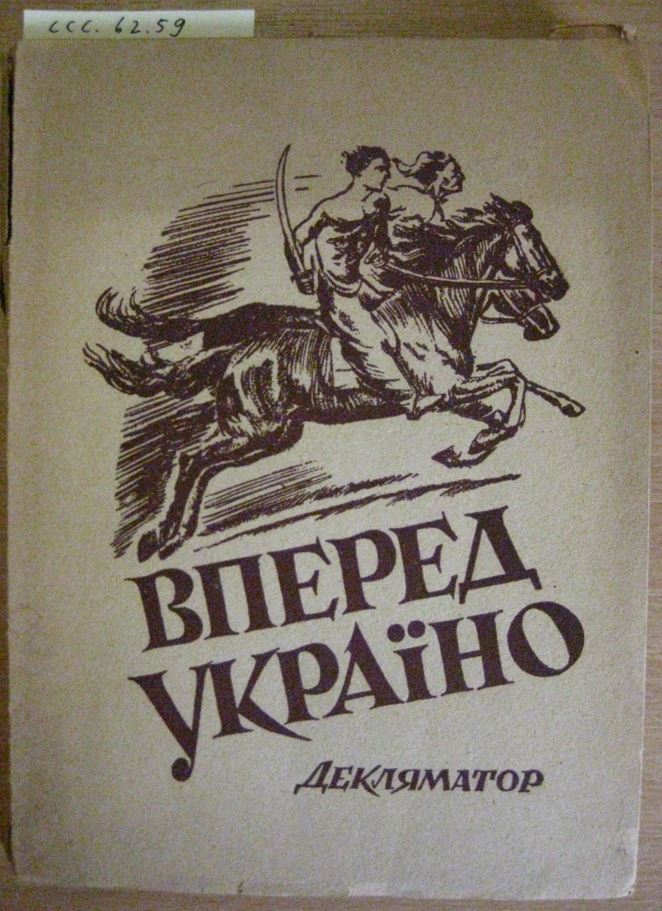
Vpered, Ukraïno! = Forward, Ukraine!

This brief blog post looks at a publication produced in France which we hold in the Library in the Peter Yakimiuk collection.

Vpered, Ukraïno! (note the vocative form of the country name) was published in Paris by the group Ukrainian National Unity in France, in their Library of Self-Enlightenment, and describes itself in its sub-title as a narodnyĭ deklamator, a folk reciter.

The book contains Ukrainian poems by Taras Shevchenko, Ivan Franko, Oleksander Olesʹ, and many more.  Lesi︠a︡ Ukraïnka (1873-1913) has the greatest number of poems in the compilations.  Brief biographical notes of the authors follow the body of poems, and looking at these more closely today, I see that the approximate date of publication given to the book (1945) must be wrong – the writer Leonid Mosenda’s entry refers to his death in 1948 – so I will update it it in the catalogue now.

The book has come up in connection with preparations for a small exhibition we hope to curate in the autumn with the local Cambridge refugee community – more details when we know them! – which will celebrate Ukrainian culture and history.  The cover is fairly eye-catching, but it’s the encouragement of the title that understandably attracts us in 2022 as Ukraine fights on.  Vpered, Ukraïno!

Mel Bach

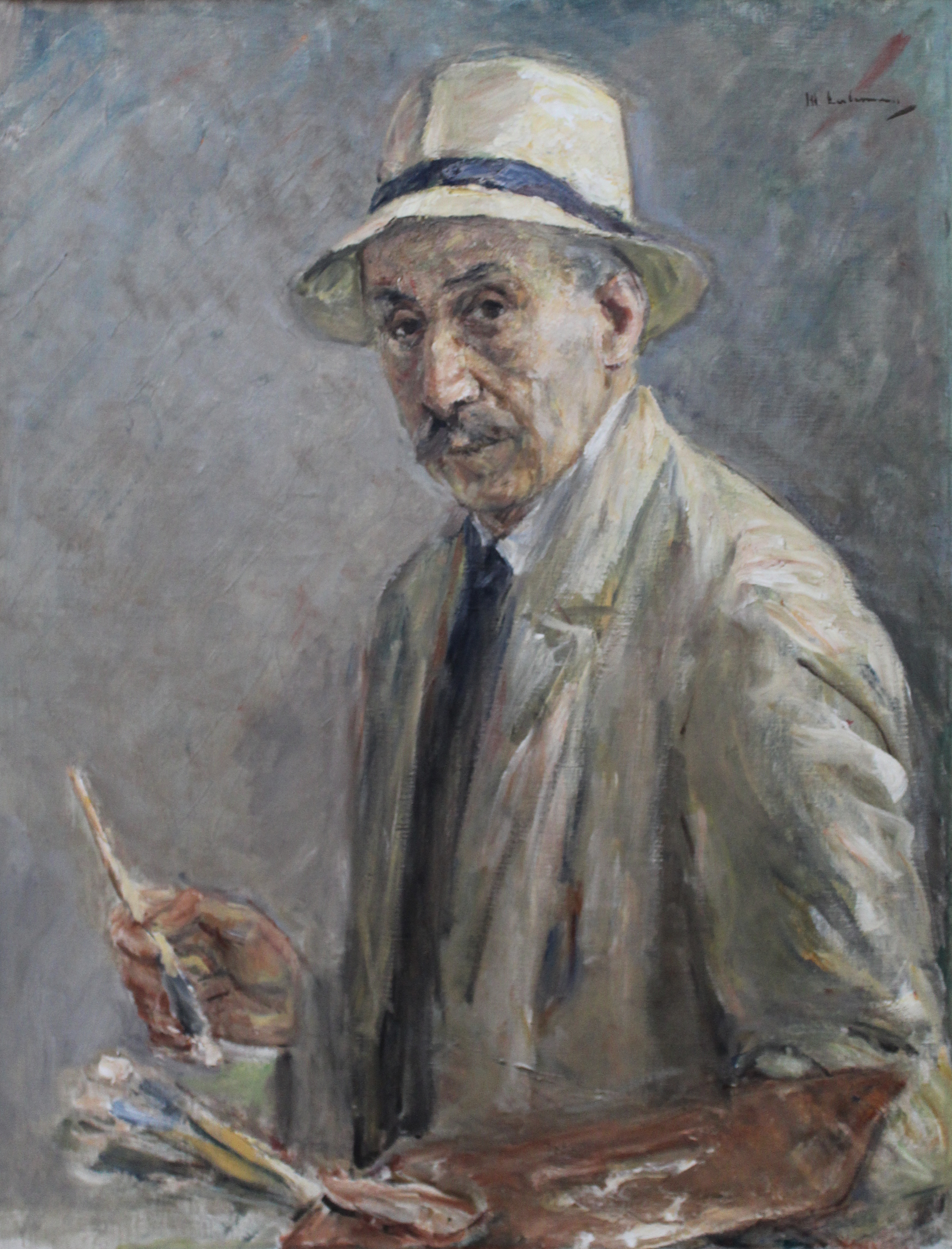
Max Liebermann – modern master 

Self-portrait (source: Wikimedia Commons)

175 years ago, on July 20, 1847, the famous artist Max Liebermann, regarded as the pioneer of modernism in Germany, was born in Berlin.  After realist beginnings, influenced by the School of Barbizon which he encountered during a stay in Paris from 1873 to 1878, he became a master impressionist finding inspiration in beer gardens, café terrasses, gardens and parks. Portraits form a considerable part of his oeuvre too, including the creation of fascinating self-portraits throughout his career. Today his paintings can be found in all the major museums around the world.

Continue reading “Max Liebermann – modern master “

A couple of Ukrainian music titles

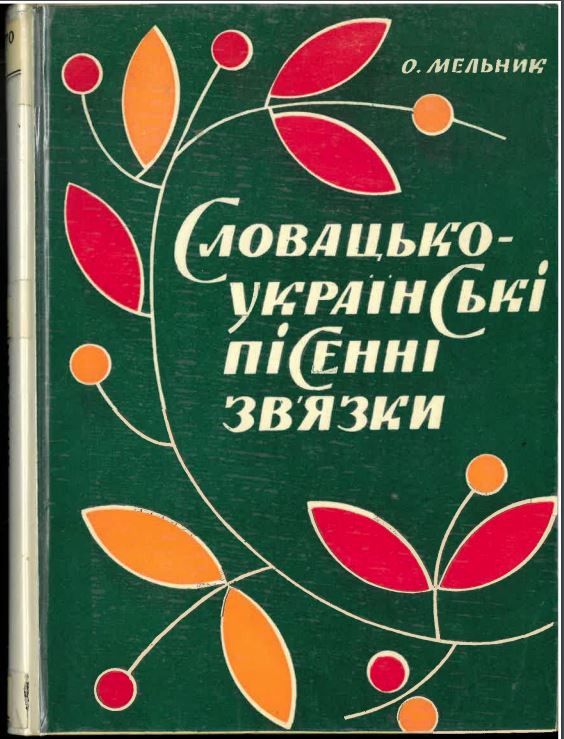
The week before last, I wrote about a small guide to the Museum of Ukrainian Culture in the Slovak village of Svydnyk.  Today, I bumped into two related books, one of which needed a major overhaul of its catalogue record.

Slovat︠s︡ʹko-ukraïnsʹki pisenni zv’i︠a︡zky (Slovak-Ukrainian song links/connections), written by Oksana Melʹnyk and published in 1970, even had a typo in its first three letters, with SLO provided as SOL. Continue reading “A couple of Ukrainian music titles”

Francia Márquez, the first Afro-Colombian vice-president

On 19th June 2022, after a second round of voting, the Colombian people elected their first ever left-wing government, led by Gustavo Petro, with Francia Márquez as vice-president, the first ever Afro-Colombian and only the second woman to hold the position. In this post, we will focus on this trailblazing woman, who studied Law specifically to be prepared to defend the rights of her people, and on the context that led her and her country to this new chapter in their history.

Francia Elena Márquez Mina was born in 1981 in Yolombó, in the Cauca Department on the West coast of Colombia, one of the areas of the country where enslaved populations from Africa have lived since the 17th century. Traditionally in this region, Black slaves were forced to work in gold mining, sugarcane plantations and cattle ranches. To this day, the impact of exploitatative and extractivist practices on peoples, territories and resources in the region are still painfully relevant and have been part of Francia Márquez’s life experience since her earliest formative years, which would lead her to become a committed activist from the age of 17 years old. This life experience remains the basis of her politics, as she makes the move from activism to mainstream politics. Continue reading “Francia Márquez, the first Afro-Colombian vice-president”

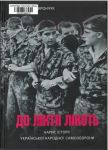
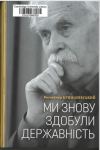
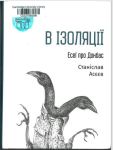
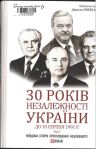
New Ukrainian books about the world before 2022

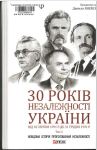
To our joy, several boxes of Ukrainian books were received recently from our supplier.  They are largely publications from 2020 and 2021, so the 2022 full-scale invasion of the country by Russia is not yet reflected.  That said, some of these new arrivals are of course books about the state of post-Soviet Ukrainian politics and history, Ukrainian-Russian relations, and the events of 2014 onwards.  A selection of such titles, newly in the catalogue, is briefly described below.

Continue reading “New Ukrainian books about the world before 2022”

The Fritz Möser collection: outstanding 20th century linoprints

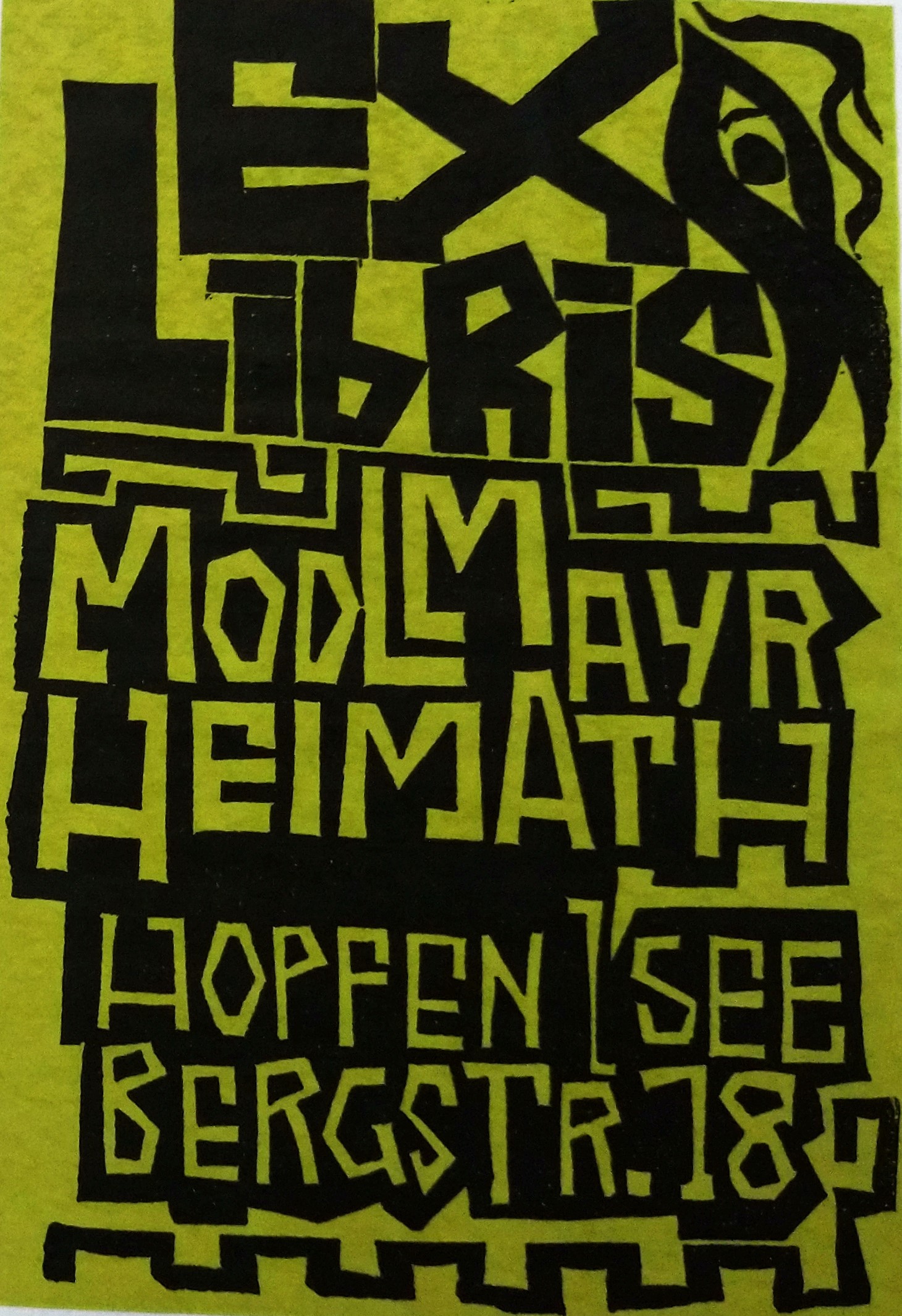
Bookplate in CCC.61.137

Finishing touches are being put to the processing of the Fritz Möser donation, a long-term project that we have returned to when our department’s capacity has allowed. This is a collection of the graphic work of artist Fritz Möser (1932-2013) and was donated by Hans-Jörg Modlmayr and his wife Hildegard Modlmayr-Heimath who both taught in the German Department of Cambridge University between 1969 and 1973. The collection comprises more than 40 sets of large-scale linoprints, all in limited editions, more than 200 private press books, more than 30 issues of the literary magazine Wegwarten and 15 examples of annual calendars. This blog post will showcase a selection of Möser’s striking and beautiful artwork.

This slideshow requires JavaScript.

Covers of the annual calendars in our collection (CCA.61.8-22) Continue reading “The Fritz Möser collection: outstanding 20th century linoprints”

Slovakia’s Museum of Ukrainian Culture

The Ukrainian-Slovak border is 60 miles long and lies largely in the Carpathians.  Communities near the border on both sides often reflect in their demographics the ethnic history of the area, with Ukrainians, Slovaks, and Rusyns present.  There are also more institution-based signs of this diversity; another 60 miles or so on the Slovak side of the border is the village of Svidník (Свидник/Svydnyk in Ukrainian), where the Museum of Ukrainian Culture is to be found.

Continue reading “Slovakia’s Museum of Ukrainian Culture”