New French ebooks resource!

The past year, with its challenges of library closures and restriction of movement, has highlighted for us all the importance of remote accessibility to library collections and the benefits of e-resources. Traditionally, French-language ebooks have been harder for institutions like the UL to procure, as our established ebook suppliers primarily focus on English-language material. Most French publishers individually provide their own online resources without institutional access, and where ebooks are made available they are often unfeasibly more expensive to purchase than the print equivalent. As a result, the UL’s French-language acquisitions, up to now, have had to rely heavily on printed editions.
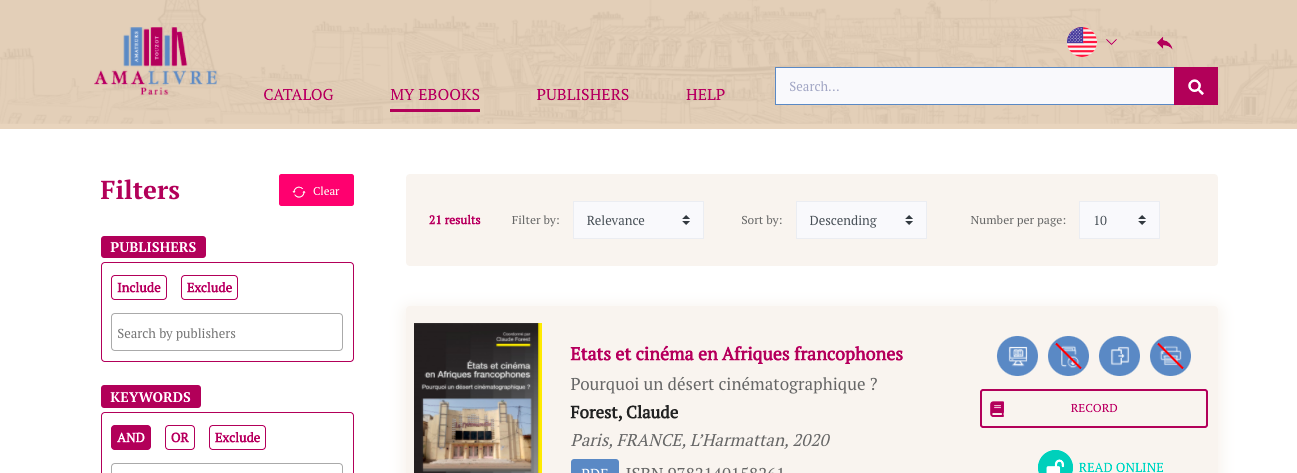
In the last month, however, French book supplier ‘Amalivre’ has launched its own ebooks platform, offering a wide selection of material from over 70 publishers, such as L’Harmattan, Honoré Champion and CNRS! All of the available publications currently permit unlimited readers to access them at once and from anywhere in the world, provided the user is logged into iDiscover.

Continue reading “New French ebooks resource!”
Uncovering Official Publications

Some of the OP class catalogues.

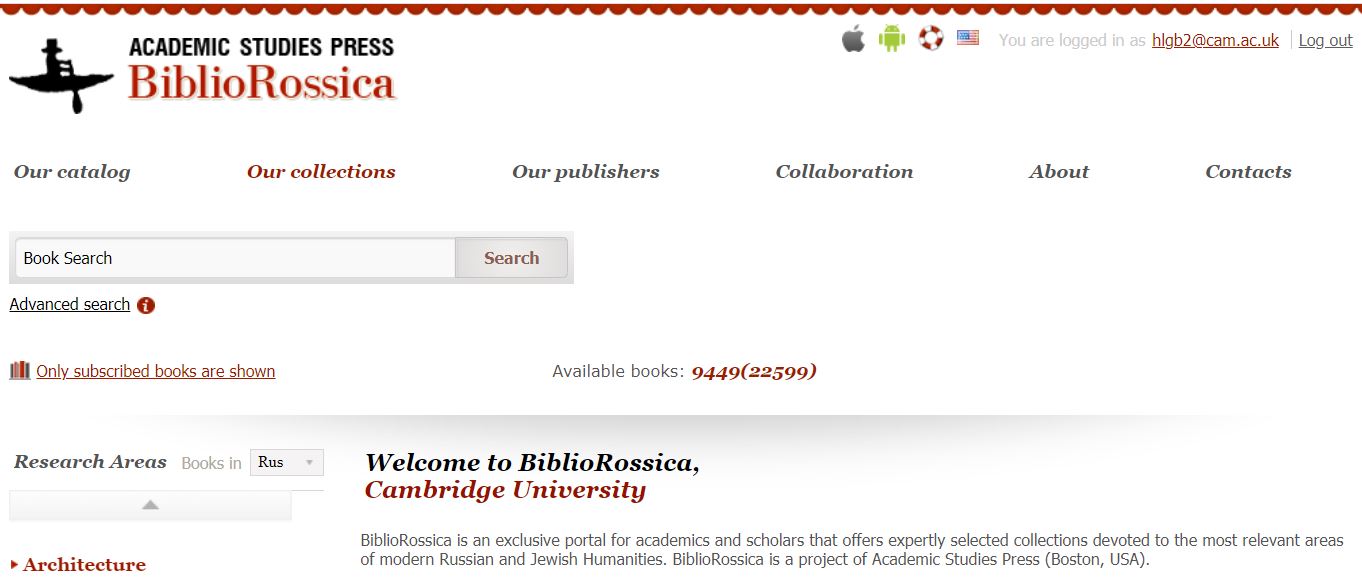
One of the rare bright notes of the lockdowns has been the chance to embark on projects that we would otherwise have struggled to find time to do.  Chief among these has been our department’s retrospective conversion cataloguing of some Official Publications (OP) material.  The collection contains governmental publications from around the world, and the lion’s share of this enormous collection can be tracked down only through the subject-led OP card catalogue in the Rare Books Reading Room. Continue reading “Uncovering Official Publications”

Beuys 100

From Wikimedia Commons

One hundred years ago, on May 12, the artist Joseph Beuys was born. Through his radical redefinition of sculpture and art more generally and his spectacular performances he became one of the most famous artists of the second half of the 20th century. He developed his concept of the extended art work which led him to become a politically engaged artist working with and for the Green Party.

The 100th birthday of Joseph Beuys is being celebrated with numerous exhibitions and events worldwide. The state of North-Rhine Westphalia in Germany has put on a particularly rich programme, understandably so as Joseph Beuys was born in Krefeld and spent most of his life in Düsseldorf, the second largest city in North-Rhine Westphalia, where he taught at the art academy. I wonder what Beuys would have made of these state sponsored celebrations given that he was a provocateur and questioner of authority. Continue reading “Beuys 100”

The Ship of Fools: an early printing sensation

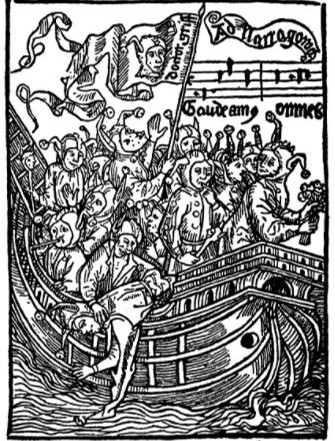
Next week will mark the 500th anniversary of the death of Sebastian Brant (1458-1521), best known for his 1494 Das Narrenschiff (The Ship of Fools). This moral satire consisted of 112 chapters, each presenting a different fool and representing various examples of 15th century folly, all on a ship destined for the fictitious “fool’s paradise” land of Narragonia. While highlighting foolish behaviour of the time, Brant hoped to encourage his readers to recognise their own failings and to mend their ways. The first edition was printed in Basel by Brant’s friend Johann Bergmann von Olpe and crucially, at a time when few could read, featured woodcuts accompanying each chapter, some of which may perhaps have been by Albrecht Dürer. The depictions of fools, often wearing caps with bells or asses’ ears or holding a marotte, would have been familiar to contemporary readers. Continue reading “The Ship of Fools: an early printing sensation”

Ukrainian church history (and Rowan Williams) : the April 2021 Slavonic items of the month

These ends of months really do come along very quickly.  Too quickly in this instance, so we’re a day late – apologies.  This post looks at material in the light of the forthcoming Cambridge Ukrainian Studies event ‘Church Matters: a conversation between His Grace Rowan Williams, Archbishop Emeritus of Canterbury, and His Beatitude Sviatoslav Shevchuk, Major Archbishop of the Ukrainian Greek Catholic Church‘ which will take place online on Friday 7 May at 6pm (open to all, but do register in advance).

Event poster (from Cambridge Ukrainian Studies)

The UL’s Ukrainian collection has grown substantially since the launch of Cambridge Ukrainian Studies in 2008, from a fairly modest position.  We have collected material in Ukrainian and Russian from Ukraine on a wide range of subjects relating to Ukraine and the wider region, on history, politics, culture, and more – and we of course buy specific titles requested by academics and research students to support their particular areas of interest.  Since the arrival of Dr Olenka Pevny, for example, we have bought a good number of books about Ukrainian religious history – good reading, then, in connection with Friday’s event.

Continue reading “Ukrainian church history (and Rowan Williams) : the April 2021 Slavonic items of the month”