Last month, the CamCREES Revolution lecture series audience enjoyed a beautifully illustrated talk on Soviet porcelain. Petr Aven spoke about the development of porcelain work in the Soviet Union, with examples from his own superlative collection. This blog post looks at the collection’s staggering 3-volume catalogue, generously presented by Mr Aven to the University Library after his talk. The subject of porcelain as a medium for Soviet propaganda is fascinating, and the catalogue is an exquisite and important addition to the Library on the topic.
The University Library and ebooks@cambridge have recently purchased a full-text web-based Giordano Bruno collection, available on InteLex Past Masters.
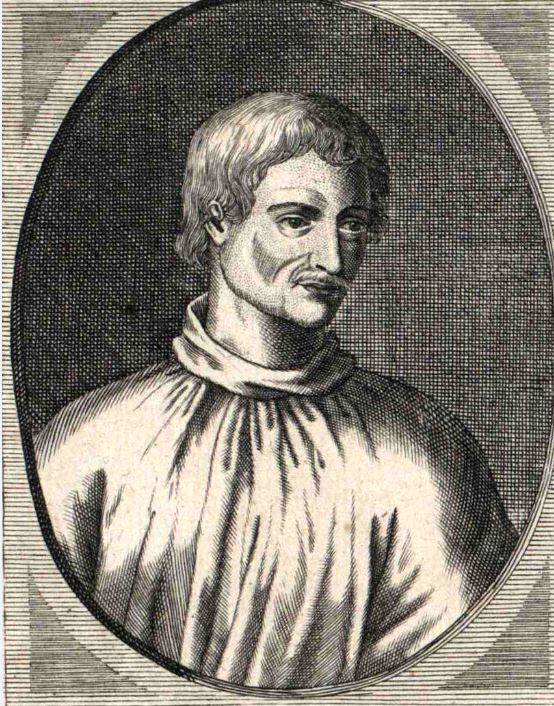
Giordano Bruno, engraving by Johann Georg Mentzel (1677-1743) via Wikimedia Commons
Giordano Bruno, the Italian author and philosopher, was born in 1548 at Nola, near Naples, and baptised Filippo. He joined the Dominican friars of Naples in 1562, taking ‘Giordano’ (Jordan) as his religious name. His adventurous thinking brought him under suspicion of heresy in the increasingly authoritarian atmosphere of the Italian Counter-Reformation, and in 1576 he fled northwards, finding his way via Switzerland to France. He taught for a while in Paris, and in 1583 crossed the Channel to England where, among other things, he became acquainted with Sir Philip Sidney, and lectured on the Copernican theory at Oxford. Inevitably, his name has been associated with that of Shakespeare, but there is no solid evidence to connect them. Continue reading “Collected works of Giordano Bruno”→
The BBKL is the largest ecclesiastical encyclopaedia worldwide, including more than 20.000 entries about deceased personalities of ecclesiastical history – in the area of theology, religion, philosophy, art history and related subjects.
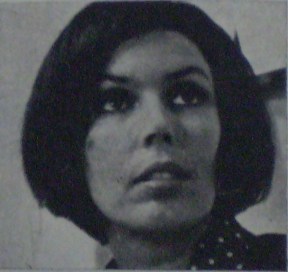
Sara Gallardo (1931-1988). Image from Wikimedia Commons
This is a guest post by Jordana Blejmar (University of Liverpool) and Joanna Page (University of Cambridge).
Sara Gallardo was born in Buenos Aires in 1931 to an aristocratic Catholic family, with illustrious antecedents such as General Bartolomé Mitre, the writer Miguel Cané, the politician and biologist Ángel Gallardo, all key figures in the constitution of the Argentine nation. Her striking and eclectic fiction has been recently ‘rediscovered’, and the University Library has acquired many of her most important works (see here).
Gallardo travelled extensively in Latin America, Europe and Asia, published five novels, one book of short stories, several chronicles and four books for children. Her love for literature started in childhood. She was constantly ill and spent several days in bed reading books that would later influence her writing, including adventure stories, animal fables and classic works by Walter Scott, Rudyard Kipling and others. In 1950 she became a journalist; in 1958, she published her first novel, Enero (UL classmark: 2016.7.388), the story of a humble maid working on an estancia (a ranch), who falls pregnant following a rape and considers having an abortion. Gallardo presents a portrait of the relationship between patrones and employees without sentimentalism or a patronising gaze, and deals sensitively with issues of prejudice and guilt. Continue reading “Sara Gallardo, recently rediscovered Argentine writer”→
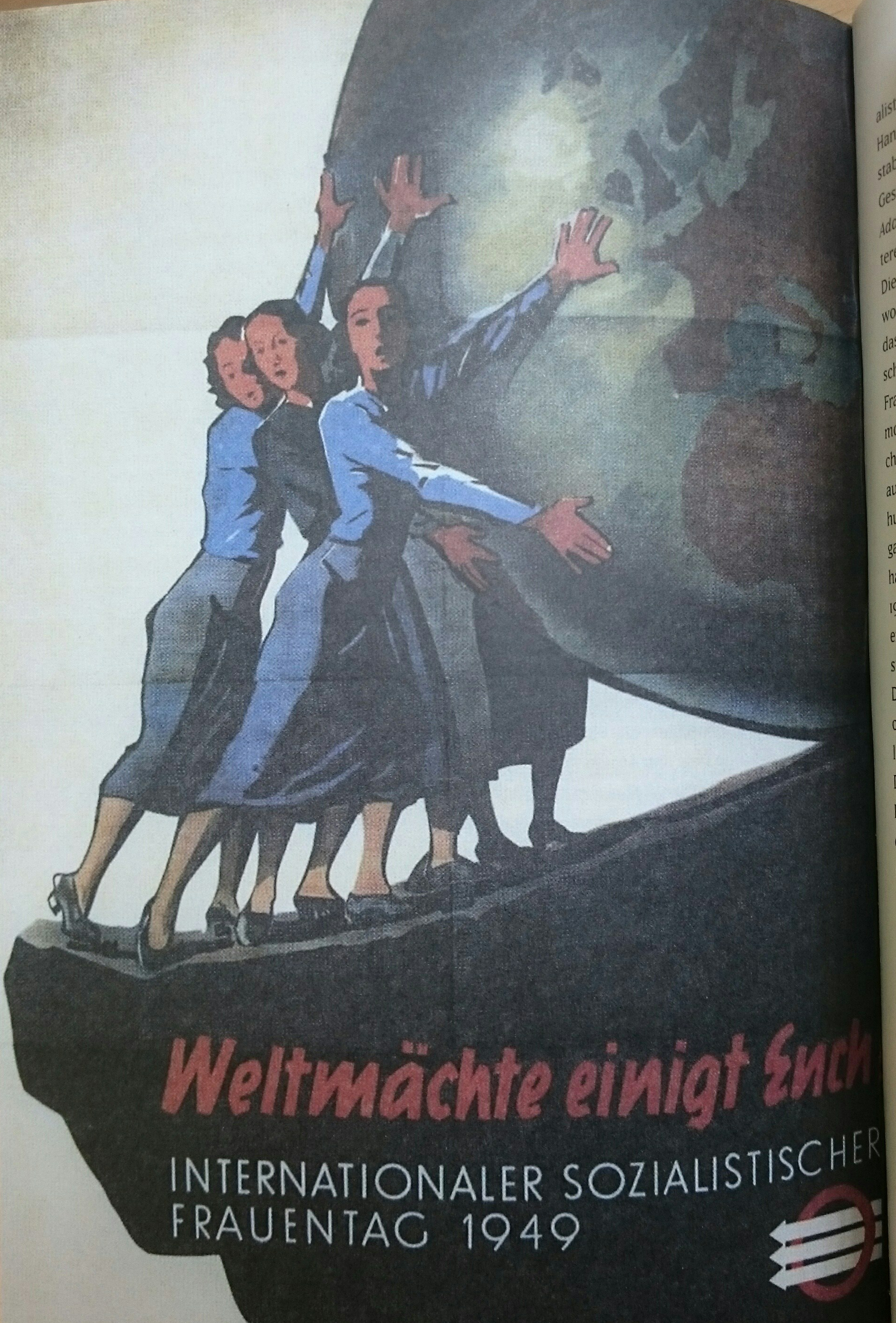
From Frauentag! Erfindung und Karriere einer Tradition
To commemorate International Women’s day today, and to follow up on the huge success of the University Library’s exhibition featuring women’s suffrage posters, in this blogpost we are going to showcase two diverse items that deal with the visual representation of women, their freedom, rights and role in society.
Frauentag! Erfindung und Karriere einer Tradition (C212.c.8465) was published in 2011 to accompany an exhibition entitled Feste. Kämpfe. 100 Jahre Frauentag, held at the Österreichisches Museum für Volkskunde. The exhibition marked 100 years since the first International Women’s Day was observed in 1911, when in Vienna women marched on the Ringstrasse, carrying banners. The exhibition (and book) focused in particular on the history of the women’s movement in Austria and included a whole section on the variety of posters relating to International Women’s Day. Continue reading “International Women’s Day”→





 Languages across Borders