The adventures of Baron Münchhausen, the German nobleman who had the habit of grossly exaggerating his experiences, have been reprinted many times and translated into a wide range of languages. Stories such as that of the stag which the Baron shot with a cherry-stone, and which he afterwards found with a cherry-tree growing out of its forehead, although originally written for adults, have found lasting popularity in revised versions for children.
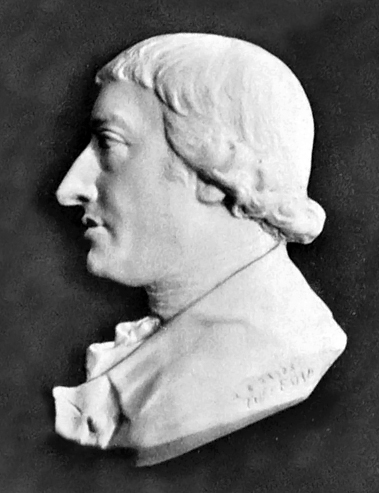
Rudolf Erich Raspe (Image taken from Wikimedia Commons)
Less well known is the collection’s original compiler, Rudolf Erich Raspe. Raspe had been librarian at Kassel from 1767 to 1775, where he had been in charge of the Landgrave’s collection of antique gems and medals. He had to leave Hesse in great haste when he was detected removing and selling valuable items from the collection, and he spent the last nineteen years of his life in England. Continue reading “Cambridge catalogues and librarians get a critical reception”→
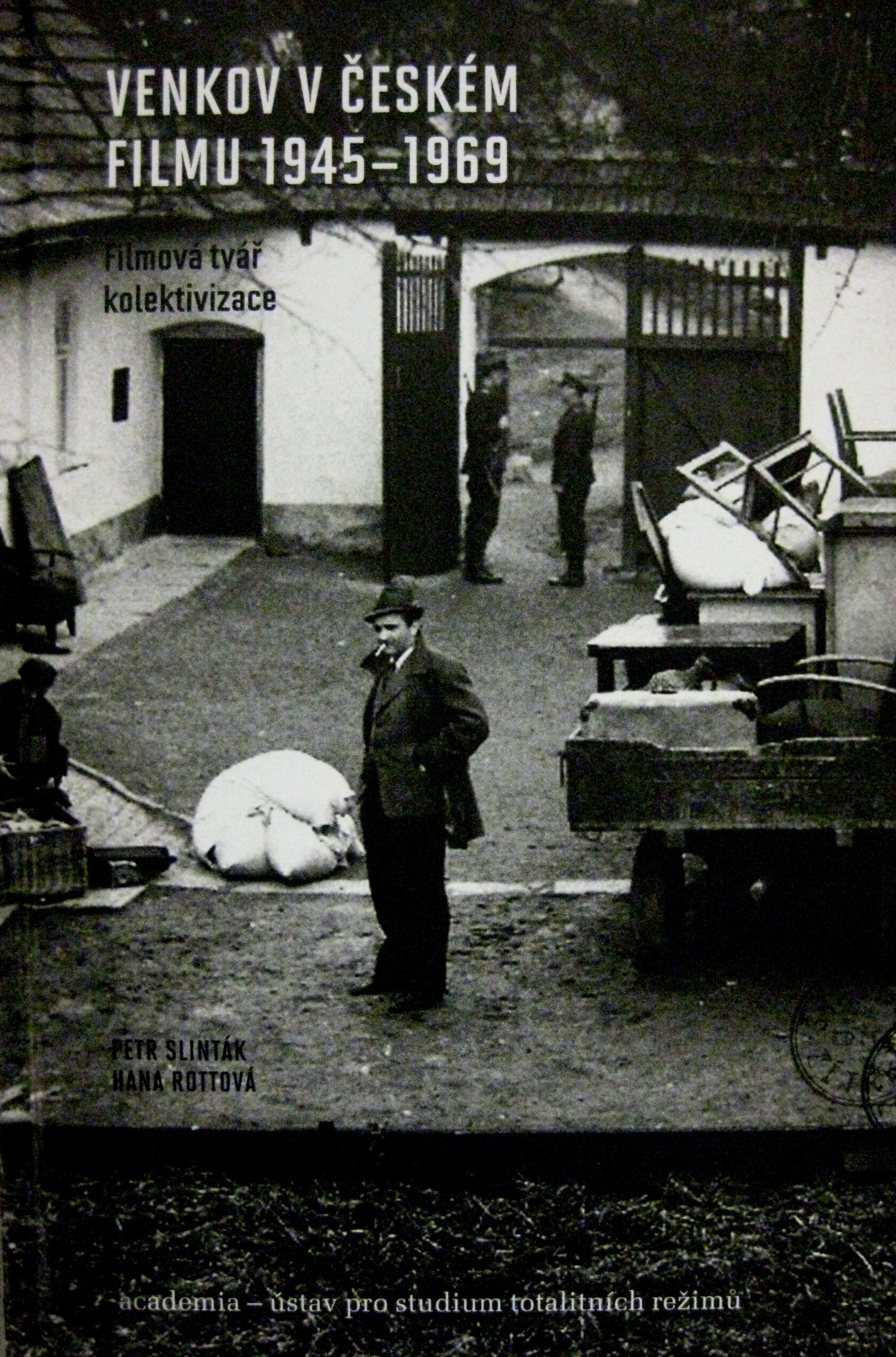
Front cover of Venkov v českém filmu 1945-1969 (The countryside in Czech film 1945-1969; C203.d.9215)
While the University Library no longer actively buys Czech-language material, it has since 2012 been the very fortunate recipient of donations from the library of the Ústav pro Studium Totalitních Režimů (Institute for the Study of Totalitarian Regimes) in Prague. Most address 20th-century Czech history and all are valuable additions to our collections.
The focus of the Library’s Slavonic acquisitions budget is of necessity on material produced in languages currently taught in the University – Russian, Ukrainian, and Polish. In the past, two other East European languages in particular were well catered for; these were Hungarian (we have over 8,000 Hungarian items in the Library) and Czech (over 15,000). When these languages ceased to be taught in the University, the Library also wound down active collection in them. East European material in languages other than Russian, Ukrainian, and Polish, then, is normally received nowadays only through donations. As with all such languages, we are very glad of material which looks at the history or culture of the country in question.
In terms of Czech, we have been very fortunate to become the regular recipients of donations from the Ján Langoš Library of the Ústav pro Studium Totalitních Režimů (USTR; Institute for the Study of Totalitarian Regimes) in Prague. Since 2012, we have very generously been sent several dozen items. The research section of the USTR focuses on the “examination and impartial evaluation” (quotation from their website) of the Czech experience of fascism and Communism, and most publications received by Cambridge concern this area. Almost all feature lengthy bibliographies, and every item is a welcome addition to the catalogue. Continue reading “The Czech twentieth century in new donations : the February 2015 Slavonic item(s) of the month”→
Cambridge University Library is pleased to announce that following the purchase last year of three ebooks packages of Italian-language titles on Casalini Libri’s Torrossa ebooks platform, we have this year supplemented these packages and added the 2015 content. The three collections of scholarly titles: Language and Literature, Cinema and Theatre, and Cultural Studies, have had a total of 153 new titles added. In total there are now 266 ebooks available in full-text from the platform link here and they are also searchable in the LibrarySearch catalogue.
Full-text access is available both on and off campus (using a Raven login). This includes the facility to download, print and copy and paste from the text. Torrossa ebooks can be read on PCs, Apple Macs, laptops, iOS and Android mobile devices, but not on Kindles, Kobos or Nooks.
Please do send your feedback on these packages and the usability of these ebooks by…
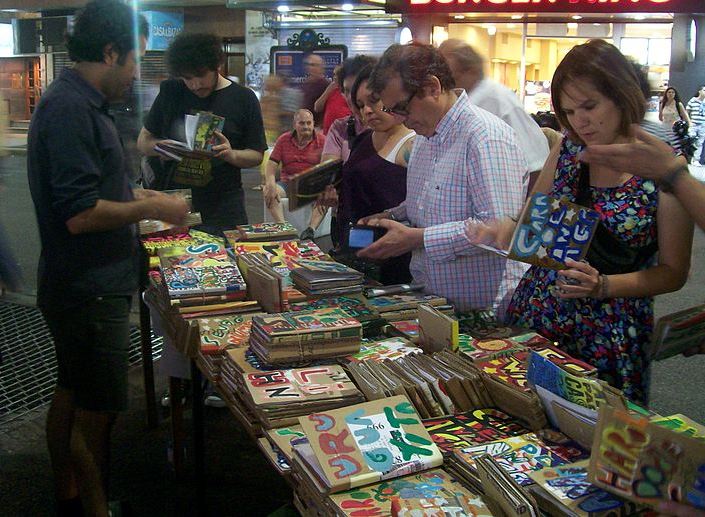
Colourful Eloisa Cartonera’s books at a stall at the “Noche de las Librerías”, 2011. (Image taken from Wikimedia Commons)
When in 2001 Argentina went bankrupt, thousands of families lost everything, or almost everything. Many had to find new ways of survival and many joined the cartoneros force, the street cardboard pickers who, after long hours of walk around the city with their carts, would sell what they had collected to be recycled. In these times of crisis, the country also saw the rise of diverse forms of cooperativism and solidarity within communities (such as barter groups, communitarian urban allotments or the collective running of closed factories).
In this context, two writers and an artist in Buenos Aires (Washington Cucurto, Fernanda Laguna and Javier Barilaro), who would normally self-produce and self-publish their work but couldn’t do so anymore because of the highly increased price of paper, created in 2003 an independent non-lucrative cooperative publishing house: Eloisa Cartonera. Continue reading “Cartoneros”→
Are Germans funny? This question arose in our department recently when a book about German humour crossed my desk. Being German and therefore naturally taking our humour quite seriously, the holdings of the UL dealing with this phenomenon seemed worthwhile investigating – especially with the so called “fifth season” (also known as Karneval or Fasching) in Germany currently at its peak (during Mardi Gras). Contrary to popular belief, it seems that humour is in fact quite important and deeply rooted in German culture. However, German humour is vastly different from British, even though both forms often rely on puns (but, due to linguistic differences, German puns are constructed in a way that makes it often impossible to translate without losing their wit). In Germany, political humour, satire and caricatures are also widespread, and comedy shows and programmes regularly feature on TV. It is therefore no surprise that the UL holds several books dealing with humour in a German context (such as caricatures, satire and the phenomenon of carnival during Germany’s turbulent history).
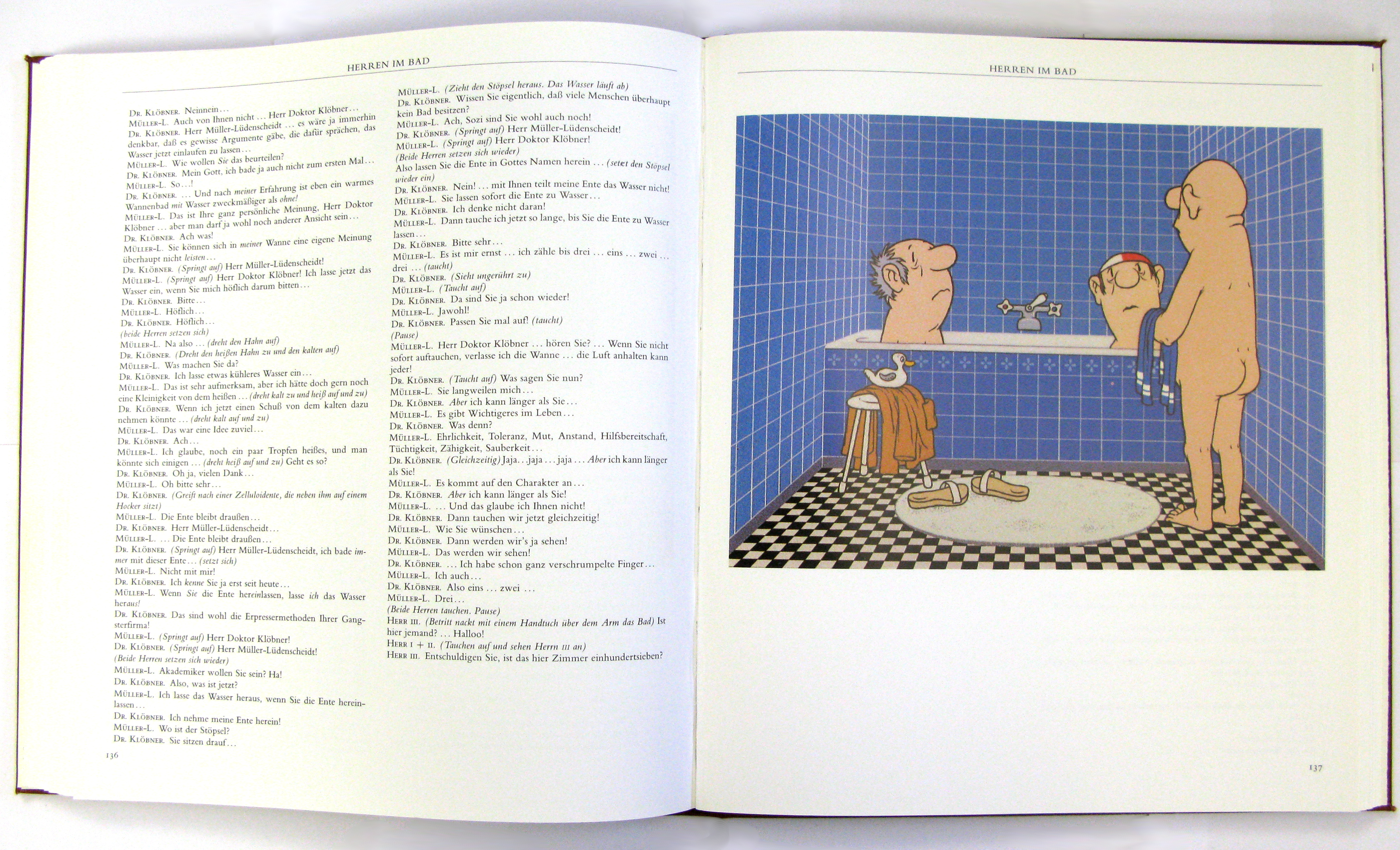
An example of a cartoon by Loriot with full transcript, featured in Loriot (9000.a.4516)
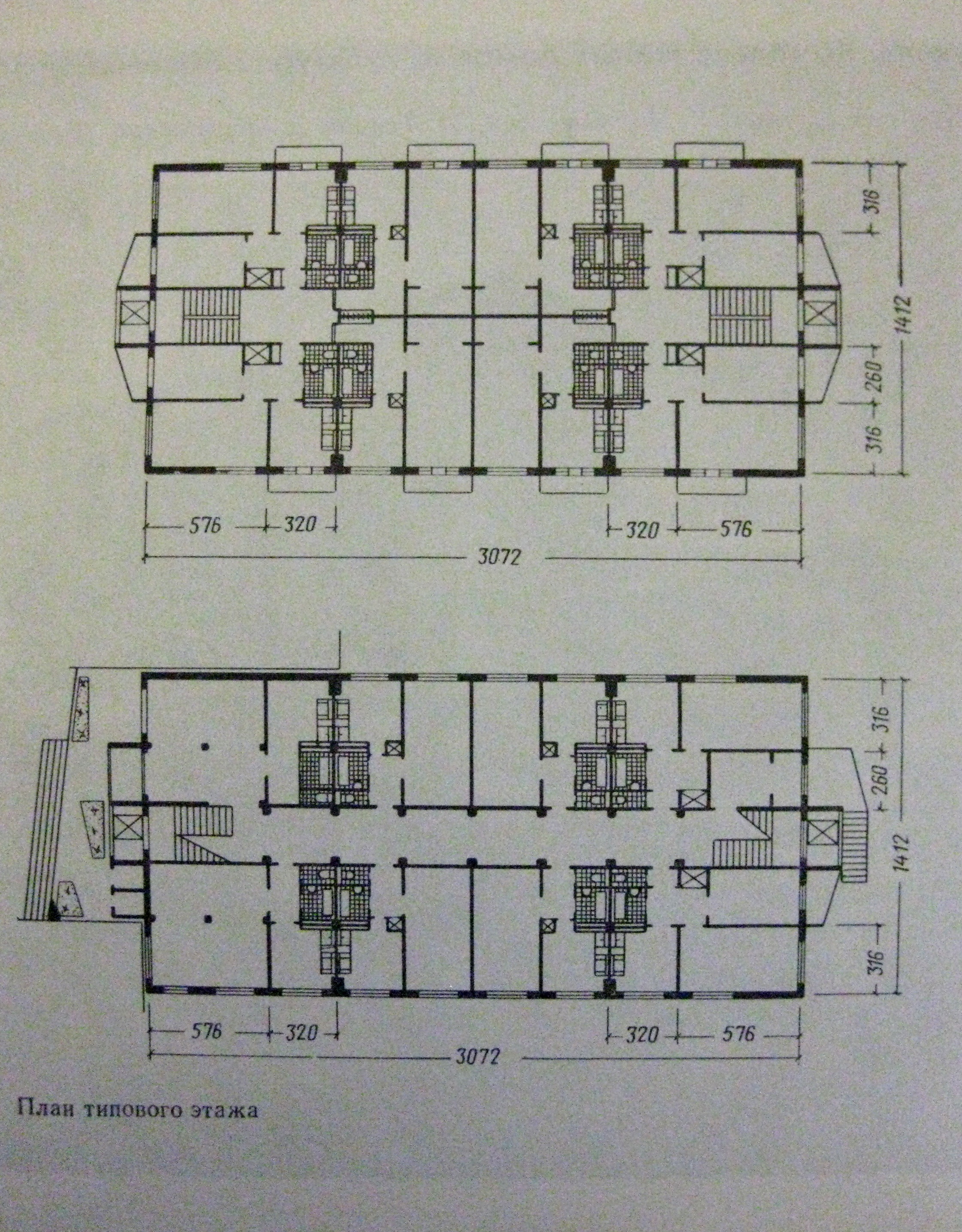
Floor plans for one-room flats in a 1965 block in Minsk. From Sovetskaia arkhitektura shestidesiatykh godov (page 52; CCB.54.189)
The second CamCREES seminar of the term saw Professor Susan Reid of Sheffield University talk about the Soviet building boom of the Khrushchev era and the role of personal improvisation by residents. Using real-life examples, Professor Reid explored the complex relationship between the state programme and the craft employed by inhabitants through choice or necessity. The late 1950s and 1960s saw millions of Soviet citizens move into new housing. Construction was undertaken on a huge scale made possible by partial pre-fabrication. Visitors to the former Soviet Union will doubtless have seen panelled khrushchevki, the nickname for the blocks of flats introduced under Khrushev. Pre-made concrete panels allowed the houses to rise quickly but, as Professor Reid explained, true modern efficiency was not always achieved. Interviews conducted through the speaker’s ‘Everyday aesthetics in the modern Soviet flat’ research project in the 2000s with Soviet novosely (inhabitants of new-builds) showed that the official building work itself frequently depended on the practical input of future residents themselves, and that internal work was often unfinished, with residents left to complete installation themselves. Nevertheless, the interviewees almost all recalled the genuine excitement with which they took possession; for most, they were moving into their own flat for the first time. Continue reading “Makeshift modernity : DIY, craft and the virtuous homemaker in new Soviet housing of the 1960s”→
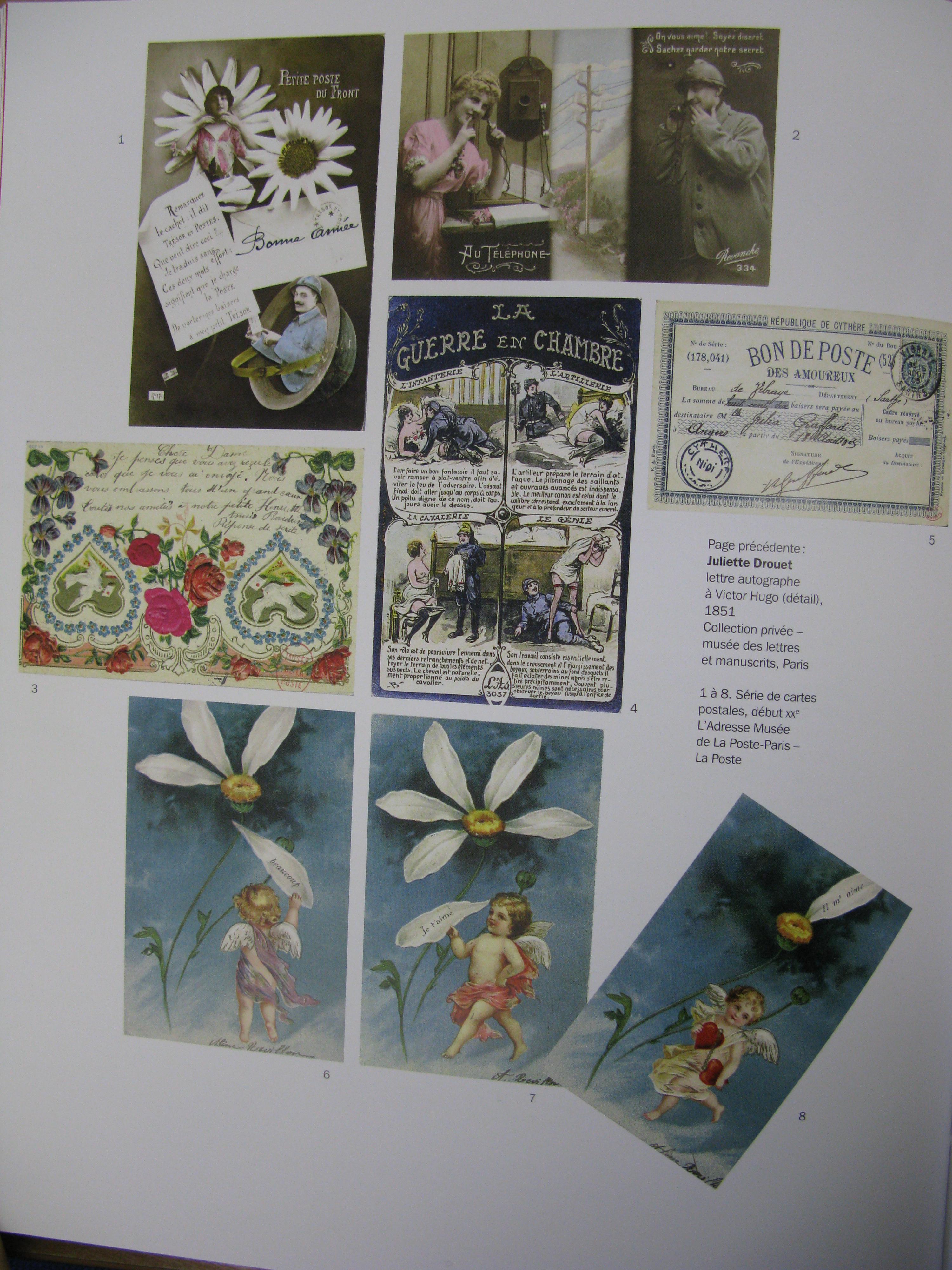
A page from L’art d’aimer de la séduction à la volupté (S950.a.201.1093)
Saint Valentine’s Day, or the feast of Valentine, has its origins in the celebration of the life of Saint Valentine (Valentinius), a third century Roman saint. The feast day (February 14) is now, of course, related to the tradition of courtly love which has its origins in the middle ages. The history of Saint Valentine is uncertain, among the UL’s earliest works including a history of Saint Valentine is: Opus eruditissimum diui Irenaei episcopi lugdunensis in quinque libros digestum, in quibus mire retegit & confutat ueterum haereseon impias ac portentosas opiniones, ex uetustissimorum codicum collatione quantum licuit emendatum opera Des. Erasmi Roterodami, ac nunc eiusdem opera denuo recognitum, correctis ijs quae prius suffugerant (3.10.29).
Constantinus Lascaris (1434–1501), Erotemata – Inc.5.B.3.134[1800]The 500th anniversary of Aldus Manutius’s death on 6 February 1515 (Incunabula Project Blog) is celebrated this year by libraries and institutions all over the world. Cambridge University Library joins in with a small exhibition of books published by Manutius between 1495 and 1515 (plus a couple of others) on display in the library Entrance Hall, from Monday 6 February to Saturday 7 March 2015, with an enlarged online version available at https://exhibitions.lib.cam.ac.uk/manutius.
Drawn from the library holdings of incunabula and early sixteenth-century Aldine editions, the exhibition celebrates Aldus’s achievements as the most successful editor, printer and businessman in Renaissance Italy. The individual history of some of these books also illustrates his importance as a highly respected humanist, scholar, linguistic and grammarian who could converse at equal level with humanists of the stature of Pietro Bembo and Erasmus of Rotterdam.
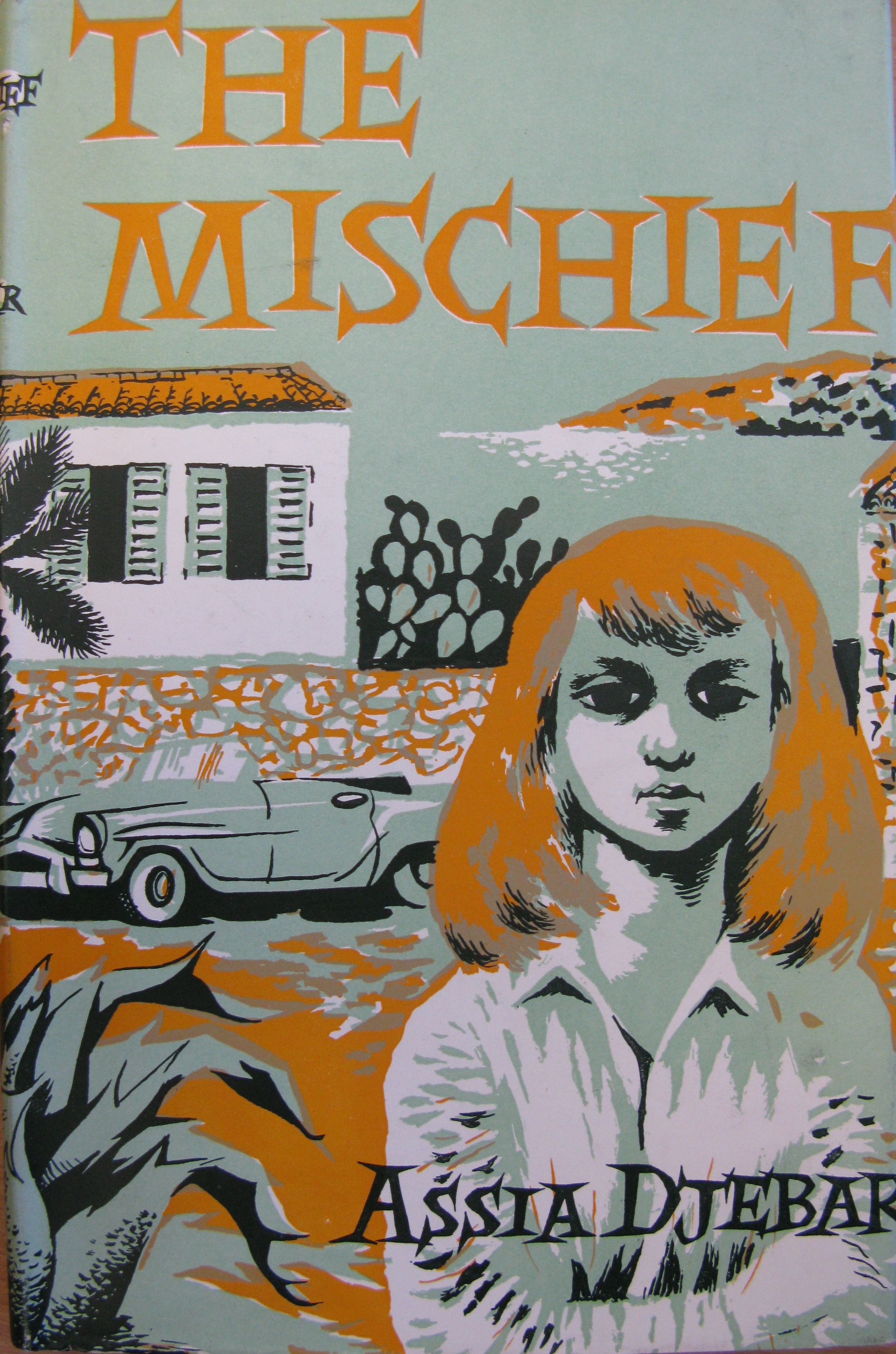
One of the most fascinating figures in French-Algerian literary history of the last 50 years, Assia Djebar, died on February 6 2015. Fatma-Zohra Imalayène, under the pseudonym of Assia Djebar, wrote frequently on feminist and anti-colonial themes. Born in 1936 in Algeria, Djebar moved to Paris in 1955, and wrote her first book (La soif, translated in English as The mischief) in 1957. After the Algerian War, she contributed to the journal El Moudjahid, about which we have previously written. She then wrote Les Impatients (1959), Les enfants du nouveau monde (1962) and Les alouettes naïves (1967). These were followed by L’amour, la fantasia (1985), Ombre Sultane (1987), Loin de Médine (1991) and Vaste est la prison (1995).
In 1999 she wrote her doctoral thesis, Le roman maghrébin francophone, entre les langues et les cultures : 40 ans d’un parcours : Assia Djebar 1957-1997, as well as her Ces voix qui m’assiègent : en marge de ma francophonie (9008.c.1435). While her works were translated widely into more than twenty languages, it wasn’t until 2014 that her 2007 novel Nulle part dans la maison de mon père (C203.c.526) became her first to be translated into Arabic. Continue reading “Assia Djebar, 1936-2015”→
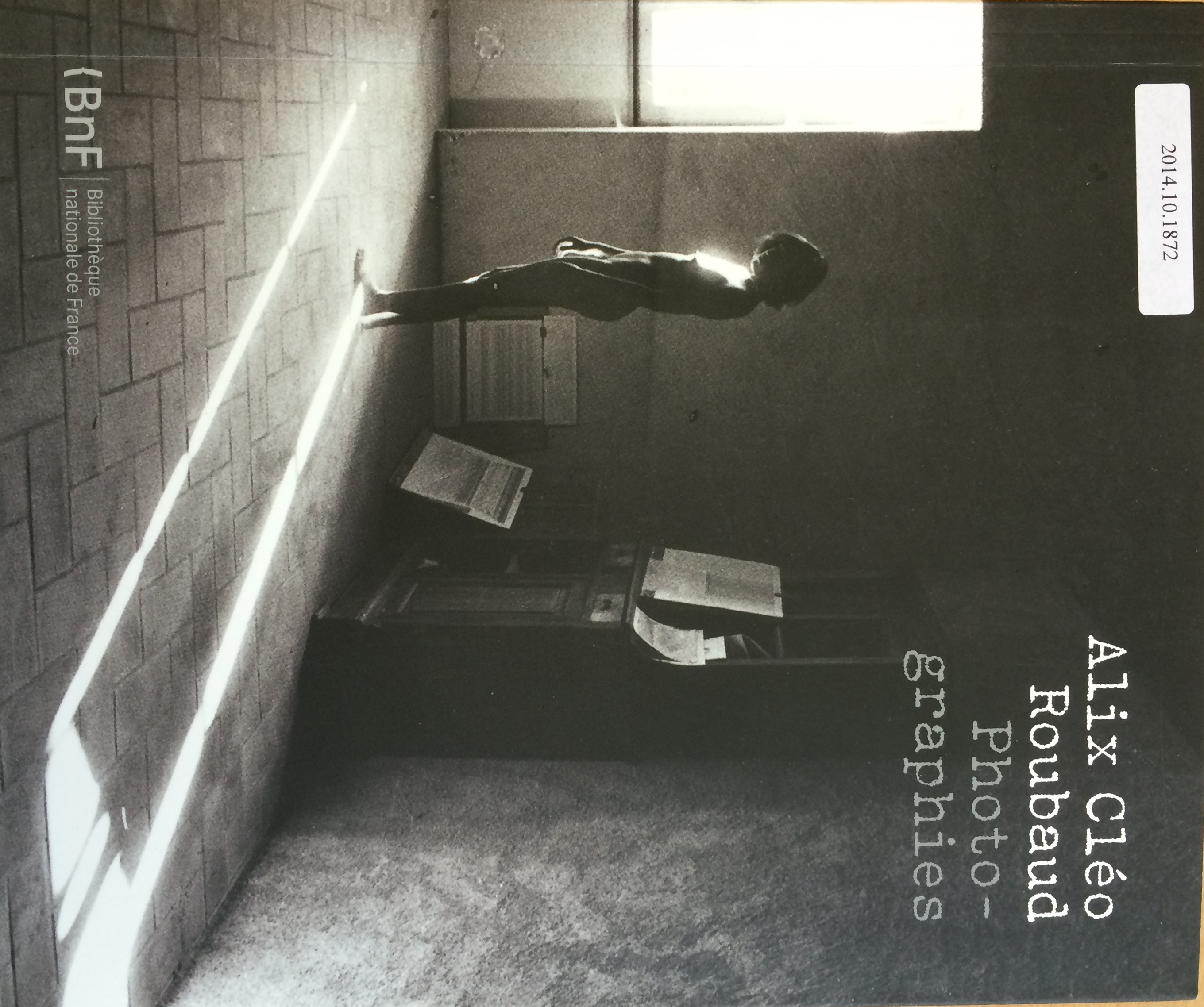
The photographer Alix Cléo Roubaud is the subject of an exhibition that’s just closed at the Bibliothèque Nationale de France (held from 28 October, 2014-1 February, 2015). The UL acquired the catalogue to this exhibition at the end of December (Alix Cléo Roubaud : photographies : quinze minutes la nuit au rythme de la respiration / Alix Cléo Roubaud ; sous la direction d’Anne Biroleau-Lemagny, d’Hélène Giannecchini et de Dominique Versavel – 2014.10.1872), which affords us a good opportunity to talk about Cléo Roubaud in particular, and more generally about exhibition catalogues in our collections in the UL.
Alix Cléo Roubaud (1952-1983) was a French-Canadian photographer. In June 1980, she married the poet Jacques Roubaud in Cambridge, and the two spent much time in the city. She had studied Wittgenstein for an unfinished philosophy doctorate, and his connection to the city provided inspiration for some of her photographs, while another series was taken in the University Arms Hotel in Cambridge.



 Languages across Borders