Listening out : Cold War radio and the Soviet audience + A colourful past : the January 2015 Slavonic item of the month  

This post combines the bibliographical notes for 2015’s first CamCREES seminar – Dr Kristin Roth-Ey’s talk on non-Soviet radio (and particularly Seva Novgorodsev’s BBC programmes) broadcast into the USSR – with January’s Slavonic item of the month, Namedni, illustrated guides to international and domestic developments, in various fields, particularly significant to the 1946-2010 Soviet/Russian population.
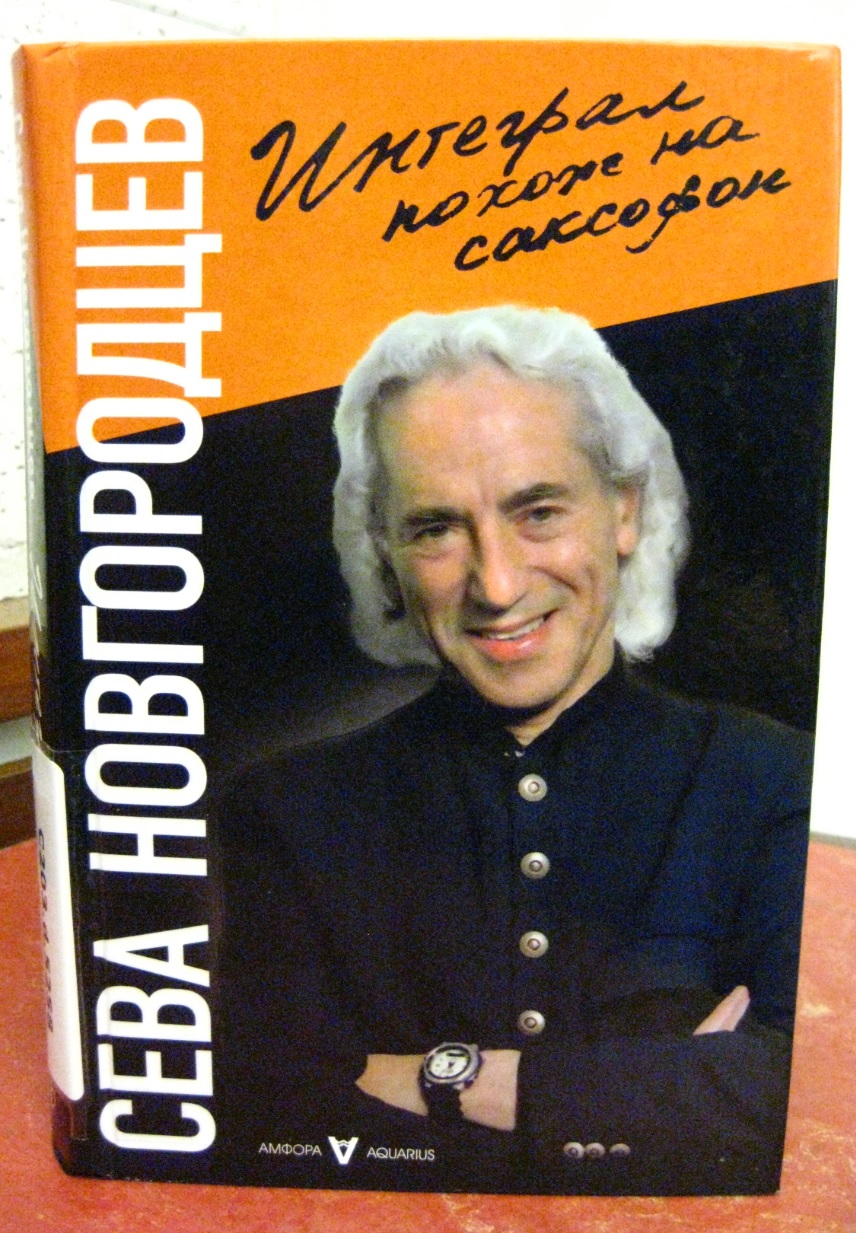
Novgorodsev's autobiography,
Novgorodsev’s autobiography covering his pre-emigration years (C203.d.5258)

This term, the CamCREES seminars are linked by the theme of Russian and Soviet mass culture.  In the first seminar of 2015, Dr Roth-Ey of UCL SSEES spoke about Soviet audiences of targeted non-Soviet radio programmes.  Listening to such broadcasts was not straightforward – frequencies were sometimes officially jammed, for example (examples of jamming noises were played from http://radiojamming.info/), and coverage was unreliable.

Of the many stations and programmes which broadcast into the Soviet Union, Dr Roth-Ey focused in particular on the BBC shows of the Russian émigré Seva Novgorodsev (his preferred spelling, which I use throughout this post; more standard transliteration from the Russian would be Novgorodtsev).  These are known mainly by the name Rok-posevy, one of various titles of his broadcast over the years.  While national stations played “approved” music, Novgorodsev introduced his vast audiences to all kinds of groups from the West.  Another major part of the appeal of Rok-posevy was the presenter himself.  Soviet presenters were trained to be uniform in their calm and contained diction; Novgorodsev capitalised on being able to convey his personality.  His was a much more personal connection with his audience, and he standardly read fan mail received from the USSR out on air and played requests. Continue reading “Listening out : Cold War radio and the Soviet audience + A colourful past : the January 2015 Slavonic item of the month  “
Macau: city of commerce and culture

IMG_1155
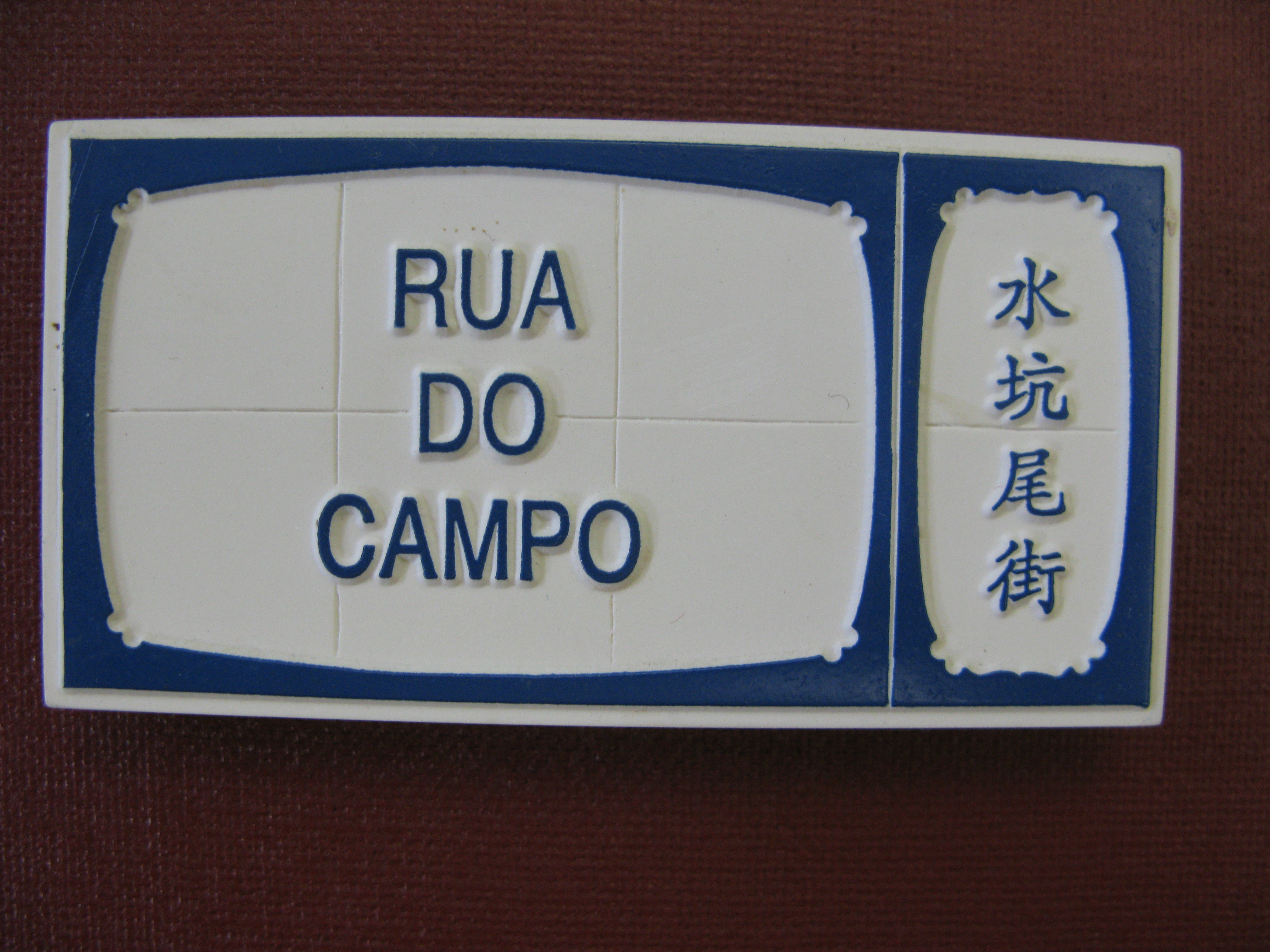
Street signs in Macau (picture taken by Joanne Koehler).

Fifteen years have now passed since Macau became a Special Administrative Region of China. This small, densely populated city was the first European colony established in East Asia, and reverted to Chinese sovereignty on December 31, 1999, after 400 years of Portuguese rule. In 1513, the explorer Jorge Álvares became the first European to reach China by sea – as documented in Jorge Álvares, o primeiro Português que foi à China (1997.10.460) – and traders from his home country of Portugal began to settle in Macau during the 1550s.

Continue reading “Macau: city of commerce and culture”

The Skizzenbuch

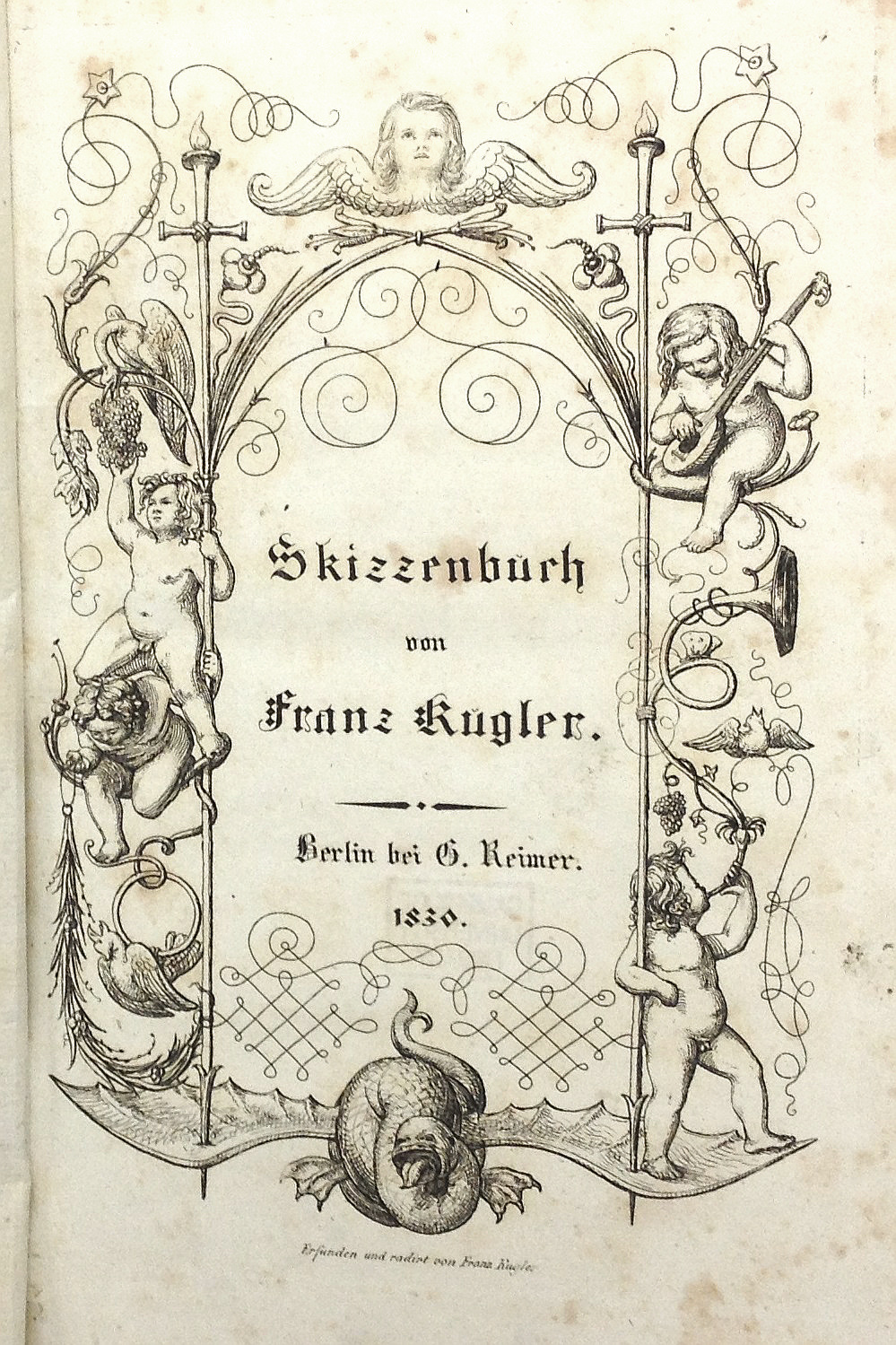
image_3The Skizzenbuch, a delightful early work by Franz Kugler (1808-1858), has recently been added to the University Library’s collections (8002.c.43). Franz Kugler is mainly known for his contributions to art history. His main work the Handbuch der Kunstgeschichte (Acton.c.50.506), first published in 1842, is one of the earliest art survey texts with a global perspective. Kugler was a key figure in the development of art history as an academic discipline, and one of the first persons to hold a chair in art history at a university.

The Skizzenbuch however, published in 1830 by G. Reimer in Berlin when Kugler was only twenty-two, demonstrates his talents as a poet, composer and artist.

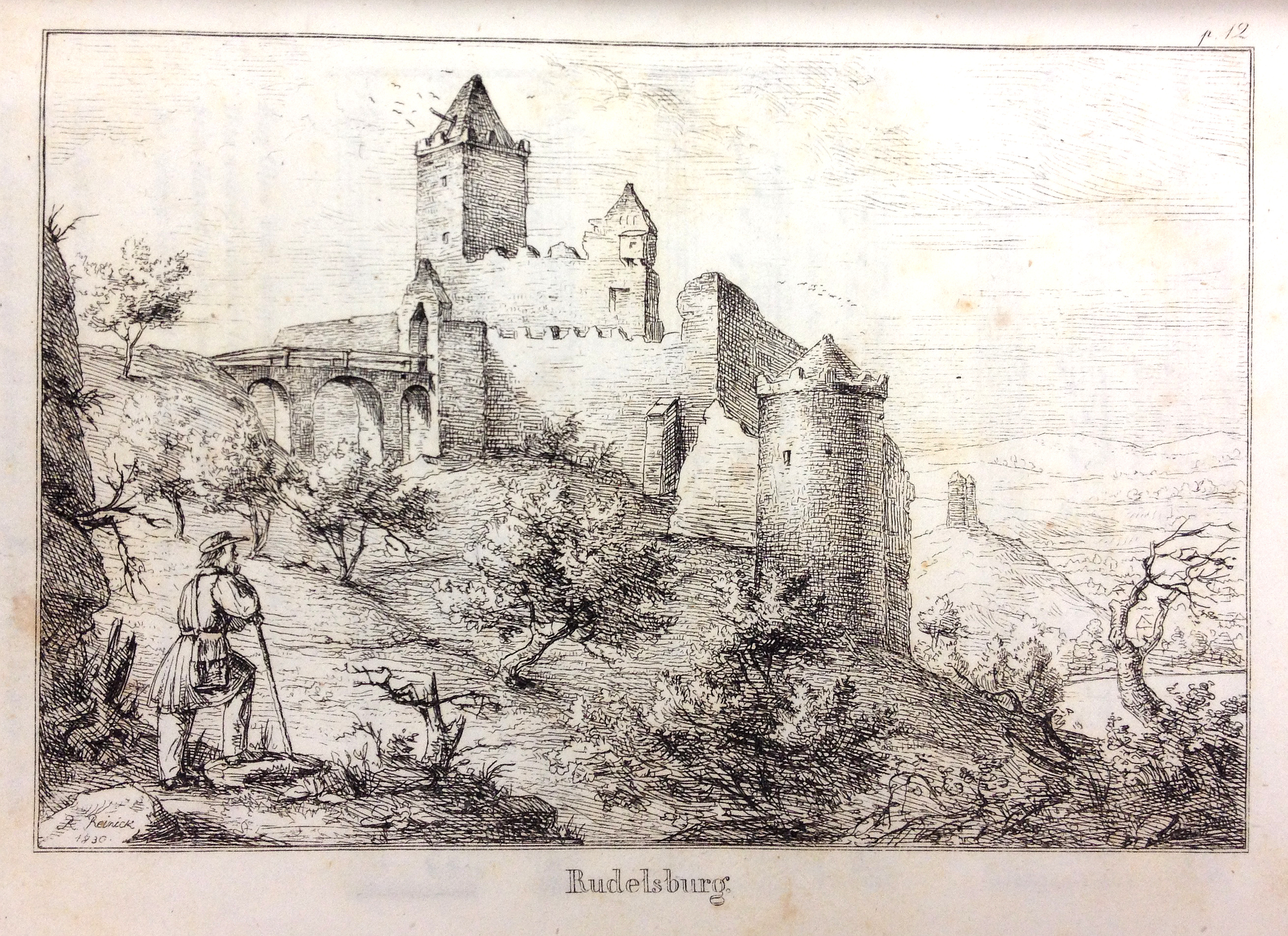
rudelsburgIn the Skizzenbuch Kugler published a collection of his poems, a few of which he set to music; one ‘Rudelsburg: an der Saale hellem Strande …’ became a popular song. In the Skizzenbuch this poem is accompanied by an engraving by Kugler’s artist friend Robert Reinick. Kugler’s poems are mainly observations on his travels, recalling people and landscapes he had encountered. Some describe paintings he encountered, some are addressed to fellow artists such as Schinkel or members of the young artists’ circle in Berlin, others deal with architecture and buildings. There is also a drinking song for students. Kugler also set to music poems by Ludwig Uhland, Heinrich Heine, Clemens Brentano, Wilhelm Wackernagel and the dedicatee Adelbert von Chamisso. Continue reading “The Skizzenbuch”

Charlie hebdo

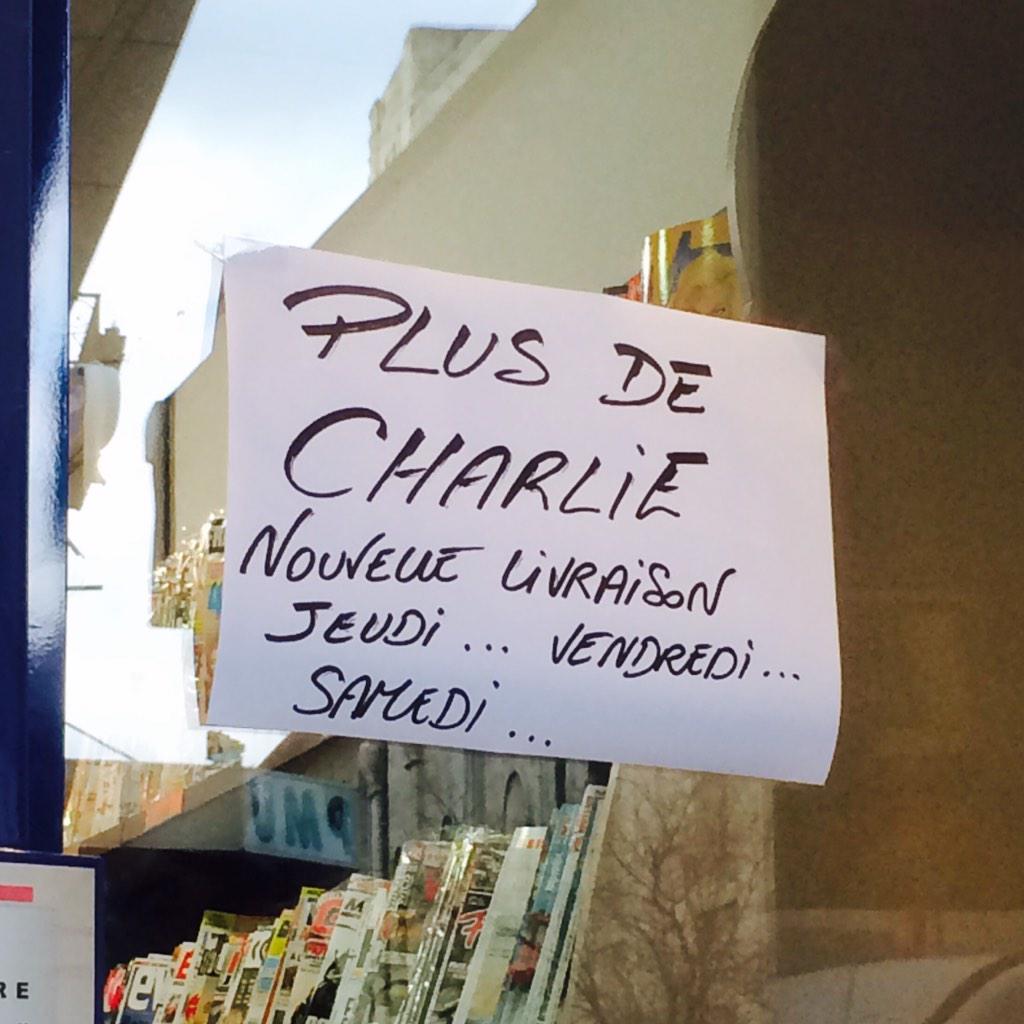
Plus de Charlie -  NRJ Avignon 98.2 on Twitter (@NRJAvignon)
Plus de Charlie – NRJ Avignon 98.2 on Twitter (@NRJAvignon)

The University Library does not have a subscription to Charlie hebdo, although we do have a history of the magazine from 1969-1982 which stands at 735:45.c.200.287. We also have a few items with cartoons by Wolinski and/or Cabu, who both lost their lives in the terrorist attack on January 7th (2007.8.5590, 2011.10.645, 2013.9.2346). We were of course keen to get hold of a copy of the so-called “survivors” edition published on Wednesday January 14th. A former member of the European Collections and Cataloguing team, now resident in Paris, volunteered straightaway to get hold of a copy for me, but then discovered that this was by no means straightforward. On Wednesday morning she could find no copies in central Paris. She then phoned her local newsagent in the Paris suburbs, hoping she might have more success. He laughed and told her that he had had 100 people waiting outside at 6.30 am that morning, and that he had only managed to secure 40 copies. Continue reading “Charlie hebdo”

German for French soldiers stationed in Strasbourg

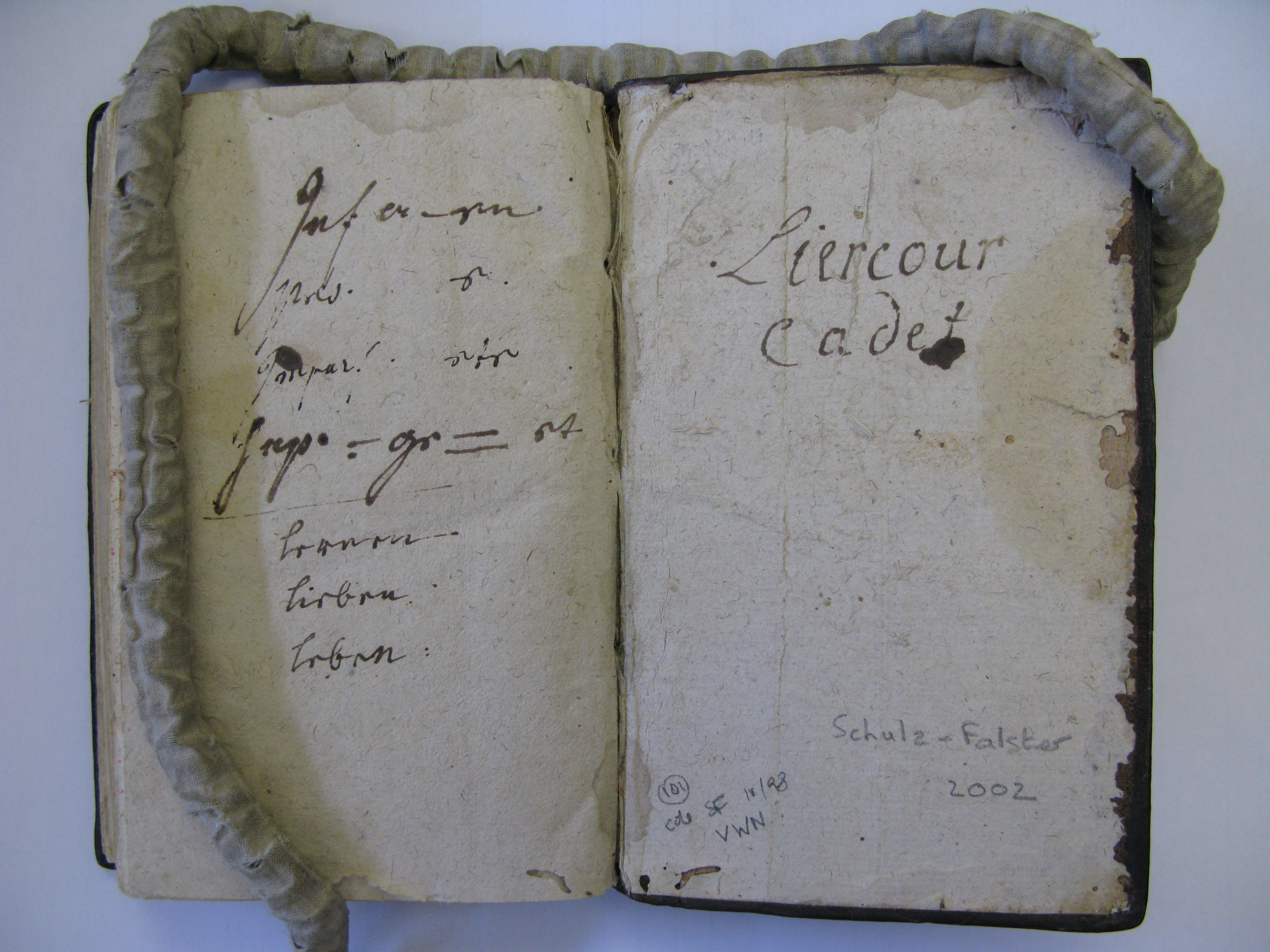
Recently added to the catalogue is a charming introduction to the German language for soldiers stationed at the Citadelle of Strasbourg. Published in 1731, this anonymous work, entitled L’art de bien parler allemand : qui comprend tout ce qui est necessaire pour apprendre facilement & en peu de tems cette langue, à l’usage de messieurs les cadets gentils hommes de la Citadelle de Strasbourg, stands at 7001.d.230. It is clearly a very rare item –we have been able to locate no other copies in the United Kingdom or the United States, and only one in Germany, in the Badische Landesbibliothek Karlsruhe. The catalogue collectif de France gives a further three locations. The Cambridge copy contains a few manuscript notes, and the contemporary ownership inscription of a young soldier, “Liercour, cadet”, on the back cover.

En joue
En joue

The work begins with a brief general introduction to grammar, which is followed by German phonetics, German grammar, declination, regular and irregular verbs etc. The main section contains extensive topical bi-lingual word lists and glossaries. Terms for food and drink, with descriptions of the separate parts of the meal – starters, main courses, desserts – are explained in detail, and are clearly aimed at a sophisticated French audience. The word lists which follow cover parts of the human body, illnesses, clothing, politics, history, fortification and nature. A special section is of course devoted to war and military vocabulary, ranging from “pressing a soldier into service” to “fighting battles” and “standing guard”.

Continue reading “German for French soldiers stationed in Strasbourg”

The Augsburg Confession in the Acton library

In 1530 one of the most important documents for the Lutheran Reformation was presented at the Diet of Augsburg: the Augsburg Confession. In an attempt to calm the tension surrounding the rise of Protestantism, Charles V had called upon the princes and rulers in the Holy Roman Empire to declare their religious convictions in order to settle the conflict. Since Martin Luther himself could not risk attending the Diet in person as he was banned, it was Philipp Melanchthon who led the group of theologians presenting the Confession which was a declaration of the Protestant faith. The UL holds well over 100 books about the Augsburg Confession. Most of these are contemporary academic works, but we also have antiquarian holdings, several of which are part of the Acton Library.

image_1
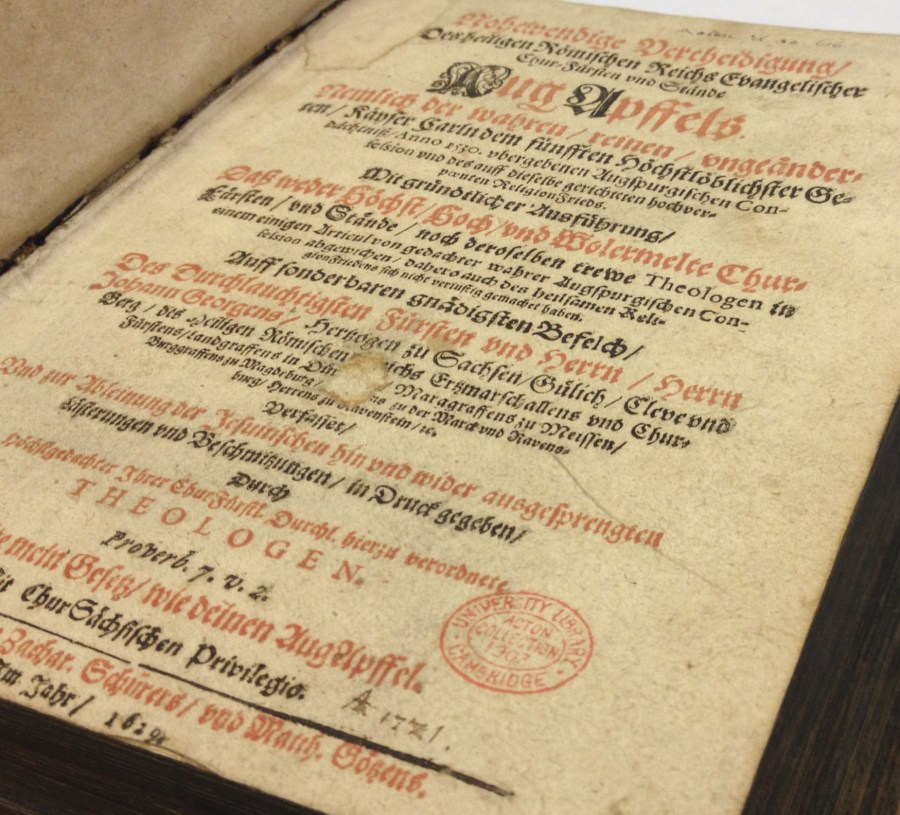
item no.1 in Acton.d.34.616

The original Latin text of the Augsburg confession can be found in Acton.d.34.616. The first item in this volume, Nohtwendige Vertheidigung des Heiligen Römischen Reichs evangelischer Chur-Fürsten und Stände Aug Apffels is a defence of the Augsburg Confession and the Religious Peace of Augsburg by Matthias Hoë von Hoënegg, written in 1629 at the command of the dukes of Saxony, Gülich, Cleve and Berg. He was a strict Lutheran, more opposed to other forms of Protestantism than to Catholicism, but wrote this work against “jesuitic blasphemy”. The volume also includes a parallel translation into German (pages 38-149) which is then immediately followed by the “necessary defence” of the Confession. The same volume also includes a text by Andreas Fabricius who argues against the Augsburg Confession in Brill auff den Evangelischen Augapffel : Das ist ; Richtige, bestendige Ableynung, vnd in Gottes Wort wolgegründte Refutation, deren im Augapffel Augspurgischer Confession, samptlicher gesetzter Artickul (item no. 2 in Acton.d.34.616). Continue reading “The Augsburg Confession in the Acton library”

Glimpses into early twentieth century Italy

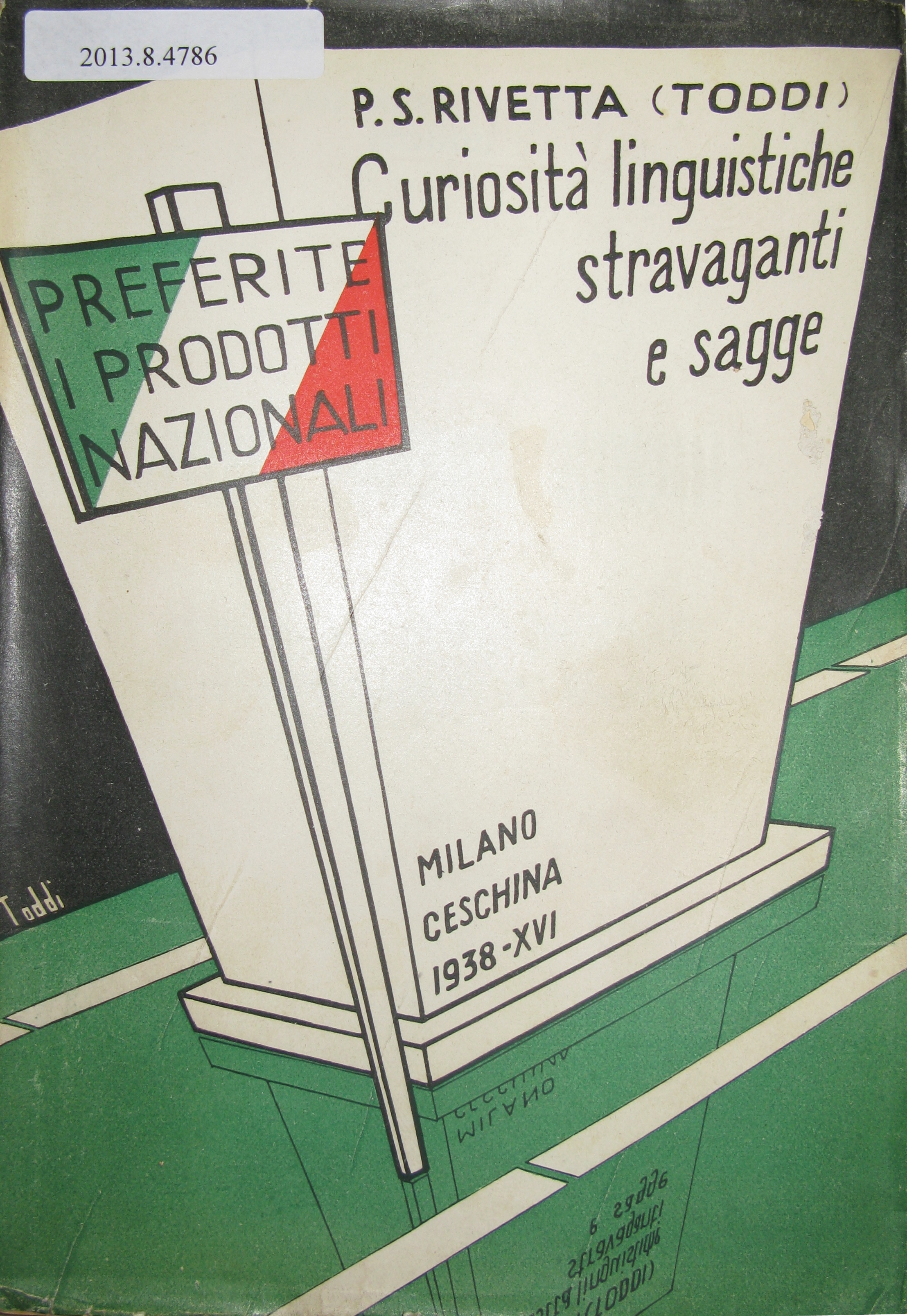
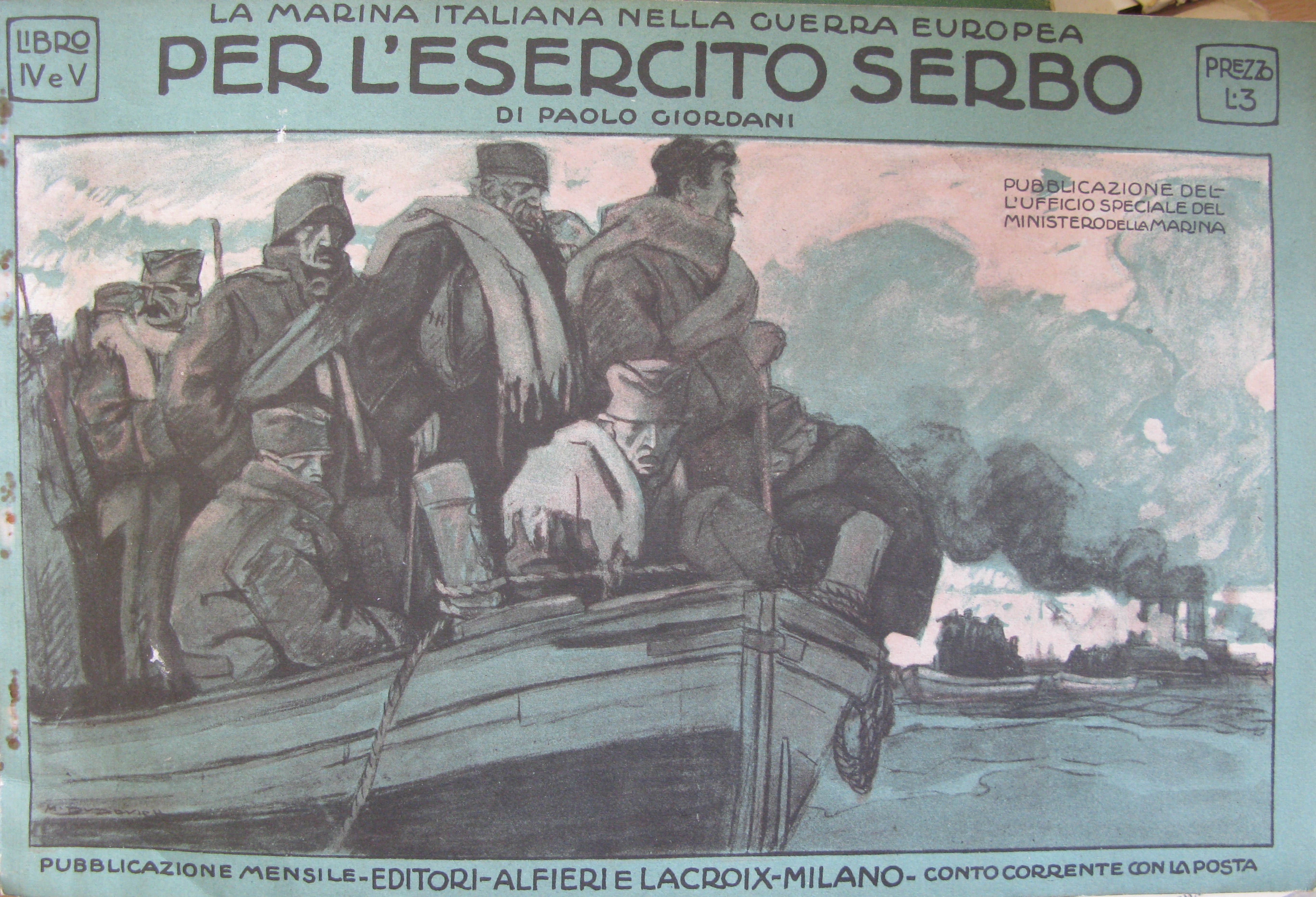
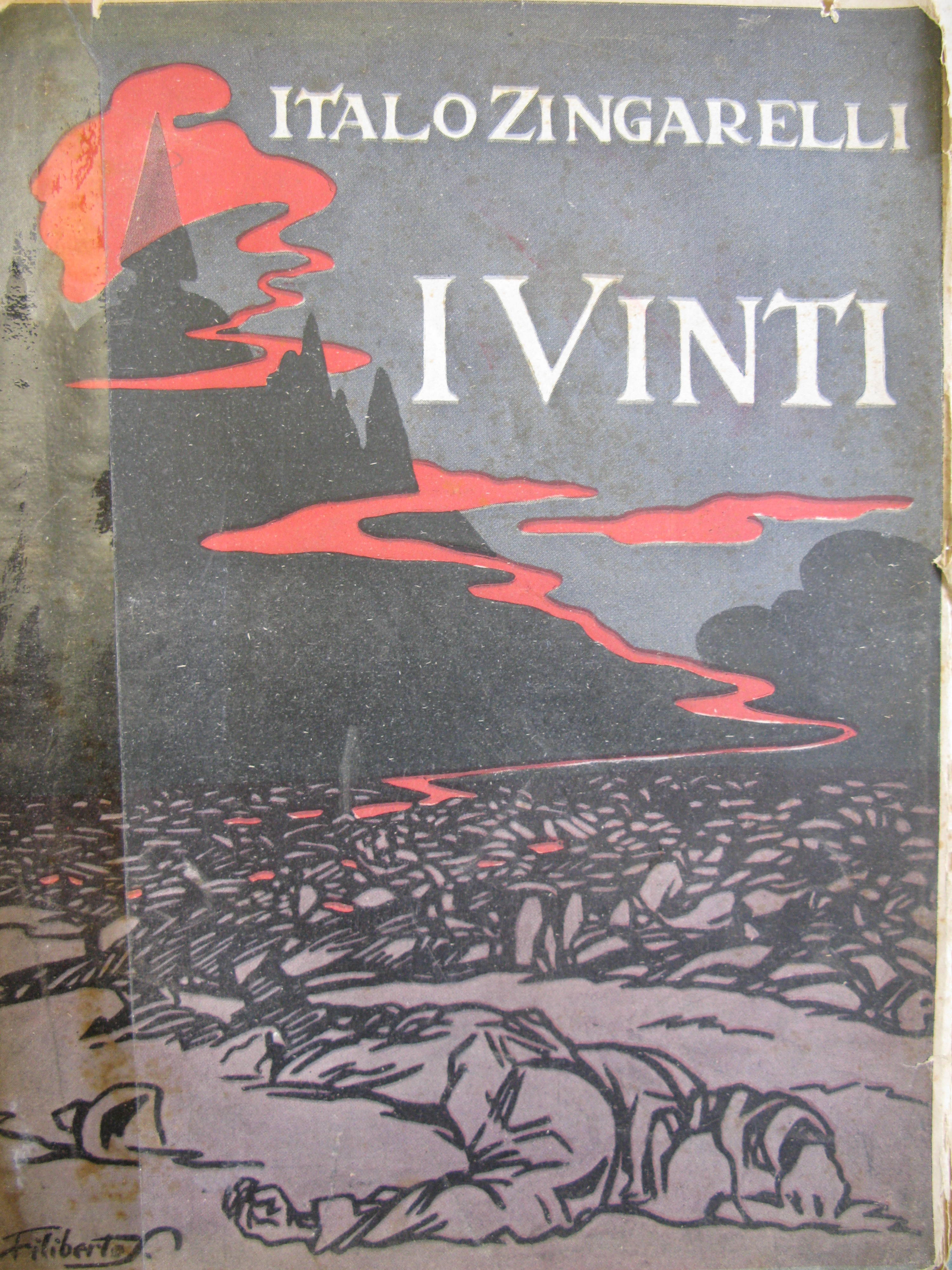
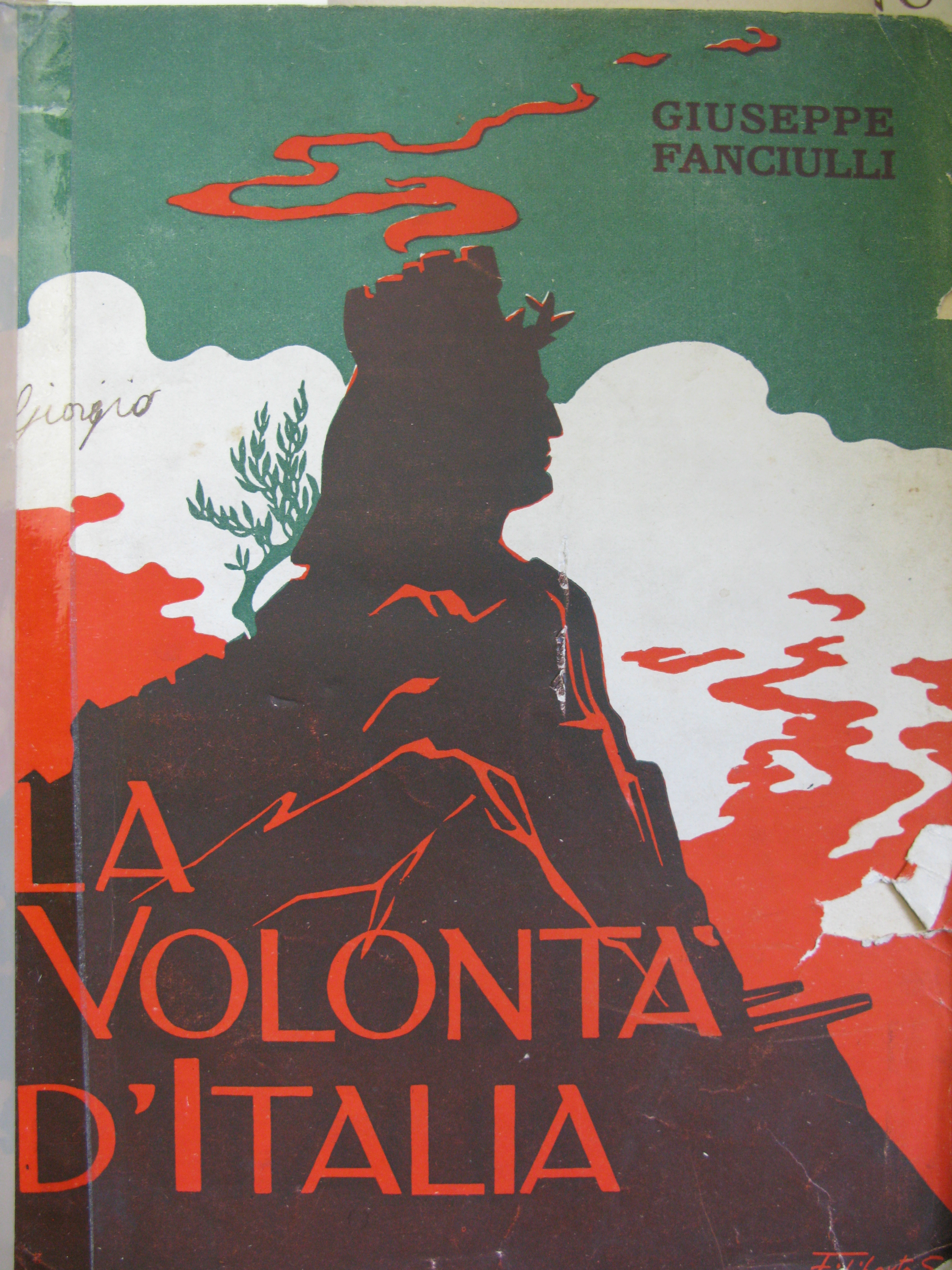
Some months ago we were fortunate to receive in donation a large number of items that had belonged to the eminent historian of modern Italy, Denis Mack Smith. These were given initially to the Bodleian, but then generously passed on to us, and include a wealth of material about Italy in the early part of the twentieth century. There are works on Italy’s role in the First World War, military and naval Italian history, Italy between the wars, the rise of Fascism, etc.


Some of these are in a fascinating series published by Mondadori of Milan, entitled: Collezione italiana di diari, memorie, studi e documenti per servire alla storia della guerra del mondo. These titles deal specifically with the First World War. There are first-hand accounts and diaries, such as Gen. Eugenio De Rossi’s La vita di un ufficiale italiano sino alla Guerra (2013.8.4788); and Gen. Emilio De Bonos’s La guerra come e dove l’ho vista e combattuta io (2013.8.6007). Others in the series describe campaigns, for example Gen. Pompilio Schiarini on L’armata del Trentino (1915-1919) (2013.8.4757); and aspects of the war such as aerial operations: Le ali della Guerra, by Generale Giorgio Bompiani and Maggiore Clemente Prepositi (2013.8.4783), or naval operations: La Grande Guerra sul mare : fatti, insegnamenti, previsioni, by Ettore Bravetta (2013.9.4291-4292).
Continue reading “Glimpses into early twentieth century Italy”